Is Benjamin Moore White Dove Worth It in 2026?
Choosing the right white paint has become one of the most confusing decisions in home design today. Among hundreds of options, one color continues to dominate searches and real-world renovations in 2026: Benjamin Moore White Dove (OC-17).
Homeowners don’t just want a “white paint anymore”—they want a color that works across lighting conditions, kitchen cabinets, trims, and open-concept spaces without looking too stark or too yellow.
That’s why White Dove is constantly compared with popular alternatives like Swiss Coffee, Sherwin-Williams Alabaster, and even Sherwin-Williams equivalents.
In this updated expert guide, you’ll learn everything about White Dove undertones, real lighting behavior, kitchen cabinet performance, and direct comparisons with its biggest competitors so you can confidently decide if it’s right for your home.
What Is Benjamin Moore White Dove (OC-17)?
Benjamin Moore White Dove is a soft, warm off-white paint color from Benjamin Moore’s Off-White Collection.
It is not a pure white, nor is it a heavy cream. Instead, it sits in a balanced space that makes it one of the most versatile whites in interior design.
With an LRV of around 83, White Dove reflects plenty of light while still maintaining softness. This is why it does not feel harsh or clinical, even in bright rooms.
Unlike cooler whites, White Dove is designed for real homes where lighting is mixed, furniture tones vary, and surfaces are not perfect. That balance is the main reason it remains a top-selling white paint even years after its release.
Benjamin Moore White Dove Undertones (Most Important Factor)
One of the most searched questions is about Benjamin Moore White Dove undertones, and this is where most people either succeed or regret their paint choice.
White Dove has a soft blend of:
- Gentle creamy warmth
- Subtle gray base to reduce yellow intensity
This combination is what makes it feel “soft white” instead of “cream white.”
In north-facing rooms, the gray undertone becomes slightly more visible, while in south-facing rooms, the warmth becomes more noticeable. However, it never turns strongly yellow unless exposed to very warm artificial lighting.
This balanced undertone profile is what allows White Dove to adapt across kitchens, bedrooms, and trim work without clashing with most materials. White Dove’s undertones are closely related to how neutral tones behave in interiors, especially when paired with different shades. You can explore more in our gray paint color guide for walls and home combinations.
How White Dove Looks in Real Homes (Not Designer Photos)
In real-life homes, Benjamin Moore White Dove paint color behaves differently than online images suggest.
In bright natural light, it appears clean and airy without feeling stark. In dim lighting, it becomes softer and slightly warmer, which actually helps create a cozy atmosphere rather than a flat white wall effect.
In homes with mixed lighting setups (which is now the majority in 2026), White Dove performs better than many newer trendy whites because it does not shift aggressively between warm and cool tones.
This stability is one of its strongest advantages over competing whites.
Benjamin Moore White Dove Kitchen Cabinets (Real Performance)
One of the biggest reasons for White Dove’s continued popularity is its use in kitchens.
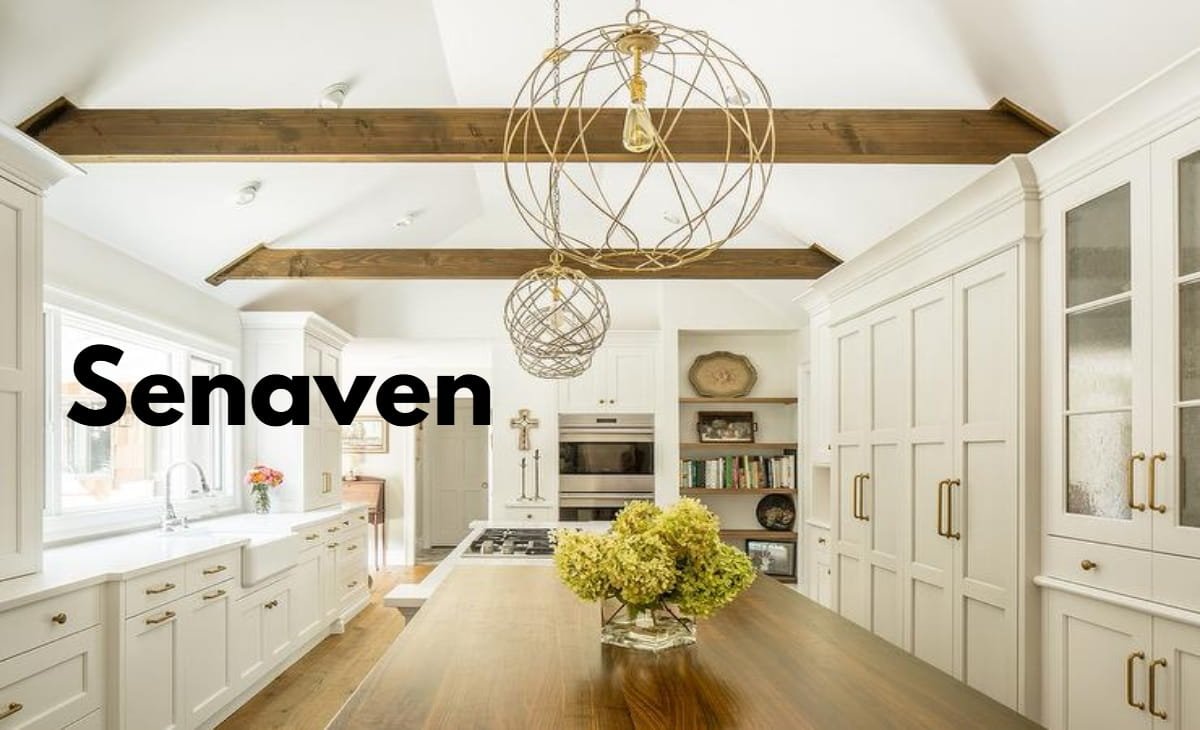
Benjamin Moore White Dove kitchen cabinets are widely used in both modern and traditional homes because the color sits in a perfect middle zone between bright white and cream.
On cabinetry, White Dove softens reflections from countertops and appliances, especially stainless steel and marble. It also works extremely well with brass hardware, which is a major 2026 kitchen trend.
However, one important detail is finish selection. Satin or semi-gloss finishes are typically preferred because they enhance durability and make cleaning easier, especially in high-use kitchens.
Compared to ultra-white cabinets, White Dove hides minor wear and shadows much better, which is why contractors often recommend it for long-term use.
White Dove vs Swiss Coffee (Most Popular Comparison)
The comparison between Benjamin Moore White Dove vs Swiss Coffee is one of the most searched topics—and for good reason. When comparing warm whites like White Dove and Alabaster, subtle differences in undertones and brightness matter more than most people realize. This is explained in our full Alabaster vs White Dove comparison guide.
Swiss Coffee is generally warmer and creamier, with a more noticeable beige base. It creates a softer, slightly vintage feel that works well in rustic or traditional interiors.
White Dove, on the other hand, is lighter and more balanced. It does not lean as heavily into cream tones, which makes it more flexible in modern and transitional homes.
If you want a color that feels slightly richer and warmer, Swiss Coffee is often preferred. But if you want something more neutral and adaptable across different rooms, White Dove is the safer long-term choice.
White Dove vs Sherwin-Williams Alabaster (Closely Competing Neutral)
Another frequent comparison is Benjamin Moore White Dove vs Sherwin-Williams Alabaster.
Alabaster is softer and slightly more muted, with a warmer beige undertone. It often reads more “creamy white” compared to White Dove’s balanced warmth.
White Dove typically appears cleaner and slightly brighter in natural light, while Alabaster leans more cozy and subdued.
In real homes, White Dove tends to work better in spaces that need flexibility, while Alabaster is preferred for calm, uniform interiors with minimal contrast.
Benjamin Moore White Dove vs Sherwin-Williams Equivalent
Many homeowners search for a Benjamin Moore White Dove Sherwin-Williams equivalent, but there is no perfect match because undertones differ across brands.
However, the closest comparisons often include:
- Sherwin-Williams Alabaster (SW 7008)
- Sherwin-Williams Greek Villa (slightly warmer alternative)
Still, none of these are exact matches. White Dove remains slightly more balanced between warmth and neutrality, which is why designers often stick with Benjamin Moore for consistency.
Where White Dove Works Best (Updated Design Use Cases)
White Dove performs exceptionally well in real residential environments where flexibility matters more than perfection.
It works especially well in whole-home color schemes because it allows rooms to flow naturally without visual breaks. This is why it is often used in modern open-plan houses.
In bedrooms and living rooms, it creates a calm, soft backdrop that pairs well with wood furniture and natural fabrics. In trim and doors, it provides gentle contrast without harsh definition lines.
Where White Dove May Not Be Ideal
Despite its versatility, White Dove is not always the best choice.
It may not perform well in ultra-modern homes that require crisp, high-contrast whites. In homes with cool gray flooring or very blue-toned lighting, it can appear warmer than expected.
In such cases, a cleaner white or cooler neutral may provide better balance.
Benefits and Limitations
Benefits
- Extremely versatile across different interior styles
- Works well in kitchens, bedrooms, and trim applications
- Soft undertones prevent harsh or clinical appearance
- Adapts well to natural and artificial lighting
- Long-term design stability (not trend-dependent)
Common Mistakes Homeowners Make
Mistakes to Avoid
- Testing paint in only one lighting condition
- Ignoring flooring and countertop undertones
- Choosing color based on online photos instead of real samples
- Using incorrect sheen for high-use areas like kitchens
- Not observing paint for at least 48 hours before final decision
Expert Advice (From Real-World Application)
From real renovation experience, the biggest factor in White Dove success is not the paint itself—it is lighting and surrounding materials.
Homes with warm wood tones, natural stone, and layered lighting consistently produce the best results with White Dove. On the other hand, homes with very cool finishes or strong blue lighting may need adjustment in bulb temperature to avoid unwanted warmth shifts.
This is why professionals always recommend testing White Dove directly in your space rather than relying on swatches or inspiration photos.
Final Verdict: Should You Choose Benjamin Moore White Dove?
Benjamin Moore White Dove remains one of the most reliable white paint colors in 2026.
It continues to outperform trend-driven whites because it balances warmth and neutrality in a way that works across real homes—not just styled interiors.
If your goal is a timeless, flexible, and safe white that works across kitchen cabinets, trim, and walls, White Dove is still one of the strongest choices available today.
However, success depends on proper testing, correct lighting, and understanding your home’s undertones before committing.
FAQs About Benjamin Moore White Dove (OC-17)
Is Benjamin Moore White Dove warm or cool?
Benjamin Moore White Dove is a warm off-white with soft cream and subtle gray undertones. It feels balanced rather than overly yellow or stark.
What are the undertones of White Dove?
White Dove has soft creamy undertones with a hint of gray, which helps it stay neutral in most lighting conditions without looking too warm.
What is the closest Sherwin-Williams equivalent?
There is no exact match, but the closest options are Sherwin-Williams Alabaster and Greek Villa, though both lean slightly warmer or softer than White Dove.
Is White Dove good for kitchen cabinets?
Yes, Benjamin Moore White Dove kitchen cabinets are very popular because the color feels clean but not harsh and pairs well with marble, quartz, and mixed hardware finishes.
Does White Dove work in 2026 home designs?
Yes, it remains highly popular in 2026 due to the shift toward warm neutrals and natural materials. White Dove fits well in modern, transitional, and classic interiors.