How to Grow and Care for Hosta Plants (Complete Guide + Buying Tips Worldwide)
If you’re searching for hosta plants, chances are you want something that can easily fill shady spaces with lush, attractive foliage without demanding constant attention. But most beginners quickly realize that growing hostas successfully isn’t just about planting them in shade. Questions like where to buy hostas, which varieties to choose, and how to prevent damage often come up.
This guide goes beyond basic care and also helps you understand how hostas can fit into low-maintenance landscaping ideas for shaded areas. It covers how to grow hostas properly, how to choose the right variety (including blue hostas), and where to find hosta plants for sale in different regions like the UK, New Zealand, and Australia. By the end, you’ll have a complete understanding of how to grow and maintain healthy hostas—and how to buy the right ones with confidence.
What Are Hosta Plants and Why Are They So Popular?
Hosta plants are shade-loving perennials grown mainly for their decorative leaves rather than flowers. Their popularity comes from how reliably they grow in areas where most plants struggle, such as under trees, along shaded walls, or in low-light gardens.
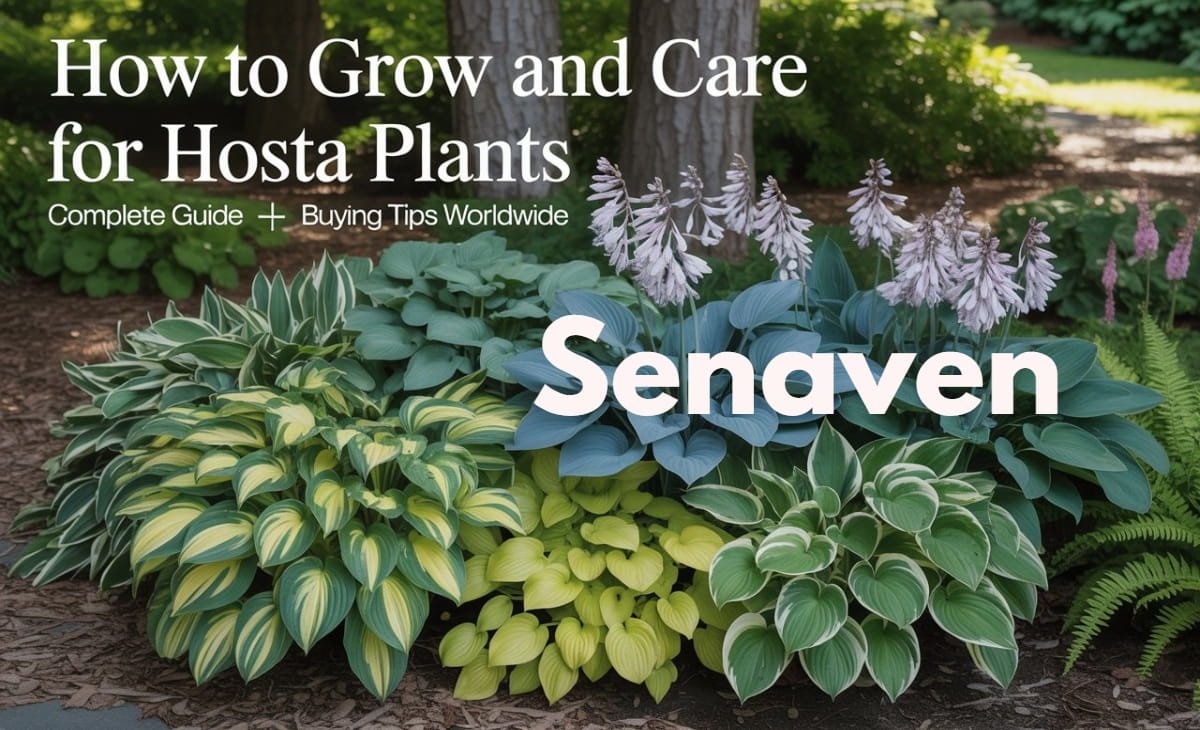
What makes hostas especially appealing is their variety. You’ll find everything from compact mini hostas for containers to large, bold varieties that can dominate a garden bed. Their leaves can be deep green, lime, variegated, or even blue-toned, which adds visual depth to otherwise dull spaces.
For homeowners and renters, they solve a very real problem, how to make shaded areas look alive and well-designed without high maintenance. They’re also a great choice if you’re planning low-maintenance garden designs with natural textures and structure.
Best Conditions for Growing Hosta Plants
Sunlight Requirements: Do Hostas Need Full Shade?
Hostas are known as shade plants, but that doesn’t mean they should sit in complete darkness. Most varieties perform best in partial shade, where they receive gentle morning sunlight and are protected from harsh afternoon rays. Too much sun often leads to scorched or faded leaves, especially in darker varieties.
Interestingly, lighter or yellow-toned hostas can tolerate slightly more sunlight, while blue hostas require deeper shade to maintain their color.
Soil Requirements: What Soil Is Best for Hostas?
Healthy hostas start with the right soil. They prefer rich, well-draining soil that holds moisture without becoming waterlogged. Poor soil is one of the most common reasons beginners struggle with weak or slow-growing plants.
Adding compost before planting significantly improves both drainage and nutrient availability. If your soil is too sandy, it will dry out too quickly; if it’s heavy clay, it can suffocate the roots.
Watering Needs: How Often Should You Water Hostas?
Hostas need consistent moisture to maintain their lush appearance. Instead of following a strict schedule, it’s better to monitor the soil. When the top layer feels dry, it’s time to water.
During hot weather, hostas may require more frequent watering. One practical sign to watch for is drooping leaves during the day—this usually indicates thirst rather than disease.
How to Plant Hosta Plants (Beginner-Friendly Method)
Planting hosts correctly makes a big difference in how well they establish. Choose a shaded location with enough space for the plant to spread over time. After loosening the soil and mixing in compost, place the hosta so that its crown sits just above the soil level.
Water thoroughly after planting to help the roots settle. Many beginners plant too deep, which can slow growth or cause rot, so keeping the crown visible is important.
Hosta Plant Care: What Actually Makes Them Thrive
Once established, hostas are low-maintenance, but a few consistent habits make a noticeable difference. Feeding them lightly in spring encourages fuller growth, while mulching helps retain moisture and regulate soil temperature.
Removing damaged or yellowing leaves not only improves appearance but also reduces the risk of pests. Over time, hostas naturally expand, and dividing them every few years keeps them healthy and prevents overcrowding.
Common Problems with Hosta Plants (And Real Fixes)
Many beginners assume hostas are “plant and forget,” but a few common issues can appear if conditions aren’t right. Yellow leaves are usually caused by too much sunlight or excessive watering, while brown edges often indicate dryness or heat stress.
One of the biggest frustrations is holes in leaves, typically caused by slugs. This is extremely common, especially in damp environments. Simple solutions like improving airflow, reducing excess moisture, or using natural deterrents can significantly reduce damage.
Slow growth is another issue, often linked to poor soil or lack of nutrients rather than the plant itself.
Blue Hosta Plants: What Makes Them Special?
Blue hosta plants are among the most sought-after varieties because of their unique cool-toned foliage. Their blue appearance actually comes from a waxy coating on the leaves, which can fade if exposed to too much sunlight or heavy rain.
To maintain their color, plant them in deeper shade and avoid excessive watering on the leaves. They’re slightly more sensitive than standard green hostas but reward you with a distinctive look that stands out in any garden.
Growing Hostas in Pots (Perfect for Small Spaces)
- Choose a large container with proper drainage
- Use high-quality, moisture-retaining potting mix
- Keep pots in shaded balconies, patios, or indoor bright shade areas
Growing hostas in pots is especially useful for renters or those without garden space, but it does require slightly more frequent watering compared to ground planting.
Where to Buy Hosta Plants (Global Guide for Beginners)
Hosta Plants for Sale: What to Look For
When buying hostas, always check for healthy leaves, strong roots, and no signs of pests. Avoid plants with mushy crowns or heavily damaged foliage.
Hosta Plants in the UK
In the UK, hostas are widely available through garden centers and online nurseries. The climate is naturally suitable for them, making it easier for beginners to grow them successfully.
Hosta Plants in New Zealand (NZ)
Hosta plants in NZ grow well in cooler, shaded regions. Garden centers and specialty nurseries often stock a wide range of varieties suited to local conditions.
Hosta Plants in Australia
In Australia, hostas can be more sensitive due to heat. They perform best in cooler regions or shaded gardens. Retailers like Bunnings often stock common varieties, making them accessible for beginners.
Hosta Plants at Bunnings
Bunnings is a popular option in Australia for affordable hosta plants. While the selection may be limited compared to specialty nurseries, it’s a good starting point for beginners looking for reliable varieties.
Pros and Cons of Hosta Plants
Pros
- Easy to grow in shade
- Visually striking foliage
- Suitable for beginners
- Long-lasting perennial
Cons
- Attract slugs and pests
- Sensitive to strong sunlight
- Can spread and overcrowd over time
Expert Advice: How to Grow Healthier Hosta Plants
Experienced gardeners know that small care changes can make a big difference in how hosta plants look and grow. The most important factor is location—hostas thrive best in partial shade with soft sunlight, not deep shade or harsh sun.
Instead of frequent light watering, it’s better to water deeply so roots grow stronger. Also, avoid planting hostas too close together, as proper spacing improves airflow and helps plants reach their full size.
Finally, removing damaged leaves early keeps the plant healthy and encourages fresh, vibrant growth.
Conclusion
Hosta plants are one of the most practical and rewarding choices for anyone dealing with shaded spaces. With the right balance of shade, moisture, and soil care, they can transform even the dullest corner into a lush, vibrant area.
What makes them even more appealing is their availability worldwide. Whether you’re looking for hosta plants for sale in the UK, NZ, or Australia, or searching for unique varieties like blue hostas, there are plenty of options to get started.
Focus on proper planting, consistent watering, and the right location, and your hostas will thrive with very little effort.
FAQs
Where can I find hosta plants for sale near me?
You can find hostas at local garden centers, plant nurseries, and large retailers like Bunnings (in Australia), as well as online stores in the UK and NZ.
Are hosta plants easy for beginners?
Yes, hostas are one of the easiest plants to grow, especially in shaded areas, making them perfect for beginners.
What are the best hosta plants for shade?
Most varieties thrive in shade, but blue hostas and darker green types perform especially well in low-light conditions.
Why are my hosta plants turning yellow?
This usually happens due to too much sunlight or overwatering. Adjusting these conditions often solves the issue.
Can I grow hosta plants indoors?
Hostas can survive indoors in bright, indirect light, but they generally perform better outdoors where they can follow natural seasonal cycles.