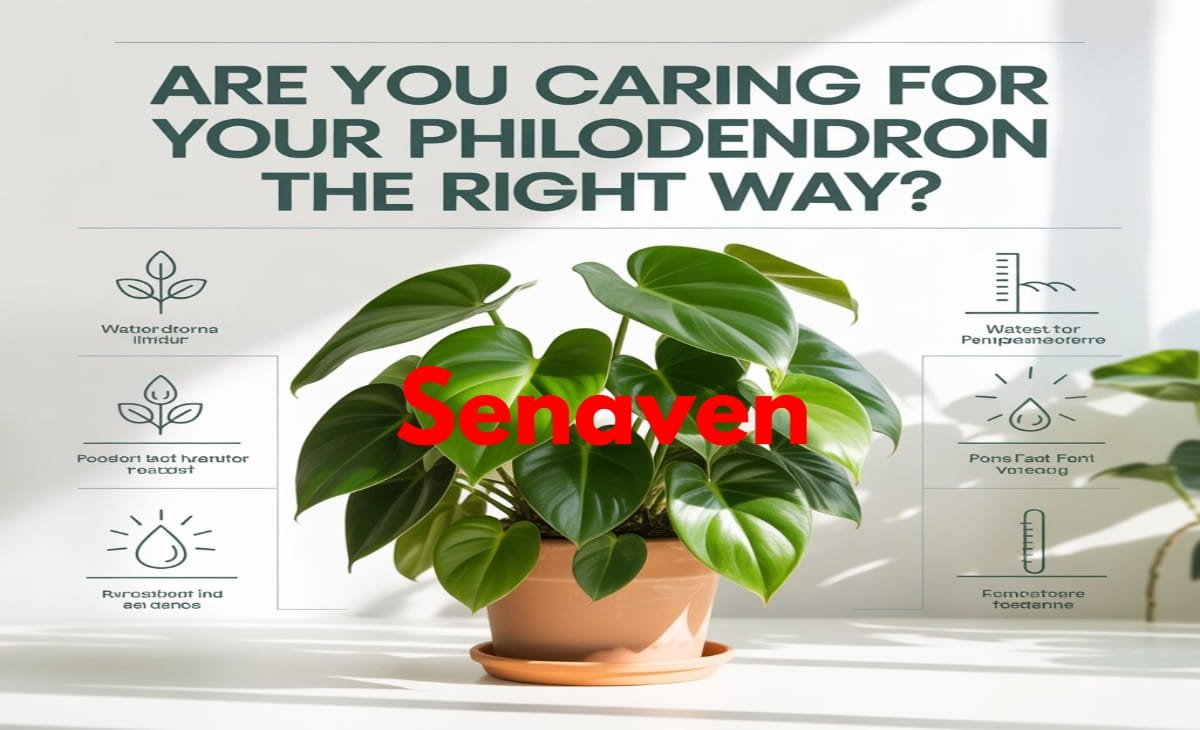
Are You Caring for Your Philodendron the Right Way?
Philodendron is one of the most popular indoor plants because it is easy to grow, visually appealing, and highly adaptable to home environments. However, many plant owners still struggle with keeping it healthy. Issues like yellow leaves, slow growth, or confusion about different varieties such as philodendron hederaceum or philodendron micans are very common.
The main reason behind these problems is not the plant itself but the lack of understanding about its types and proper care requirements. In this guide, you will learn everything about It care and its most popular varieties so you can grow a healthy and thriving plant indoors.
You can also explore a complete guide to growing ornamental plants indoors to understand how different houseplants adapt to indoor environments. This helps beginners build stronger plant care habits from the start.
What Is a Philodendron?
It is a tropical houseplant that belongs to a large plant family known for its lush green foliage and easy maintenance. These plants naturally grow in warm, humid environments, which is why they adapt well to indoor spaces.
Philodendrons are usually divided into climbing and non-climbing types. Climbing varieties grow along supports or hang beautifully from pots, while non-climbing types grow more upright and bushy. This versatility is one of the main reasons they are widely used in home decoration.
Many indoor plants share similar care patterns, such as popular decorative foliage plants like hosta. Learning about these helps you understand how different plants behave in home environments.
Popular Philodendron Types You Should Know
Philodendron Hederaceum
Philodendron hederaceum, also known as the heartleaf philodendron, is one of the easiest varieties to grow. It is a trailing plant that works perfectly in hanging baskets or shelves. Its heart-shaped green leaves make it a favorite for beginners because it can tolerate low light and occasional neglect.
Philodendron Micans
Philodendron micans is known for its soft, velvety leaves with a deep green color and slight reddish undertone. It grows as a trailing vine and prefers slightly humid conditions. This variety is often chosen for decorative indoor setups due to its unique texture and elegant appearance.
Philodendron Gloriosum
Philodendron gloriosum is a slow-growing but highly attractive plant known for its large, heart-shaped leaves with striking white veins. Unlike climbing varieties, it grows horizontally across the soil surface. It requires space and well-draining soil to thrive properly, making it more suitable for experienced plant owners.
Philodendron Selloum
Philodendron selloum, also called hope It, is a large, dramatic plant with deeply split leaves. It grows into a tree-like structure indoors and needs space to spread. Although it is low maintenance, it performs best in bright, indirect light and consistent care.
Philodendron Erubescens
Philodendron erubescens is a parent species for many hybrid varieties. It is known for its red or pink stems and glossy leaves. This plant is moderately easy to care for and is often used in hybrid breeding to create more colorful philodendron varieties.
How to Care for a Philodendron Indoors
Light and Watering Requirements
- Bright indirect light is ideal for healthy growth
- Avoid direct sunlight as it can burn leaves
- Water only when the top layer of soil becomes dry
- Do not follow a strict watering schedule; check soil moisture instead
Its respond strongly to light conditions. When placed in low light, their growth becomes slow and weak, while too much direct sun can damage their leaves. Similarly, overwatering is one of the most common mistakes that leads to root rot, so it is important to let the soil dry slightly before watering again.
Soil, Humidity, and Temperature
It grow best in soil that drains well but still retains some moisture. A mix of potting soil, perlite, and organic material works well for most varieties. These plants prefer warm temperatures and moderate to high humidity levels, which mimic their natural tropical environment.
In dry indoor conditions, the leaves may develop brown edges or lose their shine. Maintaining a balanced environment helps the plant stay healthy and encourages steady growth throughout the year.
Common Philodendron Problems and Solutions
Its owners often face issues like yellowing leaves, drooping stems, or slow growth. Yellow leaves are usually a sign of overwatering or poor drainage, while drooping can indicate underwatering or sudden environmental stress. If the plant becomes leggy, it is often due to insufficient light.
The solution in most cases is simple: adjust watering habits, improve lighting conditions, and ensure the soil is well-draining. Once these basics are corrected, philodendrons usually recover quickly and continue growing normally.
Which Philodendron Is Best for Beginners?
For beginners, philodendron hederaceum and philodendron micans are the best choices because they are forgiving and easy to maintain. These varieties do not require strict care routines and can adapt to different indoor environments, making them perfect for first-time plant owners.
Expert Advice for Healthy Philodendron Growth
From an expert plant-care perspective, the biggest mistake people make with it is trying to “overcare” for them. These plants perform better when they are allowed to follow a natural cycle rather than being constantly adjusted or overwatered.
Always remember that philodendrons communicate through their leaves. Instead of reacting immediately to small changes, observe the plant for a few days before making adjustments. For example, one yellow leaf does not always mean a serious problem; it can simply be natural aging.
Another important tip is consistency. Sudden changes in light, watering, or location can stress the plant more than minor imperfections in care. Keeping a stable environment is far more effective than trying to perfect every single condition.
Finally, cleaning the leaves regularly is often ignored but extremely important. Dust can block sunlight absorption and slow down growth over time, so gently wiping the leaves every couple of weeks helps maintain plant health.
Conclusion
They are one of the most rewarding indoor plants when properly understood. Each variety, whether it is hederaceum, micans, gloriosum, selloum, or erubescens, has its own unique characteristics and care requirements. Once you understand these differences and follow basic care principles like proper light, watering, and soil management, growing a healthy philodendron becomes simple and enjoyable.
FAQs
What is the easiest philodendron to grow?
Philodendron hederaceum is considered the easiest due to its adaptability and low maintenance needs.
Can a philodendron grow in low light?
Yes, but growth will be slower and less vibrant compared to bright indirect light conditions.
Why are philodendron leaves turning yellow?
This usually happens due to overwatering or poor soil drainage.
Is philodendron micans rare?
It is less common than basic varieties but not extremely rare; it is valued for its velvety leaves.
How big can philodendron selloum grow?
It can grow quite large indoors and needs space to spread its leaves properly.