Do Deer Eat Marigolds? (And Geraniums, Zinnias, or Potted Plants?) A Complete Gardener’s Guide
You planted marigolds hoping they’d keep pests away—but now something is eating them. If you’re new to gardening, understanding how marigolds grow and their natural benefits can help explain why deer sometimes target them. but now something is eating them. If deer are common in your area, the big question is: do deer eat marigolds, or are they actually safe?
The truth is a bit more nuanced than most gardening advice suggests. Marigolds are often labeled “deer-resistant,” but that doesn’t mean deer won’t touch them. The same confusion applies to geraniums, zinnias, and even potted plants.
This guide answers all the real questions people search for—like whether deer eat marigolds in fall, in pots, or alongside other flowers—and gives you practical, experience-based solutions that actually work.
Do Deer Eat Marigolds?
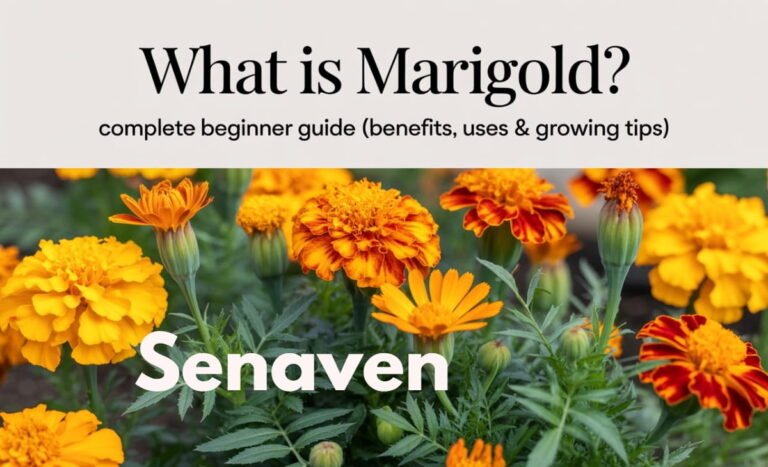
Marigolds are considered deer-resistant, but not deer-proof. Deer generally avoid them because of their strong smell and slightly bitter taste. However, if food is limited or deer are used to feeding in your yard, they may still eat marigolds.
In many home gardens, marigolds remain untouched for weeks or even months. But during dry seasons or when natural vegetation is scarce, deer behavior changes. They become less selective and start eating plants they would normally ignore. This is why some gardeners are surprised when their marigolds suddenly get eaten overnight.
So while marigolds are not a preferred food source, they are not completely safe either.
Do Deer Like Marigolds or Avoid Them?
Deer don’t “like” marigolds in the way they love roses or hostas. The strong scent acts as a natural deterrent, which is why marigolds are often planted as companion plants.
However, deer are driven more by survival than preference. If they’re hungry enough, the smell becomes less of a barrier. Younger marigold plants are especially vulnerable because they haven’t developed the strong scent mature plants have.
In simple terms: deer avoid marigolds when they have better options—but they won’t ignore them forever.
Do Deer Eat Marigolds and Geraniums?
Both marigolds and geraniums fall into the “moderately deer-resistant” category. Geraniums have a slightly fuzzy texture and mild scent that deer don’t particularly enjoy, but they are still edible.
When planted together, neither plant guarantees protection. In fact, if deer enter your garden regularly, they may sample both. Geraniums may last slightly longer than marigolds in some cases, but the difference isn’t significant enough to rely on one over the other.
For gardeners, this means planting these flowers together can reduce risk—but not eliminate it.
Do Deer Eat Marigolds and Zinnias?
This is one of the most searched questions—and the answer is important for flower beds.
Zinnias are generally more attractive to deer than marigolds. They have softer leaves and no strong scent, making them easier and more enjoyable for deer to eat. If you plant marigolds and zinnias together, deer will usually go for the zinnias first.
However, once the zinnias are eaten, deer may move on to marigolds. So while marigolds can offer slight protection as a companion plant, they won’t fully protect nearby flowers.
Do Deer Eat Marigolds in Fall?
Yes, deer are more likely to eat marigolds in fall. This is when natural food sources start to decline, and deer begin preparing for winter.
During this time, deer:
- Become less picky
- Expand their diet
- Visit residential gardens more frequently
Even plants that were untouched in summer can suddenly become targets. Many gardeners report that their marigolds survive all season—only to be eaten in late fall.
Do Deer Eat Marigolds in Pots?
Planting marigolds in pots does not guarantee protection. Deer can and will eat potted plants if they are easily accessible.
However, pots give you a small advantage. You can place them in safer locations like patios, balconies, or near entryways where deer feel less comfortable. Elevating pots or placing them behind barriers can significantly reduce the chances of damage.
So while pots don’t make plants deer-proof, they do give you more control over placement and protection.
Do Deer Eat Marigolds and Zinnias Together?
When both are planted together, deer behavior usually follows a pattern. They will typically eat zinnias first because they are more appealing. After that, they may return for marigolds if no better food is available.
This creates a false sense of security for some gardeners who think marigolds are protecting nearby plants. In reality, they are just less attractive—not immune.
What Do Real Gardeners Say? (Insights from Common Discussions)
Many gardeners share similar experiences when discussing whether deer eat marigolds. A common pattern emerges: marigolds are often ignored at first but eventually eaten under pressure.
Some gardeners report never having issues, especially in areas with plenty of natural vegetation. Others say deer completely wiped out their marigolds during drought or fall.
The takeaway is clear—results vary depending on location, deer population, and food availability. This is why relying only on “deer-resistant” labels can be misleading.
Why Deer Sometimes Eat “Deer-Resistant” Plants
Deer feeding behavior is influenced by several factors, not just plant type. Hunger is the biggest driver. When food is scarce, deer will eat almost anything they can find.
Young plants are another factor. Fresh growth is softer, less bitter, and easier to digest, making it more appealing. Repeated exposure also matters—if deer are used to your garden, they are more likely to experiment with different plants.
Understanding these patterns helps explain why marigolds may be safe one month and eaten the next.
How to Stop Deer from Eating Marigolds and Other Flowers
To truly protect your garden, you need a layered approach rather than relying on one solution. Many homeowners also switch to low-maintenance garden designs that naturally reduce deer visits, especially in areas with frequent wildlife activity.
- Install physical barriers: Fencing remains the most reliable method. A properly installed fence can completely prevent deer access.
- Use deer repellents: Sprays made with garlic, eggs, or pepper can discourage feeding, especially when used consistently.
- Choose plant placement wisely: Keep vulnerable plants closer to your home where deer are less likely to approach.
- Add motion deterrents: Lights or sprinklers can scare deer away, particularly at night.
These methods work best when combined rather than used individually.
Pros and Cons of Using Marigolds for Deer Control
- Pros:
- Easy to grow and maintain
- Naturally pest-resistant
- Slight deterrent effect on deer
- Budget-friendly option
- Cons:
- Not fully reliable against hungry deer
- Less effective in fall or drought
- Needs additional protection methods
Expert Advice: How to Reliably Keep Deer Away from Marigolds
From practical gardening experience, the biggest mistake homeowners make is relying only on so-called “deer-resistant” plants like marigolds or geraniums. While these plants can reduce the chances of damage, they don’t solve the problem completely—especially if deer are already active in your area. The most effective approach is layering your defenses. Start by placing marigolds closer to your home or in areas with more human activity, as deer naturally avoid those spaces. Combine this with a quality deer repellent spray and, if possible, a physical barrier like fencing or netting. Timing also matters—be extra cautious in fall when deer feeding increases. In real-world gardens, the setups that work best are never dependent on one method but a combination of smart plant choices and consistent protection strategies.
Conclusion
So, do deer eat marigolds? Yes—but usually only when they have to.
They don’t prefer marigolds, geraniums, or even their strong scent. But hunger, season, and environment all play a role in changing their behavior. The same applies to zinnias, which are actually more attractive and often eaten first.
If you want real protection, don’t rely on plant choice alone. Combine smart planting with physical barriers and deterrents. That’s the only way to consistently keep deer out of your garden.
FAQs
Do deer eat marigolds regularly or only sometimes?
Deer usually avoid marigolds, but they will eat them during food shortages, especially in fall or dry conditions.
Do deer eat marigolds and geraniums together?
Yes, both can be eaten. They are moderately deer-resistant but not completely safe from hungry deer.
Are zinnias more attractive to deer than marigolds?
Yes, zinnias are more appealing due to their soft leaves and lack of strong scent, making them a common target.
Will planting marigolds keep deer away from my garden?
Not entirely. Marigolds may help reduce interest, but they won’t stop deer without additional protection methods.
Can I protect marigolds by planting them in pots?
Pots can help if placed in secure or elevated areas, but deer can still eat them if they are accessible.