Lemon Cypress Tree: Complete Indoor Care, Size, Height & Buying Guide
If you’re searching for a plant that instantly adds brightness, structure, and a refreshing scent to your home, the lemon cypress tree is hard to beat. Its golden-green foliage and natural citrus fragrance make it one of the most eye-catching indoor plants available today.
But many people buy it without fully understanding how it grows, how big it gets, or how to care for it properly—leading to common problems like browning or drying out.
This guide is designed to solve that. You’ll learn everything from lemon cypress size and height to indoor care, topiary styling, and even how to choose a healthy plant when buying.
What Is Lemon Cypress?
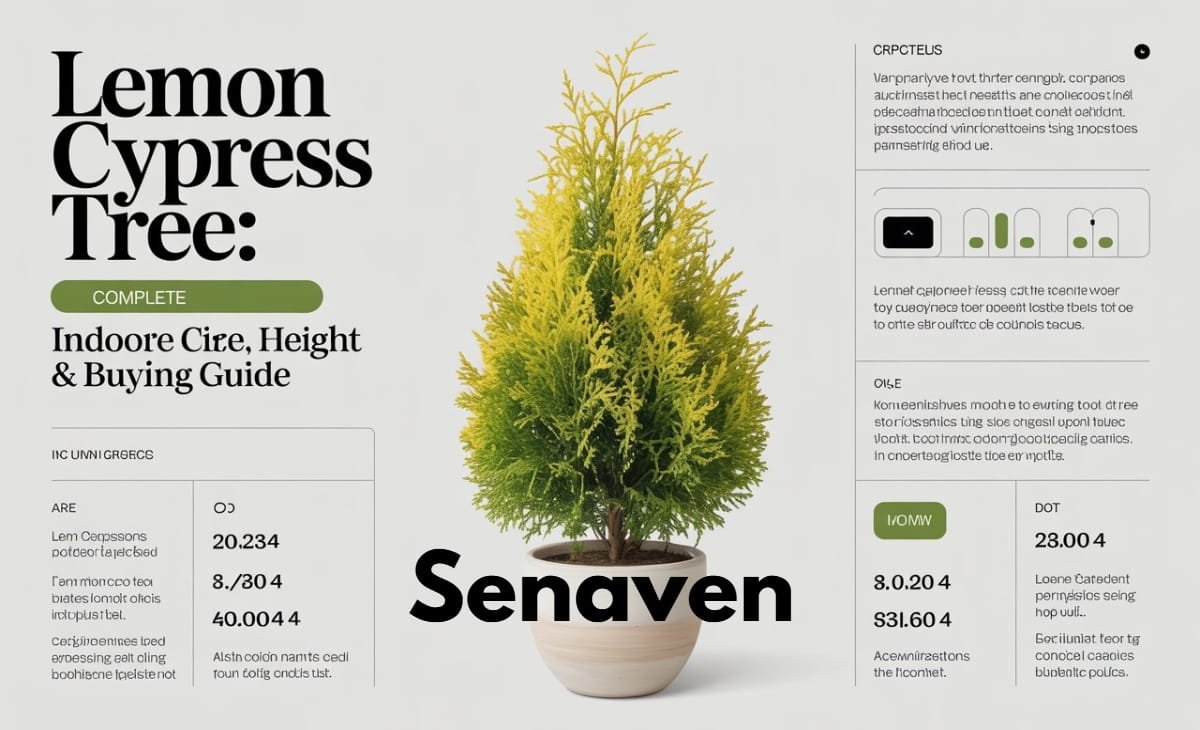
Lemon cypress (Cupressus macrocarpa ‘Goldcrest’) is a compact evergreen conifer known for its vibrant yellow-green color and fresh lemon scent. It’s often sold as a decorative indoor plant, especially during festive seasons, but it can thrive year-round if given the right care.
Unlike typical houseplants, it behaves more like a miniature tree. That’s why understanding its natural growth habits is important—just like with other indoor plants that require similar consistent care. That’s why understanding its natural growth habits is important if you want to keep it healthy indoors.
Lemon Cypress Size and Height (What to Expect)
One of the most common questions people ask is: how big does a lemon cypress tree get?
Indoors, lemon cypress stays relatively small and manageable. Most plants grow between 2 to 4 feet tall, depending on light, pot size, and care. Its width usually remains narrow, giving it that neat, upright shape that works well in corners or small spaces.
Outdoors, however, it can grow much taller—reaching up to 10–15 feet or more over time in suitable climates. That’s why indoor plants are typically kept in pots to control their size.
If you want to keep your plant compact, regular light pruning and a properly sized container will naturally limit its height.
Lemon Cypress Topiary: Shapes and Styling
Lemon cypress is widely used as a topiary plant, which means it can be shaped into decorative forms. You’ve probably seen spiral, cone, or tiered designs in nurseries or home décor stores.
The reason it works so well for topiary is its dense, fine foliage and naturally upright growth pattern.
You don’t need to be an expert to maintain its shape. Light trimming every few weeks is enough to keep it neat. However, cutting too deep into older wood can damage the plant, so it’s best to trim only the outer green growth.
For beginners, the classic cone shape is the easiest to maintain and suits almost any indoor setting.
How to Care for Lemon Cypress Indoors
Light Requirements
The most critical factor for keeping lemon cypress healthy is light. It needs bright, indirect sunlight for several hours a day. A spot near a sunny window works best.
If the plant doesn’t get enough light, you’ll notice the color fading and the growth becoming weak or uneven. This is one of the main reasons people struggle with this plant indoors. If the plant doesn’t get enough light, you’ll notice the color fading and the growth becoming weak or uneven. This is a common issue with low-maintenance indoor plants with similar light needs, especially when placed in dim areas.
Watering Routine
Watering needs to be balanced carefully. The soil should stay slightly moist, but never soggy. Overwatering can lead to root issues, while underwatering can quickly cause browning.
A simple method is to check the top layer of soil with your finger. If it feels dry, it’s time to water. If it still feels damp, wait another day or two.
Consistency matters more than frequency. Sudden changes in watering habits can stress the plant.
Soil and Pot Setup
Lemon cypress prefers soil that drains well. Regular potting mix works, but adding sand or perlite improves drainage and prevents water from sitting around the roots.
The pot should always have drainage holes. Without proper drainage, even a small amount of extra water can cause problems over time.
Temperature and Indoor Conditions
This plant prefers mild indoor temperatures and doesn’t tolerate extreme heat or cold very well. Keeping it away from heaters, air conditioners, and sudden drafts will help maintain its health.
If your indoor air is very dry, occasional misting or placing a small water tray nearby can improve humidity levels slightly.
Common Problems and How to Fix Them
Browning Leaves
Browning is usually a sign of dryness—either from underwatering, low humidity, or too much heat. Adjusting your watering routine and moving the plant to a more stable environment often solves the issue.
Fading Color
If your lemon cypress loses its bright golden tone, it’s almost always due to insufficient light. Relocating it to a brighter area can restore its color over time.
Dry or Crispy Texture
This happens when the plant is exposed to dry indoor air or inconsistent watering. Keeping conditions stable is the key to preventing this.
Lemon Cypress Tree for Sale: What to Look For
If you’re planning to buy a lemon cypress tree, it’s important to choose a healthy plant from the start.
Look for vibrant yellow-green foliage, a strong upright shape, and no signs of browning or dryness. Avoid plants that feel brittle or have uneven color, as they may already be stressed.
You’ll often find lemon cypress sold in small decorative pots or shaped as topiary. These are usually young plants, which makes them easier to adapt to your home environment.
Whether buying from a nursery or an online store, make sure the plant has been kept in good lighting conditions, as poor storage can affect its long-term health.
Indoor vs Outdoor Growth
While lemon cypress can grow outdoors, many homeowners prefer keeping it indoors for decorative purposes.
Indoors, it remains compact and easier to manage. Outdoors, it grows faster and taller but requires a suitable climate. If you live in an area with extreme temperatures, indoor care is the safer option.
Some people move their plant outside during mild seasons and bring it back indoors when conditions become harsh. This hybrid approach works well if managed carefully.
Where to Place Lemon Cypress in Your Home
Choosing the right spot can make a big difference in how well your plant performs.
Placing it near a bright window in the living room creates a strong visual focal point. In entryways, it adds a fresh and welcoming touch. It can also work well in home offices, where its color and scent create a more pleasant atmosphere.
The key is to prioritize light while avoiding extreme heat or airflow.
Pros and Cons of Lemon Cypress
Pros:
- Bright, eye-catching color
- Pleasant natural fragrance
- Compact and space-friendly
Cons:
- Requires consistent light
- Sensitive to watering mistakes
- Can dry out in poor indoor conditions
Expert Advice: Keeping Lemon Cypress Healthy
To keep your lemon cypress thriving, focus on consistency. Place it in bright light and avoid moving it frequently, as sudden changes can stress the plant.
Adjust care with the seasons—indoor heating can dry it out in winter, while summer may require slightly more watering. Keep it away from direct heat or cold air, and don’t over-fertilize.
In simple terms, steady light, balanced watering, and a stable environment are the keys to long-term health.
Conclusion
The lemon cypress is more than just a decorative plant—it’s a small indoor tree that brings color, structure, and freshness into any space. Once you understand its basic needs—especially light and watering—it becomes a reliable and rewarding addition to your home.
By knowing its size, height, and growth habits, along with how to care for it properly, you can avoid common mistakes and enjoy a healthy, vibrant plant for years.
FAQs
How big does a lemon cypress tree get indoors?
Indoors, it usually grows between 2 to 4 feet tall and remains compact with proper care.
Can lemon cypress be kept as a topiary?
Yes, it’s commonly shaped into cones, spirals, and other topiary designs because of its dense foliage.
Why is my lemon cypress turning brown?
This is often caused by dry soil, low humidity, or insufficient light. Adjusting these conditions usually helps.
How often should I water lemon cypress?
Water when the top inch of soil feels dry. Avoid overwatering and ensure proper drainage.
Where can I find lemon cypress tree for sale?
They are available at local nurseries, garden centers, and online plant stores, especially during seasonal sales.