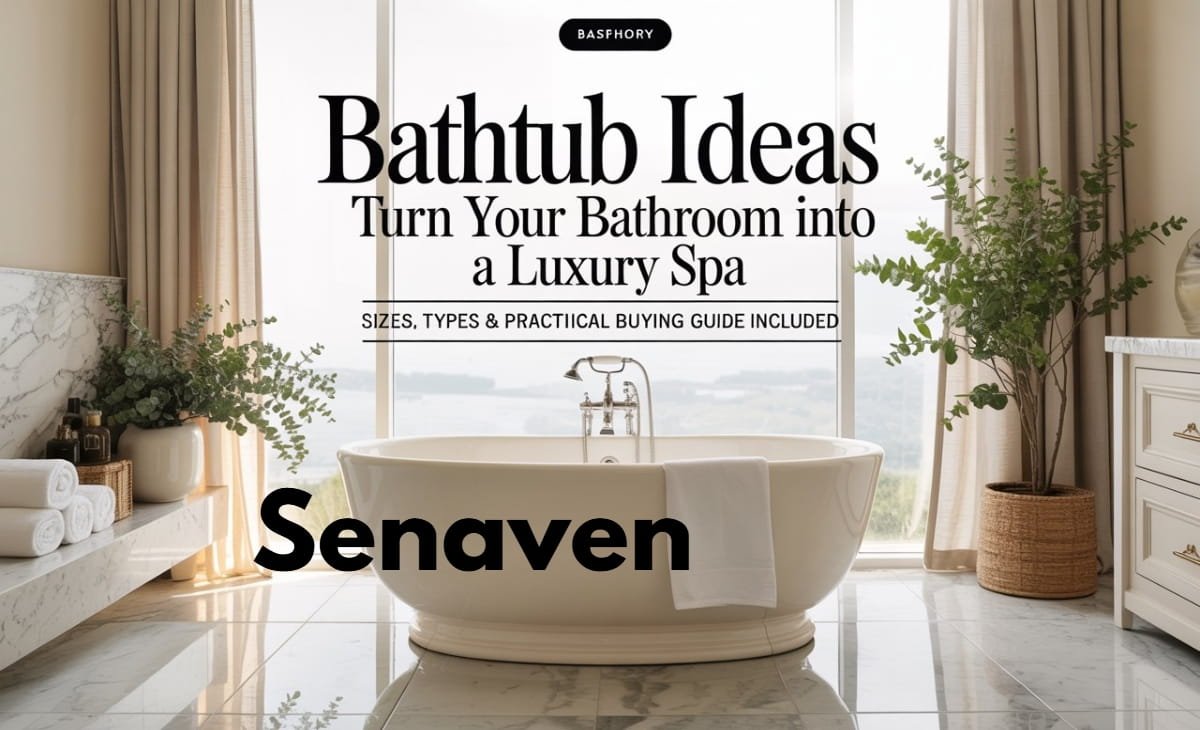
Bathtub Ideas: Turn Your Bathroom into a Luxury Spa (Sizes, Types & Practical Buying Guide Included)
A bathtub is a water-holding fixture designed for soaking, relaxation, or hygiene. While modern homes often prioritize showers, bathtubs remain essential for comfort, family use (especially for kids and babies), and even property value.
Beyond function, a well-designed bathtub area can act as a personal retreat—something that’s becoming more important as people look to bring relaxation into their homes instead of relying on expensive spa visits.
Popular Bathtub Ideas to Create a Spa-Like Feel
Freestanding bathtubs are often the first choice for a luxury look. They work best in open bathrooms where the tub becomes the visual centerpiece. When paired with soft lighting and minimal decor, they create a calm, high-end atmosphere without needing excessive decoration.
Built-in bathtubs, on the other hand, are more practical and common in smaller homes. With the right tile work and wall niches, they can look just as elegant while offering better storage and space efficiency.
For those focused on comfort, soaking tubs are a strong option. These are deeper than standard tubs and allow full-body immersion, which makes a noticeable difference after a long day.
If safety or accessibility is a concern, walk-in bathtubs provide a practical solution. They are designed for easy entry and often include seating, making them ideal for elderly users or long-term usability planning.
Standard Bathtub Sizes (With Real Measurements)
Understanding bathtub size is one of the most important steps before buying or upgrading.
Most standard bathtubs fall within these common dimensions:
- Length: 4.5 to 6 feet
- Width: 2 to 3 feet
- Height (depth): 14 to 20 inches
In feet, a typical bathtub size is around 5 feet long, 2.5 feet wide, and about 1.5 feet deep.
Smaller bathrooms often use compact tubs around 4 to 4.5 feet, while larger bathrooms can accommodate 6-foot or even longer freestanding designs.
Choosing the right size isn’t just about fitting the space—it also affects comfort. Taller individuals usually benefit from longer tubs, while deeper tubs are better for soaking.
Bathtub Size in Feet vs Inches (What You Should Know)
Many buyers get confused between measurements in inches and feet. In simple terms, most manufacturers list sizes in inches, but homeowners often think in feet.
For example, a “60-inch bathtub” is actually a 5-foot bathtub, which is considered standard in many homes, especially in the US.
If you’re planning renovations, always double-check both units. This helps avoid costly mistakes when ordering or installing.
Bathtub for Baby: Safe and Practical Options
When choosing a bathtub for a baby, safety and ease of use matter more than design.
Baby bathtubs are smaller, portable, and often come with support features to keep the baby stable during bathing. Many parents prefer lightweight plastic tubs that can be placed inside a standard bathtub or even on a countertop.
Comfort is also important—not just for the baby, but for the person bathing them. A design that reduces bending and strain can make daily routines much easier.
Bathtub in the US: Standards and Trends
In the United States, the 5-foot alcove bathtub is the most common standard, especially in apartments and suburban homes. This size fits neatly into three-wall enclosures and is cost-effective to install.
However, newer homes are increasingly adopting freestanding tubs and larger soaking tubs, reflecting a shift toward comfort and aesthetics rather than just utility.
Another noticeable trend is combining bathtubs with showers to maximize functionality without requiring extra space.
What Is a Bathtub CAD Block and Who Needs It?
A bathtub CAD block is a digital drawing used by architects, interior designers, and builders when planning bathroom layouts. These files represent bathtubs in technical drawings and help visualize spacing, plumbing placement, and overall design.
If you’re working with a professional designer or planning a renovation yourself using software, CAD blocks can help avoid layout mistakes before construction begins.
For everyday homeowners, you don’t need to create these files—but it’s helpful to know about them if you’re reviewing design plans.
Understanding the “Bathtub Curve” in Real Life
The term “bathtub curve” actually comes from reliability engineering, but it can be loosely connected to home use as well.
In technical terms, it describes how failure rates change over time—starting high, stabilizing, then increasing again. When applied practically to home fixtures like bathtubs, it highlights something important: maintenance matters.
A new bathtub may have minor installation issues early on, then perform well for years, and eventually show wear due to age. Knowing this helps homeowners plan maintenance, upgrades, or replacements at the right time instead of reacting to problems.
How to Turn Your Bathtub into a Luxury Spa (Step-by-Step)
Creating a spa-like experience doesn’t require a full remodel—it’s about improving the environment around your bathtub.
Start with lighting. Harsh white lights can make even a beautiful bathroom feel cold. Switching to warm lighting or adding dimmable options creates a softer, more relaxing mood.
Next, bring in natural elements. Even a small plant, wooden bath tray, or stone accessory can make the space feel calmer and less artificial.
Upgrading textiles like towels and bath mats is another simple but effective change. Thicker, softer materials instantly improve comfort. Built-in bathtubs are ideal for smaller homes because they save space and improve storage. This connects with space-saving home improvements that are now very popular in modern design.
Finally, consider scent and sound. Aromatherapy oils or candles, combined with quiet music or even silence, can transform a quick bath into a genuinely relaxing experience.
Budget-Friendly Bathtub Upgrade Ideas
You don’t need a large budget to improve your bathtub area. Small changes can create noticeable results if done thoughtfully.
- Replace outdated fixtures with modern finishes
- Use peel-and-stick tiles to refresh walls
- Add a bathtub tray for functionality and style
- Upgrade lighting with waterproof LED strips
- Install simple wall shelves for better organization
These changes are affordable but can significantly improve both appearance and usability.
Common Mistakes to Avoid
One of the most common mistakes is focusing too much on appearance while ignoring comfort. A stylish bathtub that isn’t comfortable won’t be used often.
Poor lighting is another issue. Bathrooms that are too bright or too dim can ruin the experience. Lack of storage leads to clutter, which removes the calm, spa-like feeling most people want.
Finally, ignoring ventilation can cause long-term problems like mold and moisture damage, especially in enclosed bathrooms.
Beyond function, a bathtub can turn a bathroom into a relaxing retreat. Today, many homeowners also follow modern home design trends to improve comfort and style across their living spaces.
Expert Advice for Choosing the Right Bathtub
Don’t choose a bathtub based only on looks—start with space and practicality first. A standard 5-foot bathtub works in most homes, but smaller bathrooms may need compact or corner designs to avoid a cramped layout.
If you have kids or babies, prioritize safety and easy access over luxury styles. Built-in tubs are often more practical than freestanding ones in these cases.
Also, think long-term. Choose materials and designs that are easy to clean and maintain, because complex shapes can trap dirt and moisture.
Finally, don’t ignore ventilation and lighting—these two factors have a big impact on how comfortable your bathtub space feels every day.
Conclusion
A well-designed bathtub can do much more than serve a basic purpose—it can become a place to relax, recharge, and even improve your daily routine.
By understanding sizes, choosing the right type, and making small but meaningful upgrades, you can create a space that feels both practical and luxurious.
Whether you’re working with a tight budget or planning a full renovation, the key is to focus on comfort, usability, and simple design choices that make a real difference.
FAQs
What is the standard bathtub size in feet?
The most common bathtub size is about 5 feet long, 2.5 feet wide, and around 1.5 feet deep.
Which bathtub is best for small bathrooms?
Built-in or corner bathtubs are the best options because they save space while maintaining functionality.
What type of bathtub is safest for babies?
A small, portable baby bathtub with anti-slip support is the safest and most convenient choice.
Do I need a CAD block for my bathtub design?
Not necessarily, but designers and architects use CAD blocks to plan layouts accurately before construction.
How can I make my bathtub feel like a spa at home?
Focus on lighting, natural elements, comfortable materials, and calming scents to create a relaxing atmosphere without major renovations.