What Is a Flower Press? Complete Beginner Guide for Perfectly Pressed Flowers
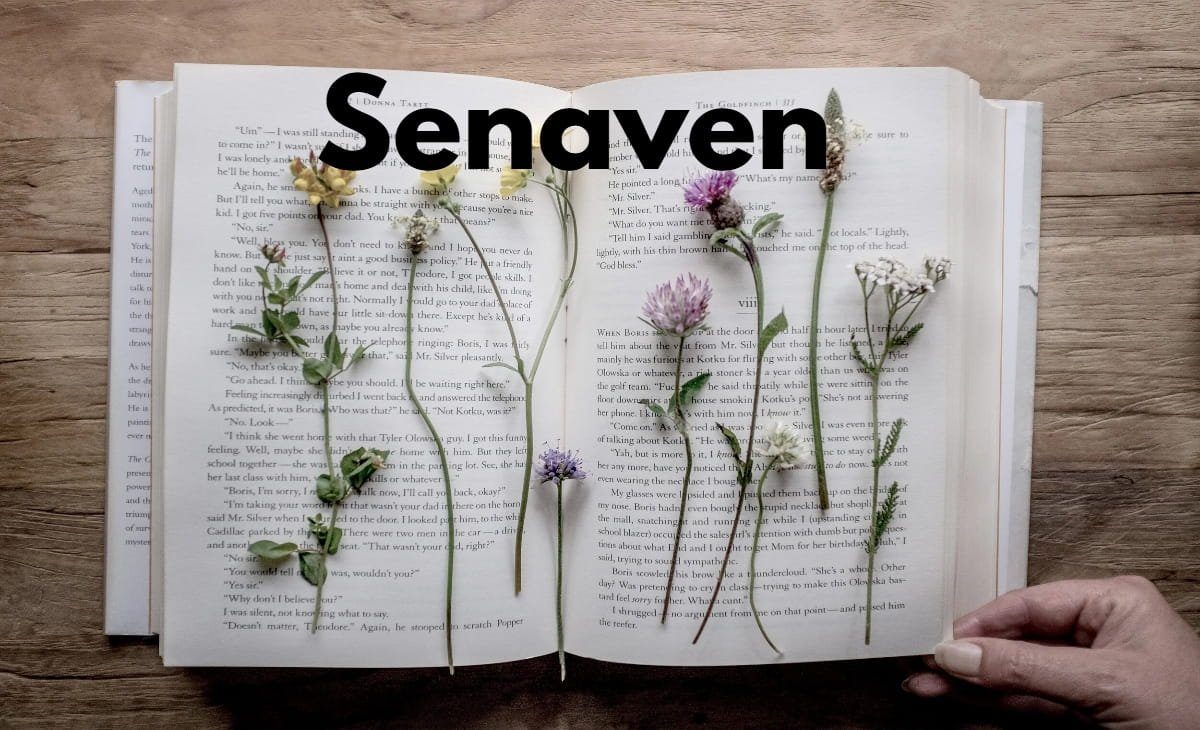
If you’ve ever tried pressing flowers in a book and ended up with brown, curled petals, you’ve already discovered the biggest truth: a proper flower press—and the right technique—makes all the difference.
Search trends in 2026 show people aren’t just looking for what a flower press is—they want to know:
- which flower press kit to buy
- how to make a flower press DIY
- what flower press paper actually works
- and how to get professional-quality results at home
This guide is built to fully answer that intent. Whether you’re buying your first press, making one, or trying to improve your results, you’ll find everything in one place—practical, tested, and up-to-date.
What Is a Flower Press and Why It Works Better Than Old Methods
A flower press is a tool designed to flatten and dry flowers using controlled pressure and breathable layers. Unlike the book method, which traps moisture, a proper press balances pressure + airflow, allowing flowers to dry slowly without rotting or losing structure.
In real use, the biggest difference you’ll notice is consistency. With a press, petals stay flat, colors remain stronger, and mold risk drops significantly. The tool itself is simple, but the results depend heavily on how well moisture is managed during the process.
Flower Press Kit: What You Actually Need (And What’s Worth Buying)
A flower press kit is the most beginner-friendly way to start because it includes everything needed for proper pressing. Most quality kits come with wooden boards, bolts or straps, blotting sheets, and cardboard layers for ventilation.
When choosing a kit, size matters more than most people realize. A large flower press gives you flexibility for bigger blooms and multiple flowers at once, while smaller presses are better suited for crafts like bookmarks or journaling.
If you’re shopping internationally, you’ll see variations like flower press Kmart (budget-friendly options), flower press NZ (locally available kits in New Zealand), and branded options like a flower press studio kit, which often focuses on aesthetics and premium materials. The core function is the same, but durability and paper quality can vary.
From experience, a mid-range wooden press with replaceable blotting paper is the best long-term investment.
Types of Flower Presses (Which One Should You Choose?)
There are several types available today, and your choice depends on how you plan to use it. Traditional wooden presses remain the most reliable because they provide even pressure and last for years. Microwave presses have become popular for speed, allowing flowers to dry in minutes, but they require careful monitoring to avoid burning or fading.
Decorative mini presses are trending for gifting and crafting, but they limit flower size. DIY presses are also widely used and can perform just as well as commercial ones if built correctly.
For most people, a standard wooden press or a well-made DIY version delivers the best balance of quality, cost, and control.
How to Use a Flower Press Properly (Step-by-Step That Actually Works)
Using a flower press correctly starts before the flowers even go inside. Always pick blooms when they are dry—mid-morning is ideal because dew has evaporated but the flowers are still fresh.
Preparation is where many beginners go wrong. Thick stems and bulky flowers hold excess moisture, so trimming and sometimes slicing blooms (like roses) is necessary. Once placed in the press, flowers cannot be repositioned, so arranging them carefully is essential.
Layering inside the press must follow a breathable structure: cardboard, blotting paper, flower, blotting paper, and cardboard again. This allows moisture to escape while keeping the flower flat.
Tightening should be gradual and even. One of the most overlooked steps is replacing the blotting paper after a few days, especially for thicker flowers. This dramatically improves color and prevents browning.
The press should be stored in a warm, dry environment. In humid regions, using an air-conditioned room or adding silica packets nearby can make a noticeable difference. Drying typically takes between one to three weeks depending on the flower.
Flower Press DIY: How to Make One at Home (That Actually Works)
A flower press DIY setup is surprisingly effective if built correctly. You only need two flat wooden boards, bolts or straps, cardboard, and absorbent paper.
The key isn’t the materials—it’s the structure. Airflow layers (cardboard) and absorbent sheets are what prevent mold. Many DIY attempts fail because people skip ventilation and rely only on pressure.
A well-built DIY press can match commercial kits in performance. If you plan to press flowers regularly, upgrading to higher-quality blotting paper will make a bigger difference than upgrading the wood itself.
Flower Press Paper: The Most Underrated Factor
If there’s one thing that separates average results from professional ones, it’s flower press paper.
Blotting paper or acid-free paper is designed to absorb moisture evenly without sticking to petals. Regular tissues or paper towels may seem convenient but often cause uneven drying and color loss.
High-quality paper also helps preserve pigment, especially for delicate flowers. Replacing damp sheets during the drying process is one of the simplest ways to improve results immediately.
Best Flowers for Pressing (And What to Avoid)
Some flowers naturally press better because they contain less water and have flatter structures. Thin flowers like pansies, daisies, and ferns tend to give the most reliable results.
Thicker flowers such as roses or tulips can still be pressed but require extra preparation, like slicing or longer drying times. Very fleshy plants, such as succulents, rarely press well because they retain too much moisture and often rot before drying properly.
In practice, choosing the right flower can save more time than any technique.
Common Mistakes That Ruin Pressed Flowers
Many people assume pressing is just about tightening the boards and waiting, but small mistakes can completely ruin the outcome.
- Using flowers with surface moisture often leads to mold
- Overcrowding prevents proper airflow
- Not changing paper traps moisture inside
- Storing the press in humid rooms slows drying
- Opening too early causes warping
Fixing these issues usually improves results immediately without needing better equipment.
Flower Press vs Other Methods (What’s Actually Better?)
Pressed flowers are best for flat decorative uses like frames, cards, and crafts. Air drying preserves shape but leads to curling and shrinkage. Silica gel drying keeps flowers three-dimensional but is more expensive and less beginner-friendly. Microwave methods are fast but require precision to avoid damaging the flowers.
For most home uses, pressing remains the most reliable and cost-effective method.
Practical Uses at Home (Why Flower Pressing Is Trending Again)
Pressed flowers are increasingly popular due to eco-friendly and handmade décor trends. They’re being used in wall art, resin crafts, bookmarks, phone cases, and even wedding keepsakes—especially when incorporated into cozy bedroom styling ideas and personalized wall decor.
What makes them appealing is their ability to create personalized décor at a very low cost, making them a perfect fit for budget-friendly home decor ideas that still look stylish and unique, especially compared to store-bought artwork.
Storage, Maintenance, and Long-Term Care
Even perfectly pressed flowers can deteriorate if not stored properly. Moisture and sunlight are the biggest enemies. Keeping flowers in airtight containers with silica packets helps maintain dryness, while UV-protective glass prevents fading when displayed.
A good flower press itself requires minimal maintenance. Replacing paper and keeping it dry is usually enough to ensure long-term use.
Advanced Insights Most Guides Don’t Tell You
One of the biggest lessons from real experience is that humidity matters more than pressure. Even the best press will fail in a damp environment. Managing the surrounding air—through ventilation or air conditioning—makes a huge difference.
Another overlooked factor is timing. Pressing flowers immediately after picking helps preserve color, while delays often lead to dull results. Letting flowers rest briefly before pressing can also reduce surface moisture and improve drying.
Lastly, patience is critical. Rushing the process, especially by opening the press too early, is one of the most common reasons for disappointing results.
FAQs
What is the best flower press kit for beginners?
A medium-sized wooden press with quality blotting paper is ideal. Avoid very cheap kits with thin boards or low-quality paper.
Can I make a flower press at home?
Yes, a DIY flower press works well if it includes proper airflow layers and absorbent paper.
What paper is best for flower pressing?
Blotting paper or acid-free paper performs best. Avoid regular tissue or kitchen paper.
How long does flower pressing take?
Usually between one to three weeks, depending on flower thickness and humidity.
Why are my pressed flowers losing color?
This usually happens due to excess moisture, slow drying, or exposure to sunlight.
Are large flower presses better?
Large presses are more versatile and allow multiple flowers, but they require more space and careful layering.
Expert Advice (Based on Real Use)
After working with different presses and climates, one thing stands out: results improve more from technique than tools. Even a basic press can produce excellent results if moisture is controlled, paper is replaced on time, and flowers are chosen carefully.
For beginners, focusing on simple flowers and mastering the process is far more effective than investing in expensive kits right away.
Conclusion: What Actually Makes Flower Pressing Successful
A flower press is simple, but getting perfect results depends on understanding how drying really works. The balance between airflow, pressure, and moisture control determines everything.
If you focus on proper preparation, use good-quality paper, and keep humidity in check, you can consistently create vibrant, long-lasting pressed flowers—whether using a premium kit or a DIY setup.
In the end, it’s not about having the most expensive flower press—it’s about using it the right way.