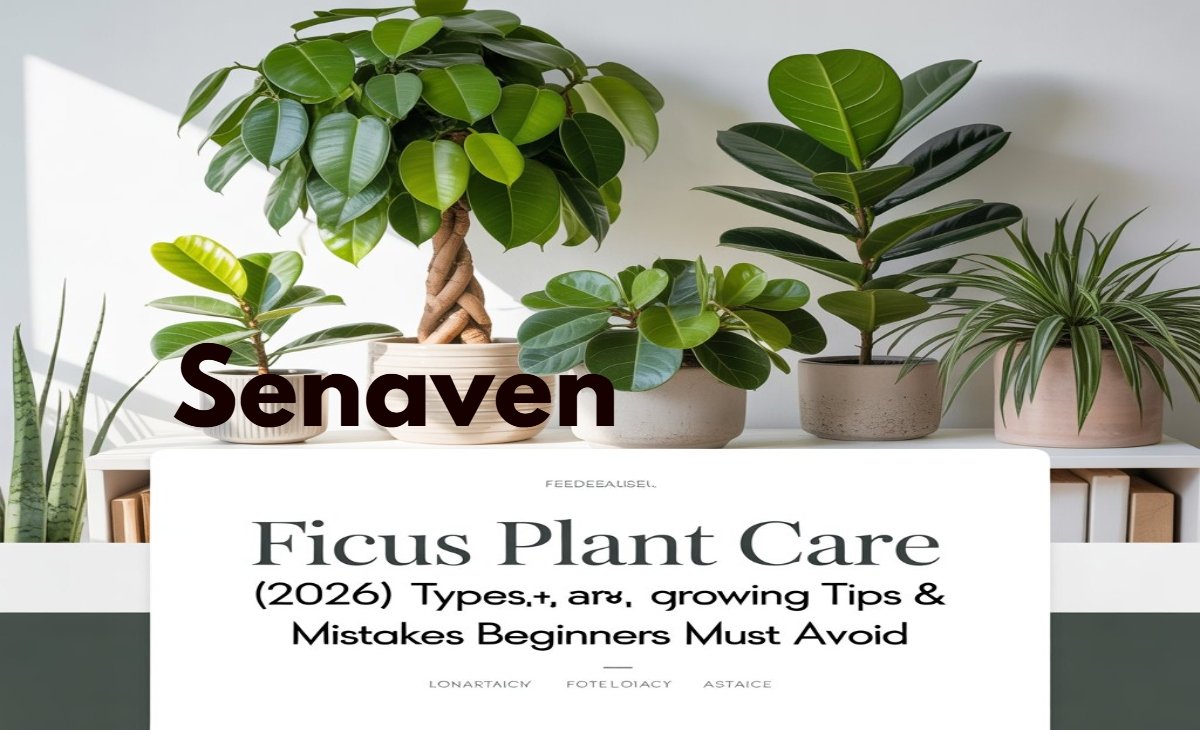
Ficus Plant Care (2026): Types, Growing Tips & Mistakes Beginners Must Avoid
Ficus plants are everywhere—from living rooms and offices to outdoor gardens—but many people struggle to keep them healthy. The most common issue? Leaf drop, slow growth, or sudden decline without any clear reason.
The truth is, It plants aren’t difficult—they’re just sensitive to their environment. Once you understand how different types behave and what they actually need, caring for them becomes simple and predictable.
This guide is designed to fully answer everything people search about It, including types like ficus benjamina, ficus elastica, It religiosa, and more—so whether you’re a beginner or plant lover, you’ll find practical, real-world solutions here.
What Is a Ficus Plant?
The term It refers to a large genus of plants in the fig family. These plants range from small indoor houseplants to massive outdoor trees. That’s why many beginners get confused—because care can vary depending on the type.
Some plants are grown for decoration indoors, while others like It carica (common fig) are grown for fruit. Similarly, species like ficus religiosa and It benghalensis are large trees commonly found outdoors in South Asia.
Understanding the type of It you have is the first step to proper care.
Popular Types of Ficus Plants (Indoor & Outdoor)
Ficus Benjamina (Weeping Fig)
This is one of the most common indoor It plants. It has small, glossy leaves and a tree-like shape. However, it’s also known for dropping leaves when moved or stressed, which makes it slightly challenging for beginners.
Ficus Elastica (Rubber Plant)
It’s more tolerant than other types and is often recommended for beginners, especially when compared to other low-maintenance indoor plants for beginners because it adapts better to indoor conditions.
Ficus Microcarpa (Ginseng It)
Commonly used as a bonsai plant, this variety has thick roots and a compact appearance. It’s relatively low-maintenance and works well in small spaces.
Ficus Lyrata (Fiddle Leaf Fig)
Known for its large violin-shaped leaves, this plant is visually striking but requires consistent care. It needs stable light and watering to thrive.
Ficus Religiosa (Peepal Tree)
A sacred tree in many cultures, this grows very large and is best suited for outdoor environments. It cannot thrive indoors long-term due to its size and growth needs.
Ficus Benghalensis (Banyan Tree)
Another massive outdoor tree, famous for its aerial roots and wide canopy. It’s not suitable for indoor growing but is commonly seen in parks and open spaces.
Ficus Pumila (Creeping Fig)
Unlike tree-like It varieties, this one is a vine. It’s often used for walls, fences, or hanging baskets. It grows quickly and needs regular trimming.
Ficus Carica (Common Fig Plant)
This is the fruit-bearing fig tree. It can be grown outdoors or in large containers and requires plenty of sunlight to produce fruit.
Best Growing Conditions for Ficus Plants
Light Requirements for Ficus Plants
It plants generally prefer bright, indirect light. Indoor varieties like ficus elastica and ficus benjamina grow best near a window where they receive filtered sunlight. Too little light results in slow growth and leaf drop, while harsh direct sunlight can burn leaves.
A common real-life mistake is placing a ficus in a dark corner thinking it’s “low-maintenance.” In reality, most It plants need consistent light to stay healthy.
How Often to Water a Ficus Plant
One of the most searched questions is how often to water a ficus plant. The answer depends on soil dryness, not a fixed schedule. It plants prefer slightly dry conditions between watering.
Overwatering is the biggest reason It plants die. If the soil stays constantly wet, roots begin to rot, leading to yellow leaves and eventual plant decline. On the other hand, letting the soil dry slightly encourages stronger root growth.
Temperature and Humidity Needs
It plants prefer stable indoor temperatures between 18–26°C. Sudden changes—like moving the plant near an air conditioner or heater—can shock it and cause leaf drop.
They can tolerate normal indoor humidity, but slightly higher humidity helps keep leaves healthy and prevents browning edges.
Best Soil for Ficus Plants
It plants need well-draining soil. Heavy soil that holds water for too long leads to root problems. A good mix usually includes regular potting soil with added perlite or sand to improve drainage.
How to Care for Ficus Plants (Step-by-Step Guide)
Start by choosing a permanent location with good light, because It plants do not like being moved frequently. Once placed, try to keep conditions consistent.
Water the plant only when the top layer of soil dries out. This prevents both overwatering and underwatering issues, which are common in similar indoor plant care routines. Cleaning the leaves regularly helps the plant absorb more light, which directly improves growth.
Pruning is also important, especially for indoor varieties. Removing dead or damaged leaves allows the plant to focus energy on healthy growth. Over time, pruning helps maintain shape and encourages a fuller appearance.
Common Ficus Problems and Practical Solutions
Why Is My Ficus Dropping Leaves?
Leaf drop is the most common issue and one of the top Google searches related to care. This usually happens when the plant experiences stress—such as a change in location, watering inconsistency, or temperature fluctuations.
In most cases, the solution is patience. Once conditions stabilize, new leaves will grow back.
Ficus Leaves Turning Yellow
Yellow leaves are usually a sign of overwatering or poor drainage. When roots sit in water for too long, they become damaged, which affects the entire plant.
Allowing the soil to dry and improving drainage usually fixes this issue.
Brown Tips or Edges on Leaves
This problem often occurs due to low humidity, inconsistent watering, or salt buildup from tap water. Using filtered water and maintaining a steady watering routine can help prevent it.
Slow Growth or No Growth
If your ficus isn’t growing, it’s often due to insufficient light or lack of nutrients. Moving the plant to a brighter spot and feeding it during the growing season can improve growth significantly.
Ficus Plant Care Mistakes to Avoid
- Overwatering the plant, which leads to root rot
- Moving the plant frequently, causing stress and leaf drop
- Keeping it in low light conditions for long periods
- Using pots without proper drainage
- Expecting fast growth without proper care
Expert Tips for Healthy Ficus Growth
- Rotate the plant occasionally so all sides get light evenly
- Use room-temperature water to avoid shocking the roots
- Fertilize during spring and summer for better growth
- Avoid repotting too often, as It prefers slightly root-bound conditions
Expert Advice for Long-Term Ficus Plant Success
It plants thrive on stability more than anything else. The biggest mistake beginners make is changing their environment too often—like moving the plant or adjusting watering frequently—which leads to stress and leaf drop.
Instead of following a fixed schedule, focus on observing your plant. Check the soil before watering and watch for signs like yellow or drooping leaves.
Another key insight is to prioritize root health. Well-draining soil and avoiding overwatering will prevent most common problems.
Finally, be patient. It plants take time to adjust, but with consistent care, they recover and grow well.
Conclusion
It plants are incredibly rewarding once you understand their behavior. The key is consistency—consistent light, watering, and environment.
Whether you’re growing a ficus benjamina indoors, It elastica in your living room, or a ficus religiosa outdoors, the basic principle remains the same: avoid sudden changes and give the plant time to adjust.
With the right care, Its plants can live for years and become a beautiful part of your home or garden.
FAQs
What is the easiest ficus plant for beginners?
It elastica (Rubber Plant) is the easiest because it tolerates indoor conditions better than most other ficus types.
Why is my ficus plant losing leaves after buying it?
This is usually due to environmental change. It plants react to new conditions by dropping leaves temporarily.
Can ficus plants grow indoors without sunlight?
They can survive in low light but won’t thrive. Bright, indirect light is essential for healthy growth.
How do I identify my ficus plant type?
Look at leaf shape, size, and growth pattern. For example, large violin-shaped leaves indicate fiddle leaf fig, while small drooping leaves suggest ficus benjamina.
Is ficus an indoor or outdoor plant?
It depends on the species. Some, like It elastica, are ideal for indoors, while others like It benghalensis and ficus religiosa grow best outdoors.