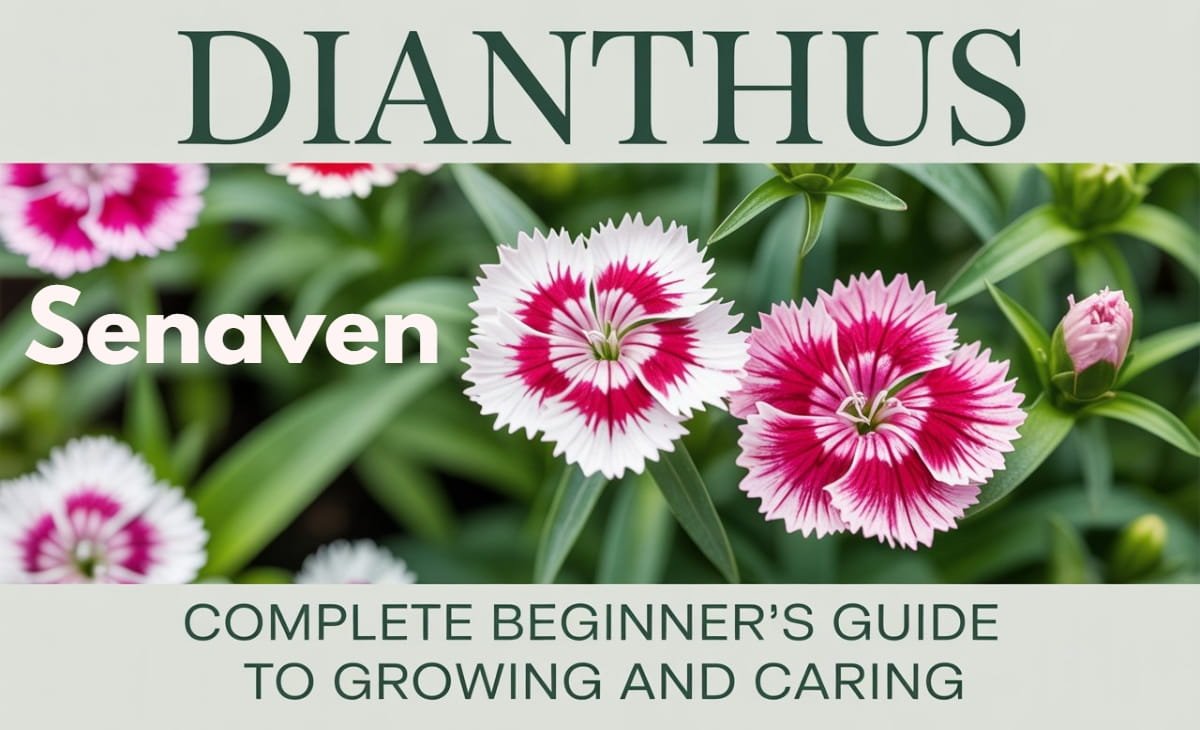
Dianthus: Complete Beginner’s Guide to Growing and Caring
If you’ve ever walked through a garden and noticed a burst of color with a sweet, clove-like fragrance, you’ve probably encountered dianthus. Known as “pinks,” carnations, or sweet williams, dianthus are popular among gardeners for their charming blooms, delightful scent, and surprisingly low-maintenance care. For homeowners and gardening beginners, understanding what dianthus are, how to plant them, and how to keep them thriving is essential for creating a beautiful, fragrant garden that stands out. In this guide, you’ll learn everything from planting and care to common mistakes and expert tips, so your dianthus can flourish all year round.
What Is Dianthus?
It is a genus of flowering plants in the Caryophyllaceae family, native to Europe and Asia. The name comes from the Greek words dios (divine) and anthos (flower), meaning “divine flower.” These plants are prized for their fragrance, delicate petals, and wide variety of colors, including pink, red, white, and purple. Depending on the species, dianthus can range from 6 inches to 2 feet tall, and while most are perennial, some are biennial or annual. Versatile in placement, It thrive in flower beds, borders, rock gardens, containers, and even window boxes, making them a favorite for both indoor and outdoor gardening.
Benefits of Growing Dianthus
- Aesthetic appeal: Their vibrant colors instantly enhance garden spaces.
- Fragrance: Many varieties release a sweet, clove-like scent that improves patios, walkways, and even indoor areas.
- Low maintenance: Once established, dianthus are hardy and drought-tolerant.
- Pollinator-friendly: Bees and butterflies are naturally attracted, promoting biodiversity.
- Versatility: Suitable for cut flowers, borders, and container gardening.
Planting dianthus near patios or windows allows homeowners to enjoy their fragrance daily without extra effort, making them a practical and beautiful addition to any home garden.
How to Grow Dianthus: Step-by-Step
Choosing the right variety is the first step. It caryophyllus, commonly known as carnations, are ideal for tall cut flowers. Sweet William, or Dianthus barbatus, produces clustered blooms perfect for borders, while garden pinks (Dianthus plumarius) are compact and highly fragrant, ideal for rock gardens or edging.
When selecting a planting location, aim for full sun exposure and well-draining soil. Dianthus prefer slightly elevated beds that allow air circulation to prevent fungal diseases. Preparing the soil involves loosening it to a depth of 12–15 inches, incorporating organic compost for fertility, and maintaining a slightly alkaline to neutral pH of 6.0–7.5.
Plant seeds indoors six to eight weeks before the last frost for stronger seedlings, or transplant ready plants directly into your garden. Space them 6–12 inches apart depending on the variety, water lightly, and mulch to retain soil moisture. Regular watering, balanced fertilization, and occasional pruning will keep your dianthus healthy, encouraging vibrant blooms throughout the season.
Common Mistakes in Growing Dianthus (And How to Avoid Them)
- Planting in poorly draining soil, which can cause root rot.
- Overcrowding plants, leading to reduced airflow and increased disease risk.
- Ignoring deadheading; removing spent flowers encourages additional blooms.
- Overfertilizing, which promotes foliage over flowers.
- Neglecting winter protection; mulch lightly in frost-prone areas.
By avoiding these mistakes, gardeners can maximize bloom quality, fragrance, and plant longevity.
Practical Maintenance Tips
To maintain healthy dianthus, prune plants after flowering to encourage a second bloom and maintain shape. Be alert for pests like aphids, spider mites, and slugs, and manage them with organic sprays when necessary. It can also be propagated through cuttings or division every two to three years. For container-grown plants, ensure proper drainage and rotate them occasionally for even sunlight exposure. Slightly crowded plants with good airflow tend to produce stronger, more fragrant blooms, so avoid excessive trimming or spacing. It can also be propagated through cuttings or division every two to three years. For those who enjoy preserving blooms, learning how to create perfectly pressed flowers is a fun way to extend the life of your dianthus.
Dianthus in Indoor and Outdoor Spaces
It adapt well to indoor and outdoor environments. Indoors, they thrive in containers placed near sunny windows with well-draining soil. Outdoors, they can be used to add visual depth alongside roses, lavender, or ornamental grasses. Sweet-smelling varieties are particularly effective near walkways and patios, providing a natural fragrance corridor. For homeowners seeking a balance of beauty and practicality, planting dianthus in high-traffic areas ensures daily enjoyment of their scent without additional work.
Alternatives and Comparisons
If dianthus are not suitable for your garden, other options include lavender, geraniums, or pansies. Lavender is fragrant and attracts pollinators but requires more sunlight. Geraniums offer long blooms and vibrant colors but need more frequent watering. Pansies are bright and easy to grow but are less drought-tolerant than It. Each alternative has its benefits, but dianthus remain one of the easiest, most fragrant, and versatile choices for beginner gardeners. If dianthus are not suitable for your garden, other options include lavender, geraniums, pansies, or other flowering plants like marigold that can bring vibrant colors and similar care requirements.
Expert Advice and Best Practices
For optimal growth, consider companion planting with roses, lavender, or ornamental grasses to create layered visual effects. Conduct a soil pH test to ensure slightly alkaline to neutral conditions. Plant fragrant varieties near pathways, patios, or windows to naturally enjoy their scent. Prioritize sustainable gardening practices, using natural pest control methods rather than chemical pesticides. Slightly crowded plants with good airflow produce stronger, more vibrant blooms, so avoid excessive spacing or over-trimming.
FAQs About Dianthus
Can dianthus grow indoors?
Yes, in sunny windows and well-draining pots.
When do dianthus bloom?
Late spring to early summer; deadheading can encourage rebloom.
Can I plant seeds directly outdoors?
Yes, but indoor seedlings grow stronger.
How often should I water dianthus?
About 1–2 times per week; let soil dry slightly between watering.
How do I protect dianthus in winter?
Apply light mulch and ensure soil is well-drained.
Conclusion
Dianthus are colorful, fragrant, and low-maintenance flowers that bring beauty and sensory delight to any garden or indoor space. By following proper planting, care, and seasonal maintenance, homeowners can enjoy thriving plants year after year. This guide provides everything from beginner-friendly steps to practical tips, ensuring your dianthus garden not only survives but flourishes.