Wire Rack Explained: Smart Storage, Cooking Uses, and Practical Solutions for Every Space
A wire rack might look simple, but it solves multiple everyday problems—from messy kitchens and overcrowded closets to uneven baking results. Many people buy one for a single purpose, only to realize it can handle much more.
If you’ve searched for things like wire rack for baking, wire rack shelving, or wire rack for closets, you’re likely trying to make your space more efficient or improve how you cook. This guide brings everything together in one place—so you don’t have to piece information from multiple sources.
By the end, you’ll know exactly how to choose, use, and get the most out of a wire rack in every part of your home.
What Is a Wire Rack and Why Do People Use It?
It is a metal grid structure designed for airflow, support, and organization. Its open design is what makes it so useful—it allows air, heat, and visibility in ways solid shelves simply can’t.
In practical terms, that means better cooling for baked goods, less moisture buildup in storage areas, and easier access to your belongings. This combination of functionality and simplicity is why wire racks are used in kitchens, closets, garages, and even offices.
Wire Rack for Cooking and Baking: Why It Matters
If you’ve ever wondered why recipes mention a wire rack for baking, it’s not just a suggestion—it directly affects your results.
It for oven use allows heat to circulate evenly around food. This is especially important when roasting meat or baking items like cookies and cakes. Without proper airflow, the bottom can become soggy while the top overcooks.
For baking specifically, a wire rack for baking sheet setups helps in two ways. First, it can elevate food above grease or moisture, making it crispier. Second, after baking, transferring items to a rack allows them to cool evenly, preventing condensation from ruining texture.
In everyday cooking, they are also used for draining fried food, resting grilled meat, or even air-drying ingredients. Once you start using one regularly, it quickly becomes a kitchen essential rather than an optional tool.
Wire Rack Shelving: A Practical Storage Upgrade
When it comes to organization, wire rack shelving offers a flexible and affordable alternative to traditional cabinets.
Unlike solid shelves, a wire rack shelf keeps things visible and ventilated. This is particularly helpful in kitchens where food storage needs airflow, or in garages where moisture can damage items over time.
A well-placed shelving unit can transform an empty wall or corner into a highly functional storage zone, especially when combined with smart storage solutions for cabinets and every room. For example, in a small apartment kitchen, a vertical wire rack can hold appliances, pantry items, and utensils without making the space feel cramped.
Using Wire Racks in Closets for Better Organization
Closets often become cluttered because they lack structure, but wire closet shelving systems for better organization can completely transform how you organize your space. A wire rack for closets solves this by creating clear zones for different items.
Instead of stacking clothes in unstable piles, wire shelves allow you to separate folded garments, accessories, and shoes. The open design also makes it easier to see everything at a glance, which reduces the time spent searching for items.
In smaller closets, vertical wire racks maximize unused space, especially when combined with hanging rods. This simple upgrade can double your usable storage without requiring a full renovation.
Wire Rack Covers and Shelf Liners: Are They Necessary?
One common concern with wire racks is the gaps between the wires. Smaller items can tip over, and surfaces may not feel stable. This is where a wire rack cover or Its shelf covers become useful.
These covers create a flat, solid surface on top of the rack while still maintaining the structure underneath. In kitchens, they help stabilize jars and containers. In closets, they prevent delicate fabrics from snagging. In offices, they make it easier to store smaller items like stationery.
While not always required, adding covers significantly improves usability, especially if you plan to store small or fragile items.
How to Choose the Right Wire Rack for Your Needs
Choosing the right wire rack depends on how you plan to use it. For cooking, you’ll need a rack that fits your oven and can withstand high temperatures. For storage, size and weight capacity become more important.
Start by measuring your available space and thinking about what you’ll store. A compact rack might work for kitchen counters, while a taller unit is better for garages or closets. Material also matters—coated racks resist rust and are better for humid environments like bathrooms.
Adjustability is another key factor. Being able to change shelf height makes the rack more versatile over time, especially as your storage needs evolve.
Real-Life Ways to Use a Wire Rack at Home
In a typical home, a wire rack often ends up being used in multiple ways over time. Someone might initially buy it as a wire rack for baking, then start using it to cool fried food, and eventually repurpose it for storage.
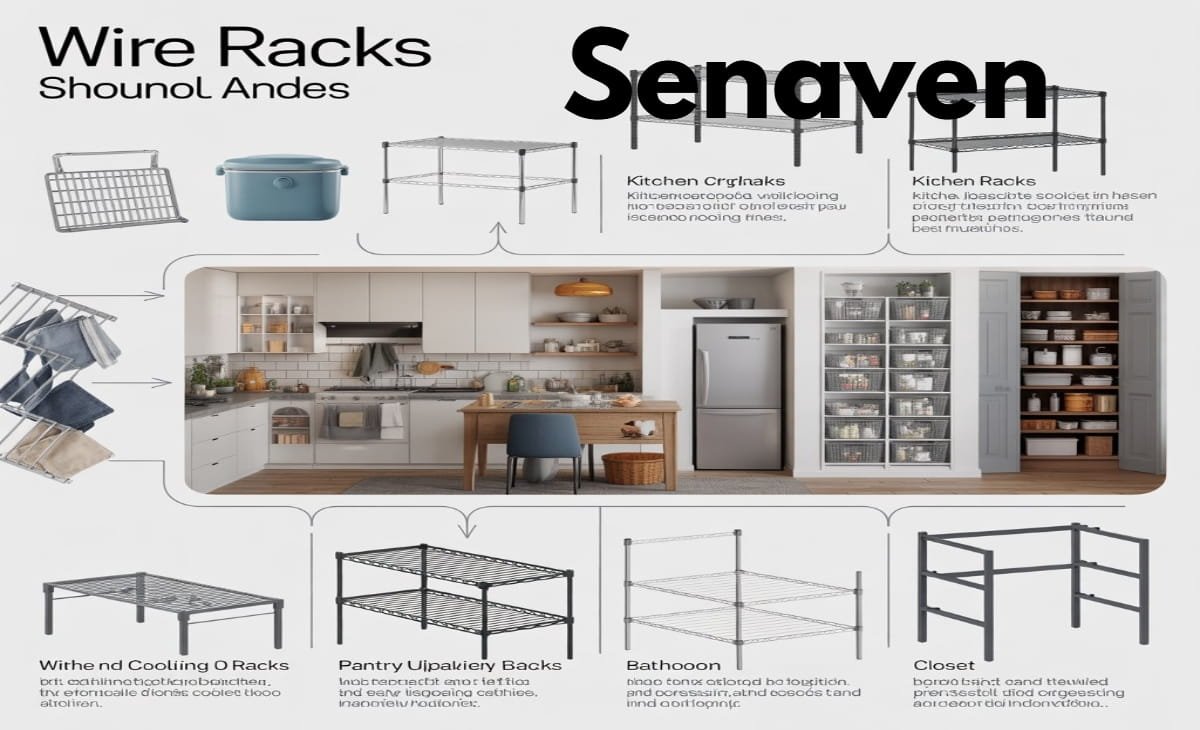
In kitchens, it can organize spices, hold appliances, or improve cooking results. In bedrooms, it keeps clothes and accessories tidy. In garages, it handles tools and seasonal items. Even in bathrooms, it provides moisture-resistant storage for towels and toiletries.
This adaptability is what makes wire racks such a smart investment—they grow with your needs instead of becoming obsolete.
Pros and Cons of Using Wire Racks
They offer several clear advantages that make them a go-to solution for both storage and cooking:
- Affordable and widely available
- Excellent airflow for food and storage
- Lightweight and easy to move
- Adjustable and versatile across different rooms
However, they’re not perfect. The open design can make small items unstable without covers, and they may not match every interior style. In some cases, lower-quality racks can wobble if not assembled properly or if overloaded.
Understanding these trade-offs helps you use them more effectively and avoid common frustrations.
Common Mistakes to Avoid
Many people don’t get the full benefit of a wire rack simply because of small, avoidable mistakes:
- Using the wrong type of rack for cooking or oven use
- Ignoring weight limits, which can lead to bending or instability
- Skipping shelf covers when storing small items
- Placing racks in humid areas without rust-resistant coating
Avoiding these issues ensures your wire rack performs well and lasts longer.
Expert Advice for Getting the Most Out of Wire Racks
Experts recommend using a wire rack with a clear purpose first, then expanding its use as you understand your space better. In kitchens, always place heavier items on lower shelves for balance, and ensure your wire rack for baking sits on a stable surface for even cooling and better airflow.
For storage, adding simple liners or wire rack shelf covers can improve stability and make it easier to organize smaller items. Avoid overloading the rack, even if it feels strong, and choose coated racks for humid areas like bathrooms to prevent rust. When used correctly, It becomes a flexible and long-lasting solution for both storage and cooking.
Conclusion
It is more than just a simple shelf or kitchen tool—it’s a multi-purpose solution that improves both organization and functionality. Whether you need better baking results, smarter storage, or a way to declutter your space, the right wire rack can make a noticeable difference.
Instead of treating it as a one-time purchase, think of it as a flexible system that can adapt to different needs over time. With the right setup, even a small change like adding It can completely transform how your home works.
FAQs
Can I use a It in the oven safely?
Yes, as long as it’s designed for oven use and made from heat-resistant materials like stainless steel.
What is the purpose of a wire rack for baking?
It allows air to circulate around baked goods, helping them cook evenly and cool properly without becoming soggy.
Do I need covers for wire rack shelves?
Not always, but they are helpful for storing small or delicate items and creating a more stable surface.
Are wire racks strong enough for heavy storage?
Heavy-duty wire rack shelving units can hold significant weight, but it’s important to check the manufacturer’s capacity.
How do I organize a closet using a It?
Use shelves for folded clothes, dedicate sections for accessories, and combine with hanging space to maximize storage efficiency.