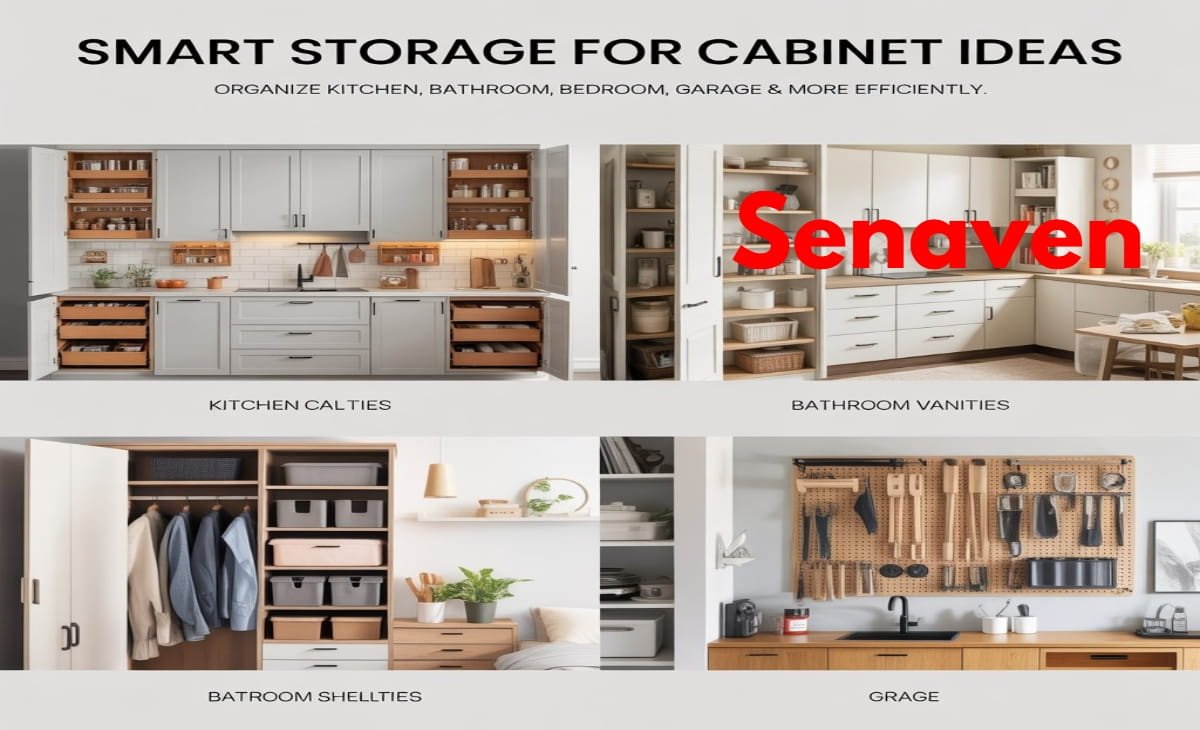
Smart Storage for Cabinet Ideas: Organize Kitchen, Bathroom, Bedroom, Garage & More Efficiently
Storage for cabinet exist in almost every part of the home, but most people don’t use them efficiently. Whether it’s your kitchen, bathroom, bedroom, garage, or living room, clutter builds up quickly when cabinet space is not properly organized.
The right storage for cabinet solutions can completely transform how your home functions. Instead of struggling to find things, you create a system where everything has its place—clean, simple, and easy to maintain.
In this guide, we’ll break down practical storage ideas for every type of cabinet in your home, so you can maximize space without expensive renovations.
Understanding Storage for Cabinet in Modern Homes
Modern homes rely heavily on cabinets for storage, but most standard cabinets are not designed for maximum efficiency. The real problem is wasted vertical space, poor categorization, and lack of internal organization tools.
Improving storage for cabinets is not about buying more space—it’s about using what you already have in a smarter way.
Storage for Cabinet Kitchen (Most Important Area)
Kitchen cabinets are usually the most overloaded storage spaces in any home. Plates, spices, groceries, utensils, and appliances all compete for space.
The best way to improve storage for cabinet kitchen areas is by combining visibility and accessibility. Deep cabinets should not become “hidden zones.” Instead, use layered organization so every item is reachable.
For example, stacking shelves can help separate plates from bowls, while pull-out trays can make pots and pans easier to access. Spices should always be stored in front-facing racks or door-mounted holders so you can quickly find what you need while cooking.
The goal in kitchen cabinet storage is simple: reduce movement, improve access, and avoid clutter stacking.
Storage for Cabinet Doors (Hidden but Powerful Space)
Cabinet doors are often ignored, but they offer valuable extra storage potential. This space works especially well in kitchens and bathrooms.
Instead of leaving cabinet doors empty, you can use slim racks or adhesive organizers to store small items. In kitchens, this is perfect for spices, foil, or cleaning sprays. In bathrooms, it works well for toiletries and grooming items.
The key is to keep door storage lightweight so it doesn’t affect how the cabinet closes or opens.
Storage for Cabinet Drawers (Better Organization Inside)
Cabinet drawers can quickly become messy if items are thrown in without structure. The best approach is internal division.
Instead of one large space, drawers should be divided into sections using organizers or small containers. Kitchen drawers can hold cutlery, cooking tools, and napkins separately. Bathroom drawers can store skincare, makeup, and grooming essentials in neat compartments.
This method improves visibility and saves time during daily use because everything has a defined place.
Storage for Cabinet Living Room
Living room cabinets often store mixed items like books, electronics, décor, and miscellaneous household objects. The challenge here is maintaining a balance between storage and appearance.
Closed cabinets should be used for clutter items, while open shelves should display only organized or decorative pieces. Baskets and boxes work well inside living room cabinets because they hide mess while keeping items grouped.
A well-organized living room cabinet creates a cleaner and more premium-looking space overall. Cabinets alone are not always enough for full organization, especially in small spaces. Adding smart storage racks for home organization helps you use extra space better and keep things neatly arranged.
Storage for Cabinet Bathroom
Bathroom cabinets are usually small but highly functional. They store daily-use items like towels, toiletries, cleaning products, and personal care items.
Because moisture is a factor, storage solutions should be simple and easy to clean. Clear bins and vertical dividers work especially well here. You can separate skincare, oral care, and cleaning supplies into different sections to avoid confusion.
The biggest mistake in bathroom cabinets is overstuffing. Keeping only essentials inside helps maintain hygiene and order.
Storage for Cabinet Bedroom & Clothes
Bedroom cabinets, especially wardrobes, are primarily used for clothes storage. The biggest issue here is stacking clothes without structure.
To improve it bedroom areas, clothes should be categorized—such as daily wear, formal wear, and seasonal clothing. Folding techniques and vertical storage methods help maximize space.
For wardrobes, using dividers or hanging organizers prevents clothes from piling up and wrinkling. Shoes, bags, and accessories should also have dedicated zones inside the cabinet.
Storage for Cabinet Garage
Garage cabinets are often used for tools, hardware, cleaning supplies, and seasonal items. Because these items vary in size, flexible storage is important.
Heavy-duty shelving works best for garage cabinet storage. Smaller tools should be grouped in labeled boxes, while larger items can be stored on lower shelves for safety.
The key principle in garage storage is durability and clear labeling, so items can be found quickly when needed.
Storage for Cabinet Doors (Extra Efficiency Tip)
In addition to kitchen use, cabinet doors can also be used in bedrooms and bathrooms for lightweight storage. This includes accessories, small grooming tools, or everyday essentials.
However, overloading cabinet doors should be avoided to maintain durability and smooth movement.
Pro Tips for Better Cabinet Storage Across All Rooms
A good cabinet system is not built once—it is maintained over time. Regular decluttering helps prevent buildup of unused items. Another important habit is grouping similar items together instead of mixing categories.
Also, using transparent containers improves visibility and reduces unnecessary searching. The simpler your system, the easier it is to maintain long-term.
Good cabinet storage depends a lot on smart planning and layout. If you want to improve your setup or redesign your space, these smart cabinet design and storage ideas can help you make your home more organized and functional.
Expert Advice for Long-Lasting Cabinet Organization
Most cabinet systems fail not because of space, but because they are too complicated to maintain. The key is to keep things simple and practical.
A good storage for cabinet setup should focus on clear categories, easy access, and avoiding overfilling. If items are hard to put back, clutter will return quickly.
The best approach is to organize based on your daily routine, not just appearance. When your system matches how you actually live, it stays clean and useful for a long time.
Conclusion
Effective storage for cabinet solutions are not limited to one room—they apply to every area of your home. Whether it’s kitchen, bathroom, bedroom, garage, or living room cabinets, the goal remains the same: better organization, easier access, and less clutter.
By using simple tools like dividers, bins, and door organizers, you can completely transform how your home functions without spending heavily.
Start small, improve one cabinet at a time, and you’ll quickly notice a more organized and stress-free home environment.
FAQs
What is the best storage for cabinet kitchen organization?
Stackable shelves, pull-out trays, and spice racks are the most effective for improving kitchen cabinet space and accessibility.
How can I use cabinet doors for storage?
You can install slim racks or adhesive organizers on cabinet doors to store spices, toiletries, or small cleaning items.
What is the best way to organize cabinet drawers?
Use dividers or small containers to separate items into categories like utensils, makeup, or accessories.
How do I improve storage for cabinet bedroom wardrobes?
Sort clothes by category, use vertical folding, and add hanging organizers to maximize space efficiency.
What should be avoided in cabinet storage?
Avoid overcrowding, mixing unrelated items, and ignoring vertical space, as these reduce efficiency and make organization harder to maintain.