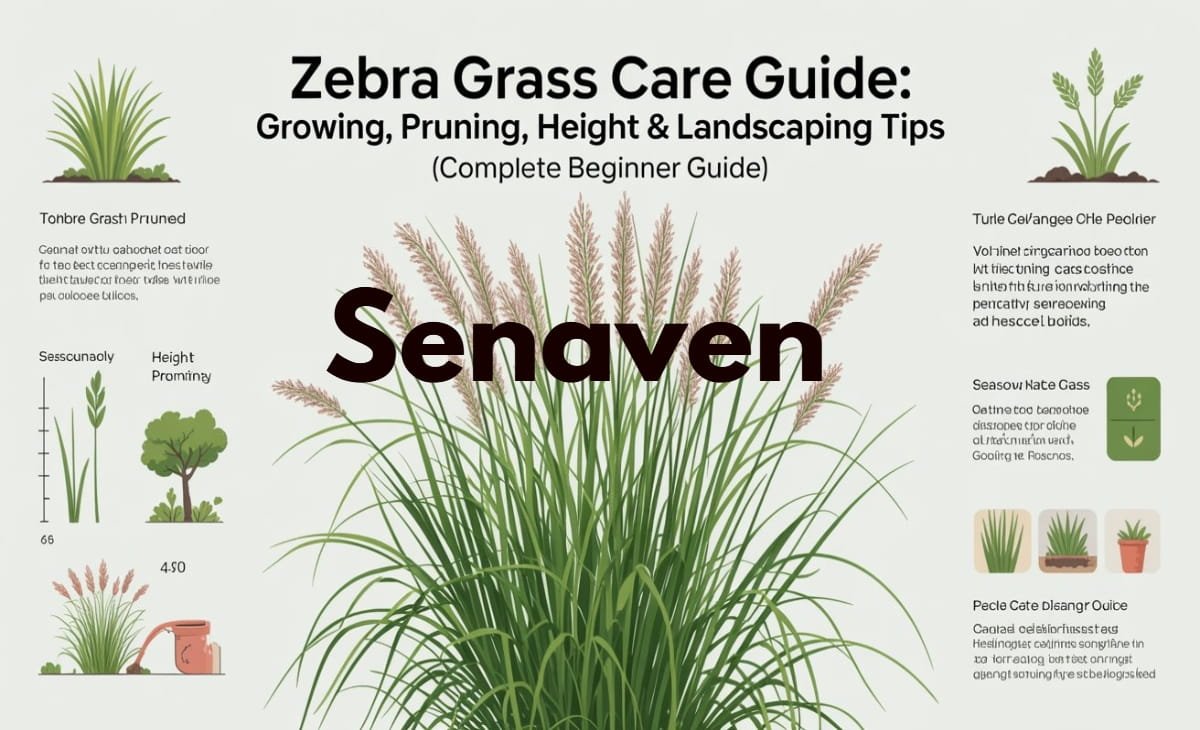
Zebra Grass Care Guide: Growing, Pruning, Height & Landscaping Tips (Complete Beginner Guide)
If you’ve searched for zebra grass, chances are you’re seeing mixed results—some about a tall ornamental plant, others about a popular paint color. That can be confusing, especially if you’re just trying to improve your home or garden.
This guide clears that up completely.
Whether you want to grow zebra grass in your yard, understand its care routine, or explore the trending “zebra grass paint” shade for interiors, this article covers everything in one place—so you don’t have to search multiple pages.
What Is Zebra Grass? (Plant vs Paint Explained)
The term zebra grass refers to two different things depending on context.
In gardening, It is a tall ornamental plant known for its striped leaves and elegant look in landscapes. It’s widely used in lawns, borders, and privacy screens.
In home design, “zebra grass paint” (including shades like zebra grass Glidden) refers to a muted green tone inspired by the plant’s natural color. It’s often used to create calm, earthy interiors.
Understanding this difference helps you quickly find what you actually need—plant care or paint inspiration.
Zebra Grass Care Guide (Complete for Beginners)
It is popular because it looks premium but doesn’t demand constant attention. Still, proper care makes a big difference in how healthy and attractive it becomes.
It grows best in full sunlight, where it can develop strong stems and vibrant striped leaves. If placed in shade, the plant often becomes weak and may bend or lose its signature pattern.
Soil doesn’t need to be perfect, but drainage is important. Wet, soggy soil can damage the roots, while slightly moist, well-draining soil keeps the plant thriving.
Watering is simple. Newly planted zebra grass needs regular watering to establish roots, but once mature, it becomes fairly drought-tolerant. Many beginners make the mistake of overwatering, which actually harms the plant more than occasional dryness.
A light application of compost or balanced fertilizer in spring is enough to support growth. There’s no need for heavy feeding.
Zebra Grass Height, Growth & Space Planning
One of the most searched questions is about zebra grass height, and it’s important to plan for it before planting.
It can grow quite tall—typically reaching between 5 to 8 feet, sometimes even taller in ideal conditions. Its width can expand up to 3 to 6 feet, forming a dense clump.
Because of this size, it works best in open spaces, along boundaries, or as a background plant. In small gardens, it can quickly overpower other plants if not managed properly.
Growth is moderate to fast, especially during spring and summer. Within a couple of years, a small plant can turn into a large, eye-catching feature.
Zebra Grass Pruning: When and How to Cut Back
Pruning is essential to keep it healthy and looking neat. Many users specifically search for “zebra grass when to cut back”, and timing is critical here.
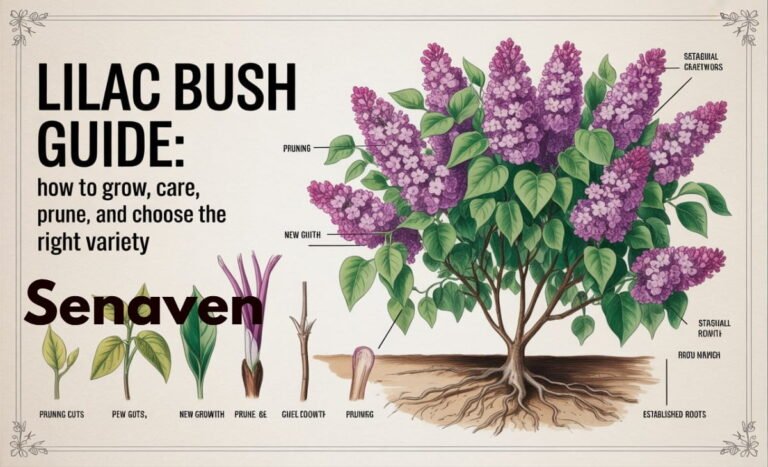
The best time to cut back zebra grass is late winter or very early spring, just before new growth begins. Cutting too early in fall can expose the plant to cold damage.
To prune properly, gather the dry grass into a bundle and cut it down to about 6–12 inches above the ground. This clears away old growth and allows fresh shoots to come in strong.
This simple annual pruning keeps the plant tidy and prevents overcrowding.
Zebra Grass in Winter: What to Expect
During winter, It naturally turns brown and dry. This often worries beginners, but it’s completely normal.
The plant enters dormancy to protect itself from cold weather. The dried foliage actually helps insulate the roots, which is why it’s better to leave it untouched until spring.
Even in colder climates, It usually survives well without extra protection. However, reducing watering and ensuring proper drainage helps prevent root issues during winter months.
Common Problems & Real Solutions
It is low-maintenance, but a few common issues can appear.
If the plant turns brown in summer instead of fall, it may be due to underwatering or extreme heat. Adjusting watering usually fixes this.
If it becomes floppy or falls over, the most common reason is lack of sunlight. Moving it to a sunnier spot or reducing excess fertilizer often solves the problem.
Slow or weak growth typically points to poor soil or overcrowding. Dividing the plant every few years helps maintain its health and size.
Zebra Grass Landscaping Ideas (Practical Use Cases)
It is not just a plant—it’s a design tool that can transform outdoor spaces.
- It works beautifully as a natural privacy screen when planted in rows along boundaries.
- It can act as a focal point in the center of a garden bed due to its height and texture.
- It pairs well with flowering plants like lavender or coneflowers, creating contrast and visual balance.
Its movement in the wind adds a dynamic feel to gardens, something most static plants can’t offer. It is not just a plant—it’s a design tool that can transform outdoor spaces, especially when combined with low-maintenance landscape ideas.
Zebra Grass Paint Color: Interior Design Trend
Alongside gardening searches, many users look for zebra grass paint color, including options like it Glidden.
This shade is typically a soft, earthy green that brings a calming, natural vibe indoors. It’s commonly used in:
- Living rooms for a relaxed atmosphere
- Bedrooms for a soothing effect
- Accent walls to add subtle depth
Unlike brighter greens, It paint tones are muted, making them easier to pair with neutral furniture and wooden textures. It can act as a focal point in the center of a garden bed or be paired with garden structure ideas like arbors for a more defined outdoor layout.
Where to Find Zebra Grass (Plant & Paint)
If you’re planning to buy it, it’s widely available at local nurseries, garden centers, and online plant stores. Availability may vary by season, with spring being the best time to purchase healthy plants.
For paint, brands like Glidden and others offer similar shades under different names. Visiting a local paint store or checking sample swatches is the best way to choose the exact tone for your space.
Pros and Cons of Zebra Grass
Pros
- Easy to grow and beginner-friendly
- Adds height and visual interest
- Works for both landscaping and privacy
- Low maintenance after establishment
Cons
- Can become too large for small spaces
- Needs yearly pruning
- May flop if grown in shade
Conclusion
It is a versatile choice that works both outdoors and indoors—whether you’re growing a tall, elegant plant in your garden or using its inspired paint color inside your home.
With proper sunlight, occasional watering, and simple yearly pruning, it’s a plant that gives long-term results without demanding constant effort. And if you’re exploring design ideas, its soft green paint tone offers a timeless, natural look.
This combination of beauty, practicality, and ease is exactly why zebra grass continues to be a top choice for homeowners and beginners alike.
FAQs
How tall does zebra grass grow?
It typically grows between 5 to 8 feet tall, making it ideal for privacy and background planting.
When should zebra grass be cut back?
It should be cut back in late winter or early spring before new growth starts.
What happens to zebra grass in winter?
It turns brown and goes dormant, which is completely normal. New growth returns in spring.
Is zebra grass easy to care for?
Yes, it’s very beginner-friendly and requires minimal maintenance once established.
What is zebra grass paint color?
It’s a soft green shade inspired by the plant, commonly used in interior design for a calm and natural look.