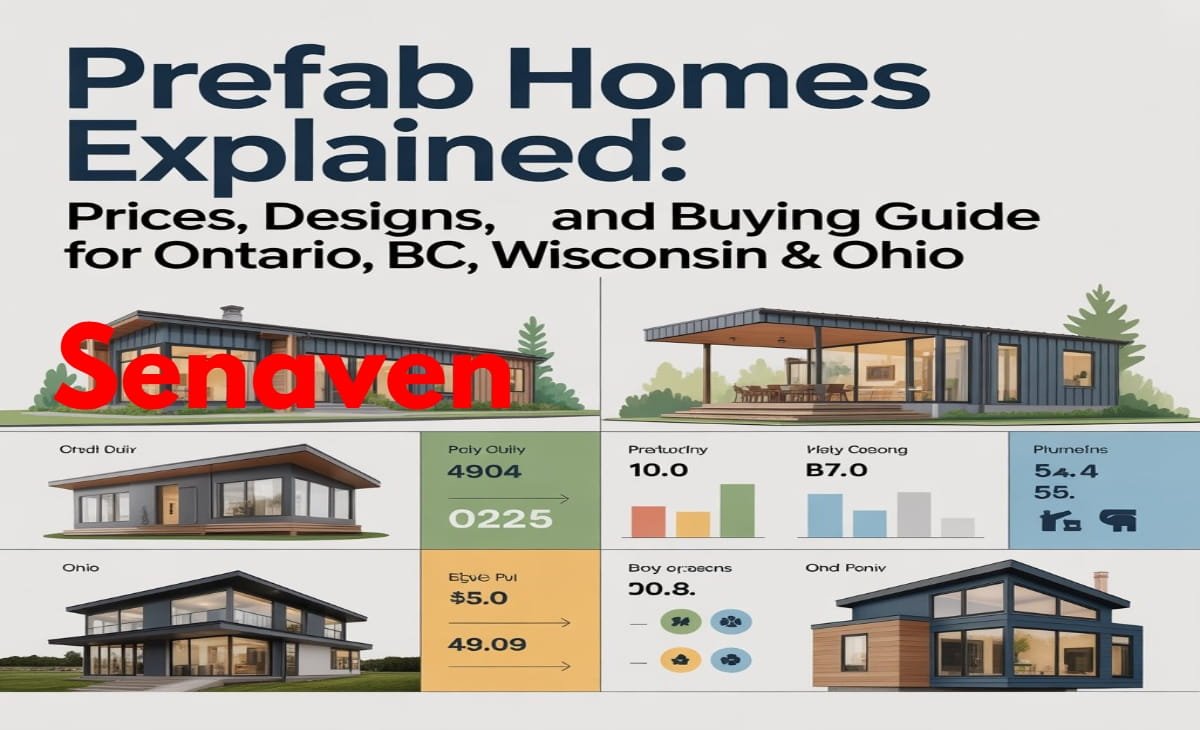
Prefab Homes Explained: Prices, Designs, and Buying Guide for Ontario, BC, Wisconsin & Ohio
The demand for prefab homes is growing rapidly across North America as more people look for affordable, fast, and flexible housing solutions. Whether you’re searching for prefab homes for sale in Ontario, exploring modern designs in British Columbia (BC), or comparing options in Wisconsin and Ohio, prefab housing offers a practical alternative to traditional construction.
These homes are factory-built, energy-efficient, and often much faster to complete than conventional houses. But understanding where to buy, how pricing works, and which region offers the best value is essential before making a decision.
This guide breaks everything down in a simple, real-world way so you can confidently explore prefab housing options based on your location and budget.
What Are Prefab Homes?
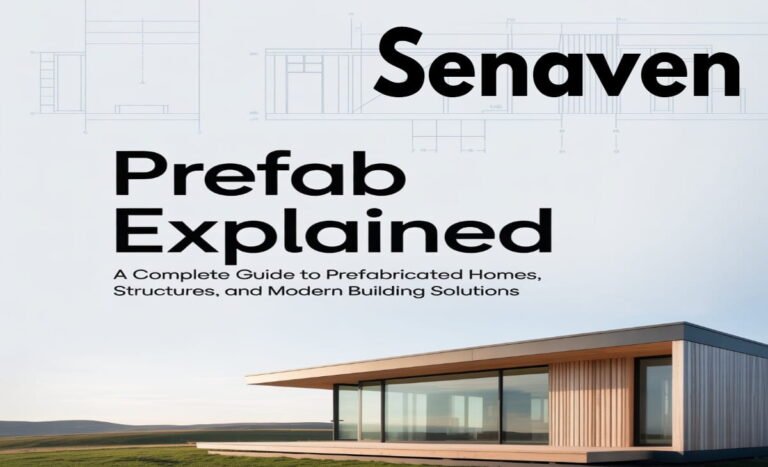
It (prefabricated homes) are structures built in sections inside a factory and then transported to the final site for assembly. Unlike traditional homes that are built entirely on-site, It follow a controlled manufacturing process that improves efficiency, reduces waste, and often lowers overall cost.
Today, prefab housing is no longer limited to simple designs. Many modern prefab homes include luxury interiors, smart home systems, and customizable layouts that match traditional houses in comfort and style, along with inspiration from tiny home living essentials and ideas that focus on simplicity and efficient use of space, smart home systems, and customizable layouts that match traditional houses in comfort and style, along with smart small home design ideas that maximize space efficiency. Many modern prefab homes include luxury interiors, smart home systems, and customizable layouts that match traditional houses in comfort and style.
Prefab Homes for Sale – What Buyers Should Know
When people search for prefab homes for sale, they are usually looking for ready-to-buy models or companies offering customizable housing packages. These homes are typically sold by manufacturers or specialized builders rather than traditional real estate agents.
Most of it for sale fall into three categories: move-in-ready units, customizable modular designs, and fully tailored luxury builds. Buyers should always consider land costs separately, as they usually do not include land in the base price.
Before purchasing, it’s important to check building regulations in your area, financing options, and transportation costs, as these can significantly affect the final price.
Prefab Homes by Region (Ontario, BC, Wisconsin, Ohio)
Prefab Homes Ontario
In Ontario, they are becoming popular due to rising housing costs and limited urban space. Many buyers choose modular homes for suburban and rural living because they are faster to build and easier to customize. Ontario also has several established prefab manufacturers offering energy-efficient designs suitable for cold weather conditions.
Prefab Homes BC
In British Columbia, prefab housing demand is driven by high property prices and eco-conscious living trends. Many homeowners prefer modern prefab cabins and modular homes designed for mountain and coastal environments. Sustainability and energy efficiency are major selling points in this region.
Prefab Homes Wisconsin
In Wisconsin, they are often chosen for rural and suburban developments. The climate requires durable construction, so insulated modular homes are especially popular. Buyers in Wisconsin usually look for cost-effective housing solutions with strong weather resistance.
Prefab Homes Ohio
In Ohio, prefab homes are widely used for affordable family housing. The state offers a balanced market where buyers can find both budget-friendly and mid-range modular homes. Ohio’s relatively lower land prices make prefab housing even more attractive for first-time homeowners.
Cost of Prefab Homes (What Really Affects Price)
The cost of it varies widely depending on design, location, and customization. Instead of a fixed price, buyers should understand the main factors that influence the total investment.
Key cost factors:
- Size and layout of the home
- Level of customization and interior finishes
- Transportation distance to the building site
- Foundation and utility installation costs
- Local building permits and regulations
In general, they are often more affordable than traditional homes, but luxury customization can significantly increase the final cost.
Advantages of Prefab Homes (Why People Choose Them)
They are becoming a preferred choice for modern homeowners due to several practical benefits. They are typically faster to build, offer better quality control due to factory construction, and reduce material waste. Many designs also support energy efficiency, which helps lower long-term utility bills.
Another major advantage is flexibility. Buyers can choose from compact homes, family-sized layouts, or even luxury modular designs depending on their budget and lifestyle needs.
Buying Guide for Prefab Homes (Simple Checklist)
If you’re planning to buy them, these are the most important steps to follow before making a decision:
- Confirm your total budget including land and installation
- Compare multiple prefab manufacturers and designs
- Check local zoning laws and building approvals
- Review insulation and weather durability for your region
- Ask about warranties and after-sale support
This approach helps avoid unexpected costs and ensures you choose a home that fits your long-term needs.
Expert Advice: Before Buying Prefab Homes
One common mistake buyers make is assuming the factory price includes the full cost. In reality, expenses like land preparation, transportation, installation, and permits can significantly increase your total budget.
It’s also important to choose a design that suits your climate. For colder regions like Ontario, BC, Wisconsin, and Ohio, prioritize strong insulation and energy-efficient materials to reduce long-term heating costs.
Experts recommend comparing multiple prefab home providers before deciding, as quality, warranty, and customization options can vary widely. Avoid over-customizing early on, as it can quickly raise costs without adding real value.
Conclusion
They are no longer just a budget housing option—they are a modern solution for affordable, efficient, and customizable living. Whether you are searching in Ontario, BC, Wisconsin, or Ohio, prefab housing offers flexibility that traditional construction often cannot match.
With proper planning, research, and understanding of regional differences, it can be a smart investment for first-time buyers and families looking for practical housing solutions.
FAQs
Are prefab homes a good investment?
Yes, they can be a strong investment when chosen in the right location and properly maintained.
How much do prefab homes cost on average?
Costs vary depending on size, design, and region, but they are generally more affordable than traditional homes.
Can I buy prefab homes for sale in Ontario or BC easily?
Yes, both Ontario and British Columbia have several manufacturers offering prefab housing options.
Are prefab homes durable in cold climates like Wisconsin or Ohio?
Yes, modern they are built with strong insulation and weather-resistant materials suitable for cold regions.
Do prefab homes include land?
No, most of it do not include land; buyers usually purchase land separately.