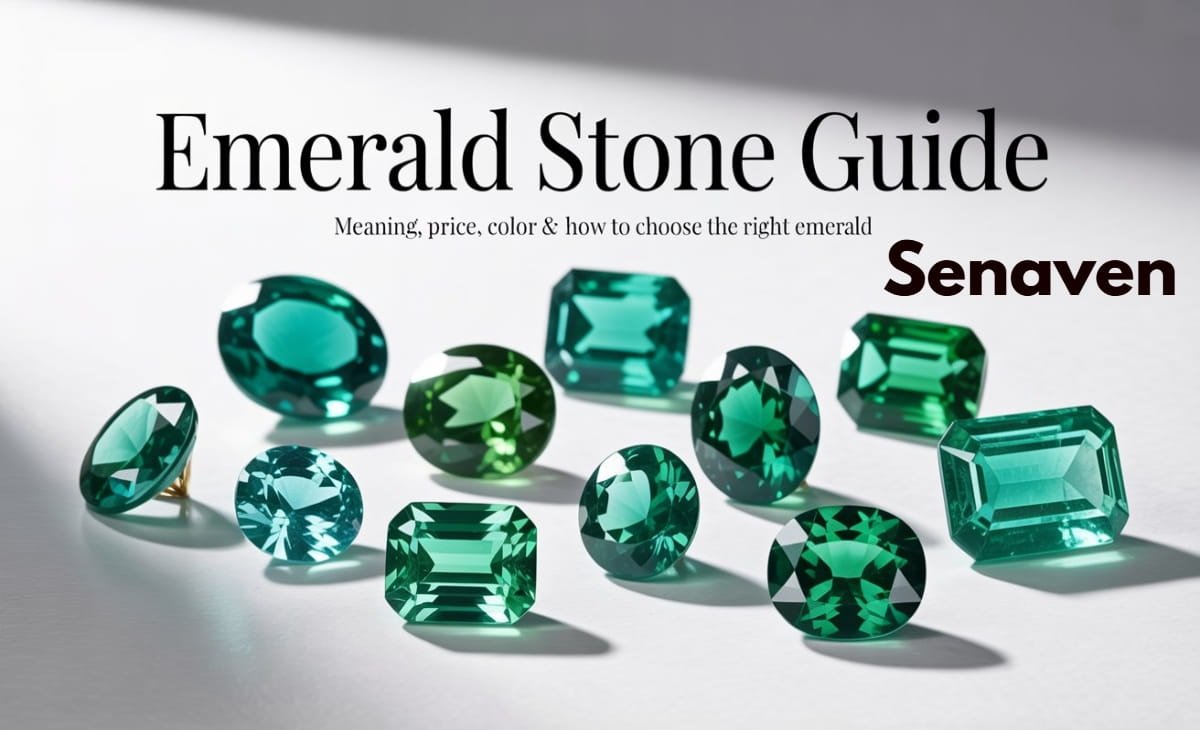
Emerald Stone Guide: Meaning, Price, Color & How to Choose the Right Emerald
If you’ve searched for emerald, emerald green, or emerald stone price, chances are you’re trying to understand more than just a beautiful gemstone—you want clarity before spending your money. And that’s where most guides fall short. They either get too technical or skip practical advice.
This article is designed to solve that problem. Whether you’re buying an emerald stone for jewelry, home décor inspiration, or simply exploring its value, you’ll find clear, real-world guidance here—without confusion or fluff.
What Is an Emerald Stone?
An emerald is a precious green gemstone from the mineral family called beryl. Its signature green color—often referred to as emerald green—comes from trace elements like chromium and vanadium.
What makes emerald unique isn’t just its color, but its character. Unlike diamonds, emeralds often contain natural inclusions, which are considered part of their identity rather than flaws. This gives each stone a distinct, organic appearance.
What Does “Emerald Green” Really Mean?
“Emerald green” isn’t just a color—it’s a benchmark, and interior designers often use shades like emerald green and similar natural tones to create a calm, luxurious atmosphere, just like in forest-inspired home color palettes. It refers to a rich, deep green shade with a slight bluish undertone that feels vibrant but not overly bright.
In practical terms, this color is widely used beyond gemstones. Homeowners often choose emerald green in interiors for a luxurious, calming effect. You’ll see it in accent walls, velvet furniture, and decorative pieces because it adds depth without overwhelming the space.
Emerald Stone Price: What You Should Expect
One of the most common questions buyers ask is: How much does an emerald cost? The answer depends on several key factors.
Emerald stone price can range from very affordable to extremely expensive. Lower-quality stones with pale color and visible flaws are budget-friendly, while deep green, high-clarity emeralds—especially larger ones—can cost significantly more.
Several things influence the price. Color plays the biggest role, followed by clarity, size, and origin. For example, emeralds sourced from Colombia are often priced higher due to their reputation for superior color.
A practical tip: instead of focusing only on size, look for a balance between color and clarity. A smaller, vibrant emerald often looks more valuable than a larger, dull one.
How to Choose the Right Emerald (Step-by-Step)
Choosing an emerald becomes much easier when you know what actually matters.
Start with the color. Look for a rich green tone that feels lively and evenly distributed. Avoid stones that appear washed out or overly dark, as they lose the signature emerald appeal.
Next, consider clarity. Most emeralds have internal marks, and that’s completely normal. What you want to avoid are cracks or inclusions that weaken the stone’s structure or make it look cloudy.
The cut is another important factor. A well-cut emerald enhances its color and reduces the visibility of inclusions. The classic rectangular “emerald cut” is popular because it balances beauty and durability.
Finally, think about size in relation to quality. Beginners often go for bigger stones, but in reality, a smaller high-quality emerald usually looks more elegant and lasts longer.
How to Tell If an Emerald Is Real
With so many synthetic and treated stones in the market, verifying authenticity is essential.
A real emerald typically shows natural inclusions when viewed closely. If a stone looks perfectly clear and is being sold at a low price, it’s likely not natural.
Another important step is asking for certification. Reputable sellers provide gemstone certificates that confirm authenticity, origin, and any treatments applied.
If you’re buying for long-term use or investment, never skip this step—it protects both your money and your confidence in the purchase.
Types of Emerald Stones You’ll Find in the Market
Not all emeralds are the same, and understanding the types helps you make a smarter decision.
Natural emeralds are mined from the earth and are the most valuable. They often contain inclusions and may be treated with oils to enhance clarity, which is a common and accepted practice.
Lab-created emeralds are made in controlled environments but have the same chemical structure as natural ones. They are more affordable and visually similar, making them a good option for budget-conscious buyers.
There are also treated emeralds, which have undergone clarity enhancement. This doesn’t make them fake, but it’s important to know the level of treatment before buying.
Pros and Cons of Emerald Stones
Pros
- Timeless and luxurious appearance
- Unique natural character with every stone
- Strong visual impact in both jewelry and home décor
Cons
- Softer than many other gemstones, so it needs careful handling
- Often treated, which requires awareness when buying
- High-quality stones can be expensive
How to Care for an Emerald Stone
Cleaning and Maintenance
Emeralds require gentle care. Clean them using mild soap and lukewarm water, and avoid ultrasonic or steam cleaners, as they can damage the stone or remove treatments.
Storage and Daily Use
Store emeralds separately in a soft pouch to prevent scratches. If you wear emerald jewelry daily, remove it during heavy tasks to avoid impact or pressure that could cause damage.
Emerald in Home Design and Lifestyle
Beyond jewelry, emerald has become a popular choice in home improvement and interior styling.
Emerald green accents can instantly elevate a room, especially when paired with soft natural shades like sage-inspired green tones used in modern interior styling. Whether it’s a statement chair, decorative vase, or wall paint, this color brings a sense of richness and calm. It pairs especially well with neutral tones like beige, white, and grey, making it versatile for modern homes.
For beginners looking to upgrade their space, starting with small emerald décor items is a practical and budget-friendly approach.
What Does “Emerald Isle” Mean?
You may have come across the term Emerald Isle during your search. It doesn’t refer to the gemstone itself but is a nickname for Ireland, known for its lush green landscapes.
This term highlights how deeply the color emerald green is associated with nature, freshness, and beauty—even beyond gemstones.
Common Mistakes to Avoid When Buying Emerald
Many first-time buyers make similar mistakes, often due to lack of information.
Focusing only on size instead of quality is one of the biggest errors. Another is ignoring whether the stone has been treated or not. Some buyers also skip certification, which can lead to purchasing synthetic or low-quality stones unknowingly.
Taking a little extra time to evaluate these factors can save you from regret later.
Expert Advice Before Buying an Emerald
If you are buying an emerald stone for the first time, making a decision based only on its beauty can be a mistake. Experts always recommend that you first clarify the purpose of the stone—whether you are purchasing it for jewelry, investment, or simply for decorative use.
When choosing an emerald for jewelry, durability and the quality of the setting are more important. For investment purposes, certification, origin, and color intensity hold the highest value. For home décor, you can be more flexible and even consider emerald-green shades or semi-precious alternatives.
Another important tip is to always purchase from a trusted seller and check the stone in natural light. Artificial lighting can make the emerald’s color appear misleading.
Conclusion
Emerald is more than just a gemstone—it’s a combination of beauty, rarity, and character. But buying the right one requires understanding what truly matters.
By focusing on color, clarity, authenticity, and realistic pricing, you can confidently choose an emerald that fits your needs—whether for personal use, home décor, or gifting. The key is to stay informed, avoid shortcuts, and prioritize quality over quick decisions.
FAQs
What is the average emerald stone price?
Emerald prices vary widely depending on quality, but smaller stones can be affordable, while high-quality emeralds can be quite expensive.
What color emerald is the most valuable?
Deep green or slightly bluish-green emeralds with even color distribution are considered the most valuable.
Is emerald good for daily wear?
Yes, but it requires careful handling since it is softer than stones like diamonds.
What is the difference between natural and lab emerald?
Natural emeralds are mined from the earth, while lab emeralds are created artificially but look very similar and cost less.
Why is it called emerald green?
The term comes from the gemstone’s rich green color, which has become a standard reference for that specific shade.