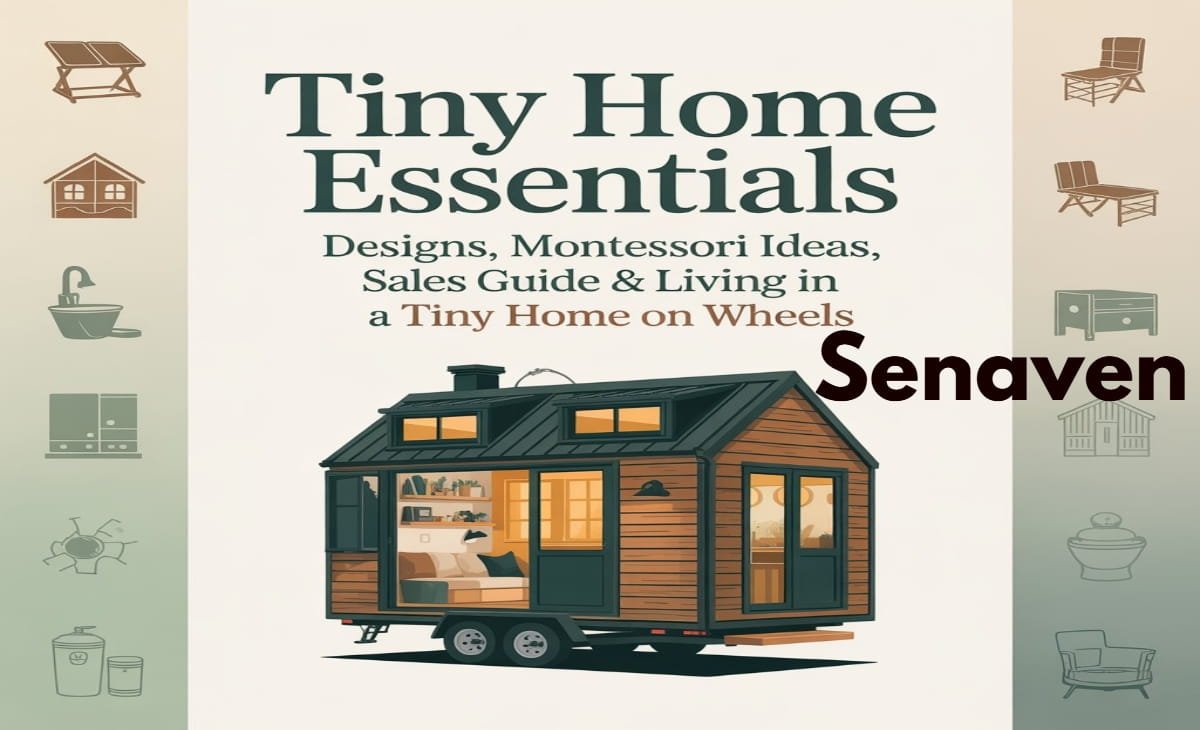
Tiny Home Essentials: Designs, Montessori Ideas, Sales Guide & Living in a Tiny Home on Wheels
The idea of a tiny home has evolved far beyond a simple small house. Today, it represents a lifestyle built around freedom, affordability, and intentional living. People are no longer just searching for compact houses—they want flexible living solutions like a tiny home on wheels, family-friendly Montessori-style layouts, and even established tiny home communities where like-minded individuals live together.
At the same time, demand is growing for practical needs such as tiny homes for sale, interior design ideas, and real-world inspiration like It Montessori photos and reviews. This shows a clear shift: users don’t just want information—they want to imagine, compare, and potentially buy or build.
This guide covers everything in one place, from design and lifestyle to buying and living—so you don’t need to search multiple sources.
What Is a Tiny Home and Why It’s Becoming So Popular
It is generally a compact living space designed to maximize functionality in a minimal footprint. But the modern definition is broader—it includes stationary small homes, mobile tiny homes on wheels, and even educational-inspired layouts like Montessori-style It for children and families.
People are choosing tiny homes because they want financial freedom, reduced maintenance, and a more meaningful lifestyle. In many cases, it is also a response to rising housing prices and urban overcrowding.
Tiny Home Designs That Actually Work in Real Life
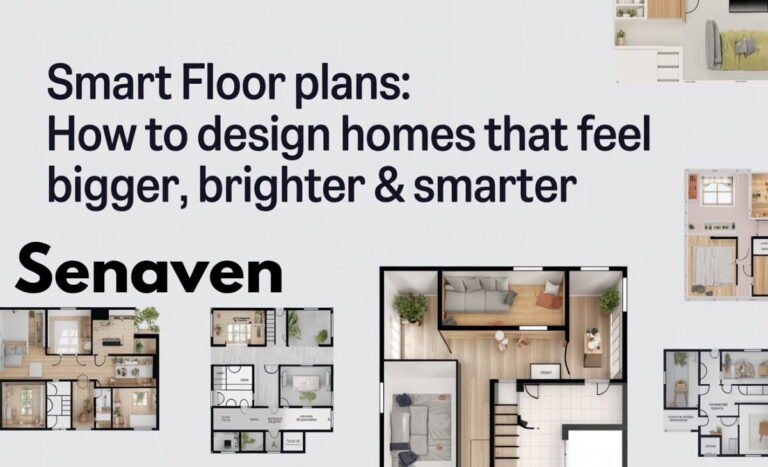
When people search for tiny home designs, they are usually looking for layouts that don’t feel cramped. The most effective designs focus on open space flow, vertical storage, and multi-purpose furniture.
A well-designed tiny home often blends kitchen, living, and sleeping areas into a flexible open-plan structure. Instead of separating rooms with walls, designers use furniture placement, lighting, and storage partitions to define zones. This creates a more breathable and modern feel even in very small square footage.
Natural light also plays a huge role. Large windows, skylights, and light-colored interiors make a tiny home feel significantly larger than it is.
Tiny Home Montessori Concept & Why It’s Trending
The search for tiny home Montessori and It Montessori photos has increased because parents are looking for child-friendly minimalist environments.
A Montessori-inspired tiny home focuses on independence, simplicity, and accessibility. Everything in the home is designed so children can reach, use, and interact with their environment safely. For example, low-height beds, open toy storage, and simple furniture layouts are common features.
People often look for tiny home Montessori reviews because they want real-world experiences before adopting this lifestyle. Most feedback highlights that children become more independent and less overwhelmed by clutter, but it requires disciplined organization from parents.
Tiny Home on Wheels: Mobile Living Explained
Its wheels is one of the fastest-growing lifestyle choices. It offers flexibility and mobility while still providing the comfort of a permanent home.
Unlike stationary homes, these are built on trailer bases, allowing owners to move locations without changing their entire living structure. This is especially appealing for digital nomads, remote workers, and people who prefer travel-based living.
However, mobility comes with trade-offs. Space is often more limited, and legal regulations vary depending on where you park the home. Despite this, the freedom it offers makes it one of the most searched It variations today. Natural light also plays a huge role. Large windows, skylights, and soft white paint shades like Snowbound Sherwin Williams make a tiny home feel significantly larger than it is.
Tiny Home for Sale: What Buyers Should Know
The demand for tiny homes for sale is increasing globally. Buyers usually look for three categories: pre-built homes, custom-built designs, and mobile It.
Before purchasing, it’s important to understand what is included in the price. Some homes come fully furnished, while others are just structural shells. Buyers should also consider utility setup, insulation quality, and transportation costs if the home is on wheels.
In many cases, they are more affordable than traditional housing, but long-term costs depend on location, maintenance, and customization level.
Tiny Home Communities: Shared Living Lifestyle
One of the most interesting trends is the rise of tiny home communities. These are planned residential areas where multiple tiny homes are placed together, often sharing facilities like gardens, parking areas, and social spaces.
These communities attract people who want minimal living but still value social connection. They are especially popular among retirees, young professionals, and eco-conscious individuals.
Living in such communities often provides a balance between privacy and belonging, which is difficult to achieve in isolated It setups.
Essential Tiny Home Living Principles
Living in a tiny home requires a mindset shift. Instead of focusing on accumulation, the goal becomes intentional living. Every item must serve a purpose, and unnecessary clutter is avoided.
Storage is one of the most critical elements. Built-in cabinets, hidden storage under furniture, and vertical wall systems help maximize every inch of space. Another key principle is adaptability—furniture and layout should adjust based on daily needs.
This lifestyle works best for people who value simplicity over excess.
Pros and Challenges of Tiny Home Living
It offer financial freedom, lower maintenance, and a more sustainable lifestyle. However, they also require strict organization and smart space management.
The biggest challenge is not physical space but psychological adjustment. Many people underestimate how quickly clutter can overwhelm a small environment. On the positive side, people often report improved focus, reduced stress, and a more mindful lifestyle after adapting to tiny home living.
Expert Advice: Common Mistakes in Tiny Home Living
Most people designing a tiny home focus too much on looks and not enough on daily functionality. The key is to design your space around how you actually live, not just how it looks.
A common mistake is ignoring storage during the planning stage. In well-designed It, storage is built into walls, furniture, and floors from the start to avoid clutter later.
Experts also suggest thinking long-term. Your needs may change, so flexible layouts—especially in a tiny home on wheels—are often a smarter choice.
In short, a successful tiny home is not about being the smallest or most stylish, but about being practical, adaptable, and easy to live in every day.
Conclusion
It is not just a housing choice—it’s a lifestyle transformation. Whether you are exploring tiny home designs, researching tiny homes for sale, interested in Montessori-style layouts, or considering a tiny home on wheels, the core idea remains the same: live with purpose and eliminate unnecessary complexity.
The key to success in this lifestyle is thoughtful planning, realistic expectations, and a clear understanding of your personal needs. When done right, It can feel more spacious, peaceful, and fulfilling than many traditional houses.
FAQs
What is a tiny home and how is it different from a small house?
A tiny home is designed for maximum efficiency in a very small space, often with multi-functional furniture and smart layouts.
What is a tiny home Montessori concept?
It is a child-friendly design approach that focuses on independence, accessibility, and minimal clutter within a tiny living space.
Are tiny homes for sale a good investment?
They can be affordable and practical, but value depends on build quality, location, and long-term usability.
What is a tiny home on wheels?
It is a mobile tiny house built on a trailer, allowing relocation while maintaining a fully functional living space.
Do tiny home communities exist?
Yes, many planned communities exist where multiple It share common spaces and facilities, promoting a simple and social lifestyle.