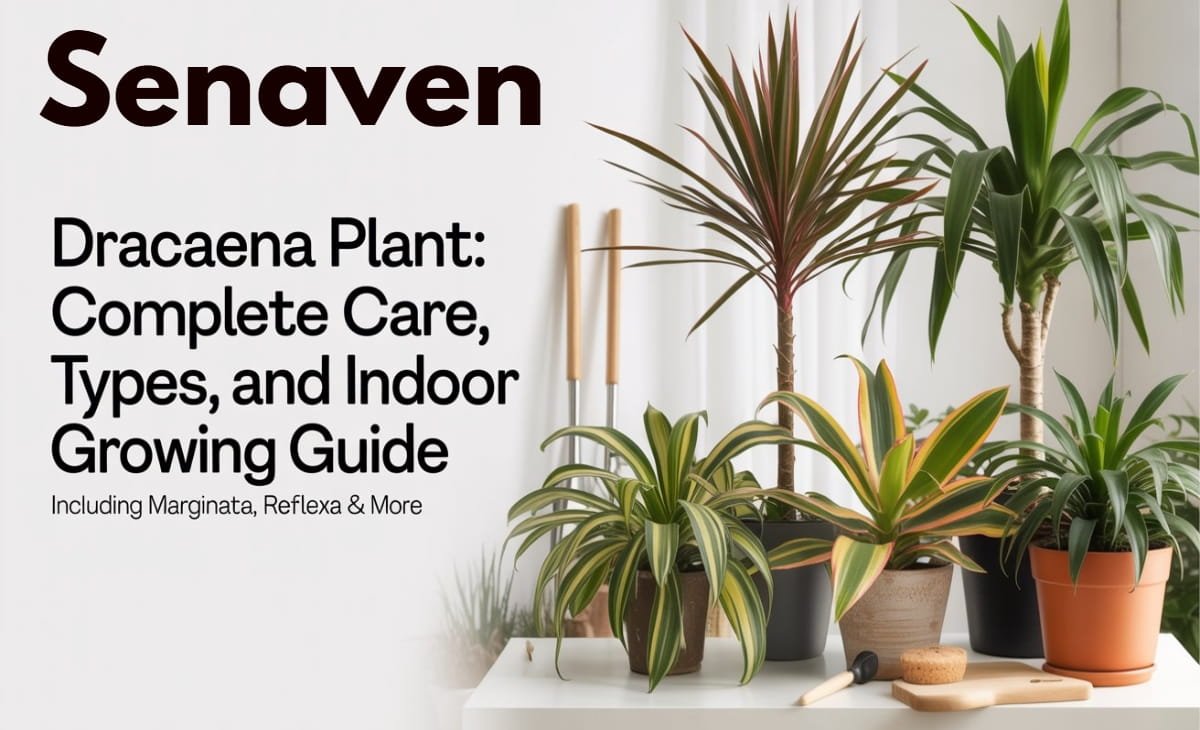
Dracena Plant: Complete Care, Types, and Indoor Growing Guide (Including Marginata, Reflexa & More)
The dracena plant has become a favorite for homeowners and renters who want greenery without complicated care routines. Its sleek, upright growth and tolerance for indoor conditions make it one of the most practical houseplants you can own.
But here’s where most people struggle, despite being labeled “low maintenance,” dracena often develops brown tips, yellow leaves, or slow growth when basic care details are overlooked—similar to what many beginners experience with other houseplants like philodendrons if not cared for properly.
This guide is built to solve that completely.
You’ll learn how to care for a dracena properly, explore all major types like dracena marginata, dracena fragrans, dracena reflexa, and even rare varieties like dracena draco and dracena cinnabari—so you can choose, grow, and maintain your plant with confidence.
What Is a Dracena Plant?
The plant is a group of tropical plants known for their long, sword-shaped leaves and strong vertical growth. Native to Africa, Asia, and parts of Central America, these plants are highly adaptable, which is why they thrive indoors.
Most dracena varieties are slow-growing and require minimal attention, making them ideal for beginners. They’re commonly used in living rooms, offices, and bedrooms because they add height and structure without taking up too much space.
Popular Dracena Plant Types You Should Know
Dracena Marginata (Dragon Tree)
This is one of the most recognizable varieties, often called the dracena red plant because of its thin green leaves edged with red. It has a modern, spiky look and can grow tall, making it perfect for corners or empty vertical spaces indoors.
Dracena Fragrans (Corn Plant)
The dracena fragrans is known for its wide, arching green leaves and tree-like appearance. It’s extremely beginner-friendly and adapts well to indoor lighting, which is why it’s commonly seen in homes and offices.
Dracena Reflexa (Song of India)
The dracena reflexa stands out due to its bright, variegated leaves with yellow and green patterns. It brings more color into indoor spaces and prefers slightly brighter light compared to other types.
Dracena Compacta
A smaller and denser version of fragrans, this variety has tightly packed leaves and is ideal for desks, shelves, or small apartments where space is limited.
Dracena Draco (Dragon Blood Tree)
The dracena draco is a slow-growing tree famous for its umbrella-like shape and thick trunk. While it’s usually grown outdoors in warm climates, young plants can be kept indoors for years.
Dracena Cinnabari (Socotra Dragon Tree)
The dracena cinnabari is a rare and striking species known for its unique canopy shape. It’s not typically grown as a houseplant but is often searched due to its dramatic appearance and “dragon blood” resin.
How to Care for Dracena Indoors
Light Requirements
The plants prefer bright, indirect light, but one of their biggest advantages is their ability to tolerate low-light environments. However, if placed in very dim conditions for too long, growth slows down and leaves may lose their vibrancy. Direct sunlight should be avoided because it can scorch the leaves and cause brown patches.
Watering Schedule
Watering is where most people go wrong with it. These plants prefer slightly dry soil rather than constantly moist conditions. A practical approach is to check the top layer of soil—if it feels dry, it’s time to water. Overwatering leads to root rot, while inconsistent watering can cause leaf browning. If possible, using filtered water helps prevent chemical buildup that often causes brown tips.
Soil, Temperature, and Feeding Essentials
It grows best in well-draining soil that doesn’t hold excess moisture. A standard indoor potting mix works well, especially if the pot has proper drainage holes. In terms of temperature, It prefers a stable indoor environment between 18°C and 27°C, and it should be kept away from cold drafts or sudden temperature changes.
Feeding your plant occasionally during the growing season can support healthy leaf development, but over-fertilizing does more harm than good. A light, balanced fertilizer once a month during spring and summer is usually enough.
Common Dracena Problems and How to Fix Them
Brown Tips on Leaves
This is one of the most common issues and is often caused by chemicals in tap water, low humidity, or inconsistent watering. Switching to filtered water and maintaining a steady watering routine usually solves the problem.
Yellow Leaves
Yellowing leaves are typically a sign of overwatering or poor drainage. If the soil stays wet for too long, roots begin to suffocate. Letting the soil dry out and ensuring proper drainage can quickly improve the plant’s condition.
Drooping or Weak Leaves
When It leaves start drooping, it’s usually due to stress from temperature changes or watering mistakes. Keeping the plant in a stable environment and adjusting care habits helps restore its structure.
Slow or Stunted Growth
It is naturally slow-growing, but extremely slow growth often means the plant isn’t getting enough light or nutrients. Moving it to a brighter spot can make a noticeable difference over time.
Is Dracena a Good Indoor Plant? (Pros and Cons)
It is widely considered one of the best indoor plants because it’s easy to manage and visually appealing. It works well in both small apartments and larger homes, requiring minimal attention compared to many other houseplants.
Pros:
- Low maintenance and beginner-friendly
- Tolerates low light conditions
- Adds height and structure to interiors
- Works well in modern home décor
Cons:
- Toxic to pets if ingested
- Sensitive to poor-quality water
- Slower growth compared to some indoor plants
How to Grow and Maintain a Healthy Dracena
Growing a healthy dracena indoors is mostly about consistency rather than effort. Keeping a steady watering routine, placing the plant in indirect light, and avoiding sudden environmental changes are the key factors that determine long-term success.
A helpful habit is occasionally wiping the leaves with a damp cloth. Dust buildup can block light absorption, and cleaning the leaves keeps the plant looking fresh while improving its health.
If the plant becomes too tall or leggy, pruning can encourage new growth and maintain its shape. This also allows you to propagate new plants from cuttings, making it a great option if you want to expand your indoor greenery without extra cost.
Watering is where most people go wrong. These plants prefer slightly dry soil, so always check before watering. Overwatering can lead to root rot—a common issue seen in many houseplants, which is why understanding proper ficus plant care can help you avoid similar mistakes.
Expert Advice: Keep Your Dracena Healthy
To keep your dracena thriving, focus on consistency rather than over-care. The most common mistake is overwatering—always check the soil and let the top layer dry before watering again.
Place your plant in a stable spot with bright, indirect light and avoid moving it frequently, as sudden changes can stress it. Cleaning the leaves occasionally helps it absorb light better and keeps it looking fresh.
Most importantly, be patient. It grows slowly indoors, so steady care—not frequent adjustments—is the real key to long-term success.
Conclusion
The plant stands out as one of the most practical and stylish indoor plants available today. Whether you choose dracena marginata for its bold look, Its fragrans for its simplicity, or its reflexa for its vibrant color, each variety offers something unique while remaining easy to care for.
By understanding its basic needs—especially light, watering, and soil—you can avoid the most common mistakes and enjoy a healthy, long-lasting plant. With just a little consistency, It can transform your indoor space into something more lively and welcoming.
FAQs
What is the best type of dracena for beginners?
Its fragrans and dracena marginata are the easiest types to grow, as they adapt well to indoor conditions and require minimal care.
Why is my dracena plant turning brown?
Brown tips or edges are usually caused by tap water chemicals, irregular watering, or dry indoor air.
Can dracena grow without sunlight?
It can survive in low light, but it grows best in bright, indirect light. Very low light may slow growth significantly.
What is a dracena red plant?
The term usually refers to dracena marginata, which has red-edged leaves that give it a distinctive appearance.
Are dracena draco and cinnabari indoor plants?
These varieties are typically outdoor trees, but young dracena draco plants can be grown indoors for some time with proper care.