Hosta Bloom Guide: Timing, Colors, Care & What Happens When You Cut Them
Most people hosta bloom for their bold, textured leaves—but once the blooming season arrives, many are unsure what to do next. Should you keep the flowers? Cut them? Are they even worth it?
Search trends clearly show that homeowners want clear answers about hosta bloom time, bloom season, colors (purple and white), and what happens when you cut them. This guide is designed to answer all of those questions in one place—without confusion or fluff.
If you’ve ever looked at your hostas and wondered what those tall flower stalks mean or how to handle them, you’re about to get practical, real-world answers.
What Is a Hosta Bloom?
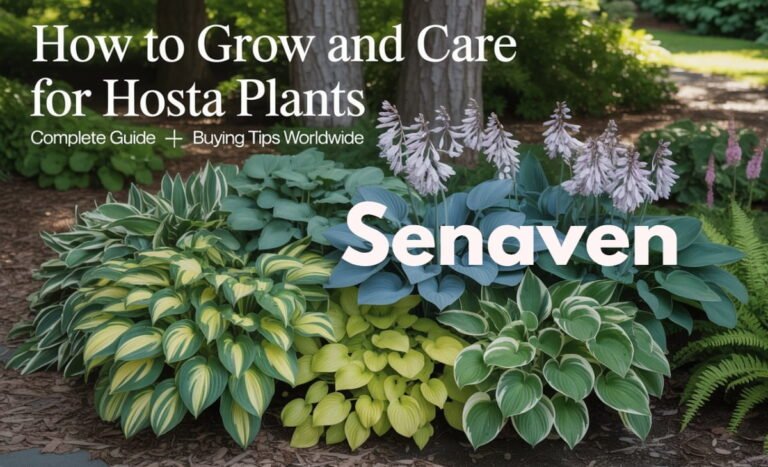
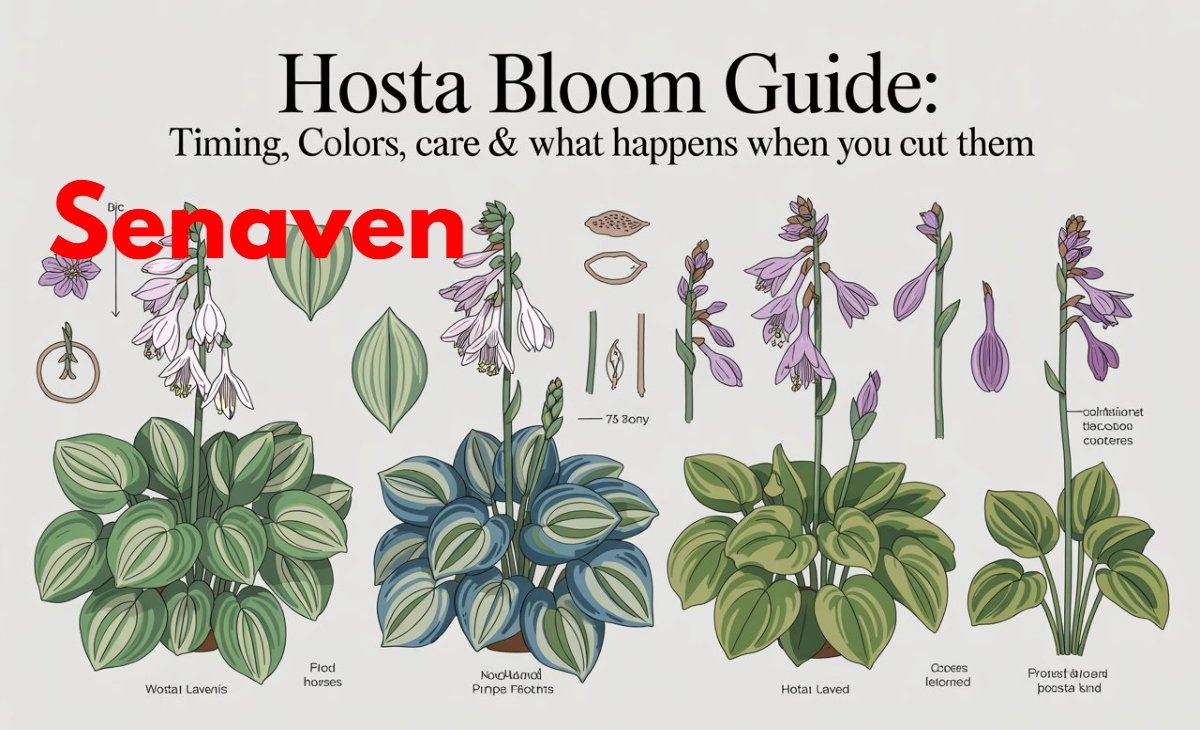
A hosta bloom is the flowering stage of the plant, where tall stems (called scapes) grow above the leafy base and produce clusters of delicate flowers. These blooms are usually tubular or bell-shaped and appear in soft shades like lavender, purple, or white. While they’re not as bold as roses or lilies, they add a subtle elegance—especially in shaded gardens where colorful flowers are harder to grow.
Hosta Bloom Time and Season Explained
Understanding hosta bloom time helps you plan your garden better and manage expectations.
When Do Hostas Bloom?
Hostas typically bloom between late spring and late summer, depending on the variety and your local climate. In most regions:
- Early varieties bloom in June
- Mid-season varieties bloom in July
- Late varieties bloom in August
This means you can actually extend your garden’s flowering period by planting a mix of different hosta types.
What Affects Bloom Timing?
Several factors influence the exact hosta bloom season. Plants that receive a bit of morning sunlight tend to bloom earlier and more reliably. Soil quality also plays a role—nutrient-rich soil encourages stronger flowering. Climate matters too; warmer regions often see earlier blooms, while cooler areas may experience delayed flowering.
Hosta Bloom Colors: Purple vs White
One of the most searched topics is about hosta blooms purple and hosta bloom white—and the differences are more interesting than you might expect.
Common Hosta Bloom Colors
- Purple/Lavender blooms are the most common and tend to appear on classic hosta varieties.
- White blooms are less common but often more fragrant, especially in certain hybrid types.
Purple blooms are usually more decorative and blend beautifully with green foliage, while white blooms stand out more in low-light areas and are often chosen for sensory gardens because of their fragrance. If your goal is visual contrast, white flowers are a better choice. If you prefer a soft, natural look, purple blooms fit perfectly.
Should You Cut Hosta Blooms or Leave Them?
This is one of the biggest questions people search: “hosta blooms when you cut — what happens?”
What Happens If You Cut the Blooms?
When you remove the flower stalks, the plant redirects its energy back into leaf growth. This can result in slightly fuller and healthier-looking foliage, especially in younger plants. Cutting blooms early can also keep your garden looking neat and prevent the plant from appearing messy after flowers fade.
What Happens If You Leave Them?
If you leave the blooms, you’ll enjoy seasonal flowers that attract bees and hummingbirds. The plant will continue its natural cycle without harm, and mature hostas usually handle blooming without any issues.
Practical Recommendation
For most homeowners, the best approach is balanced. Let the hostas bloom and enjoy the flowers, then trim the stalks once they start to fade. This way, you get both beauty and a tidy garden.
How to Care for Hostas During Bloom Season
Essential Care Tips
- Water deeply and consistently, especially during dry weather
- Ensure partial shade, ideally morning sun and afternoon shade
- Use a balanced fertilizer in early spring
- Remove faded flower stalks to maintain appearance
Beyond these basics, the key is consistency. Hostas are low-maintenance, but they respond well to stable conditions. Sudden dryness or poor soil can shorten bloom duration or weaken the plant overall.
Why Your Hostas May Not Be Blooming
If your plant isn’t producing flowers, it’s usually due to environmental conditions rather than a serious problem.
The most common cause is too much shade. While hostas are shade-loving plants, deep shade can limit flowering. Another issue is poor soil—hostas need nutrient-rich, well-drained soil to support blooming. Young plants may also take a year or two before they start flowering consistently.
In many cases, simply improving light exposure and soil quality solves the problem.
How to Encourage More Hosta Blooms
If you want fuller, more consistent blooms, focus on plant health rather than forcing flowers.
Give your hostas a location with filtered sunlight, improve soil with compost, and divide overcrowded plants every few years. Mature, well-spaced hostas tend to bloom more reliably. Avoid over-fertilizing with nitrogen-heavy products, as these encourage leaf growth at the expense of flowers.
Do Hosta Blooms Have Any Real Benefits?
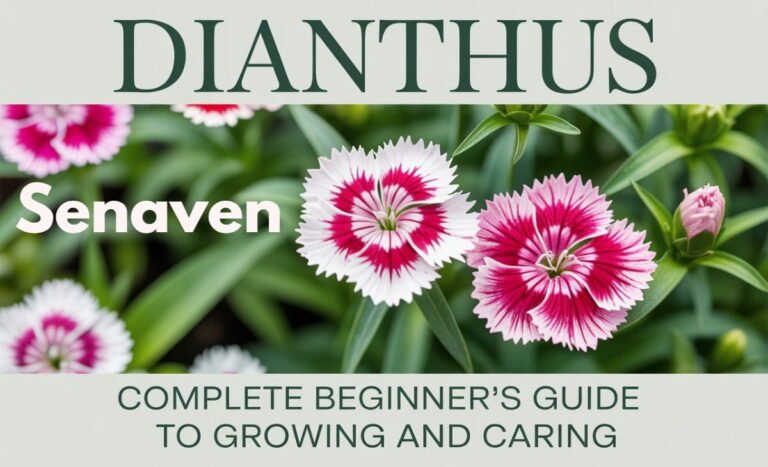
Hosta flowers are more than just decorative. Like other beginner-friendly flowering plants like dianthus, they play a small but valuable role in your garden ecosystem.
They attract pollinators like bees, which help other plants thrive. Some varieties produce a light fragrance, adding another sensory layer to your outdoor space—and you can even preserve flowers beautifully at home to enjoy them long after the blooming season ends. Even visually, the vertical flower stalks break up the dense, low-growing foliage, making your garden look more dynamic.
Pros and Cons of Hosta Bloom
Pros
- Adds seasonal color to shaded areas
- Supports pollinators
- Enhances garden depth and texture
- Some varieties offer fragrance
Cons
- Short blooming period
- Can look untidy after fading
- Not all varieties produce showy flowers
Expert Advice
For the best hosta bloom, focus on balance rather than overcare. Give your plants morning sun and afternoon shade, as too much deep shade can reduce flowering. Avoid high-nitrogen fertilizers—these boost leaves but limit blooms.
Let the flowers fully open before cutting them, then trim faded stalks to keep the plant tidy. Also, remember that mature, well-spaced hostas bloom more reliably, so don’t expect heavy flowering in the first year.
Simple rule: healthy plants = better blooms.
Conclusion
The hosta bloom is often underestimated, but it can transform your garden when you understand how it works. From knowing the exact bloom time and season to choosing between purple and white flowers, and deciding whether to cut or keep them—each choice depends on your goals as a homeowner.
If you want a practical approach, let your hostas bloom naturally, enjoy the flowers, and trim them once they fade. This simple routine keeps your plants healthy while adding seasonal beauty to your space.
FAQs
When is the hosta bloom season?
Hosta bloom season typically runs from June to August, depending on the variety and climate.
Are purple or white hosta blooms better?
Neither is better—it depends on preference. Purple blooms are more common, while white blooms are often more fragrant and visible in shade.
What happens if I cut hosta blooms early?
Cutting blooms early redirects energy to leaves, which can improve foliage growth and keep the plant looking tidy.
Why are my hostas not blooming?
The most common reasons are too much shade, poor soil, or the plant being too young.
Do hosta blooms come back every year?
Yes, hostas are perennials and will bloom each year once they are established and healthy.