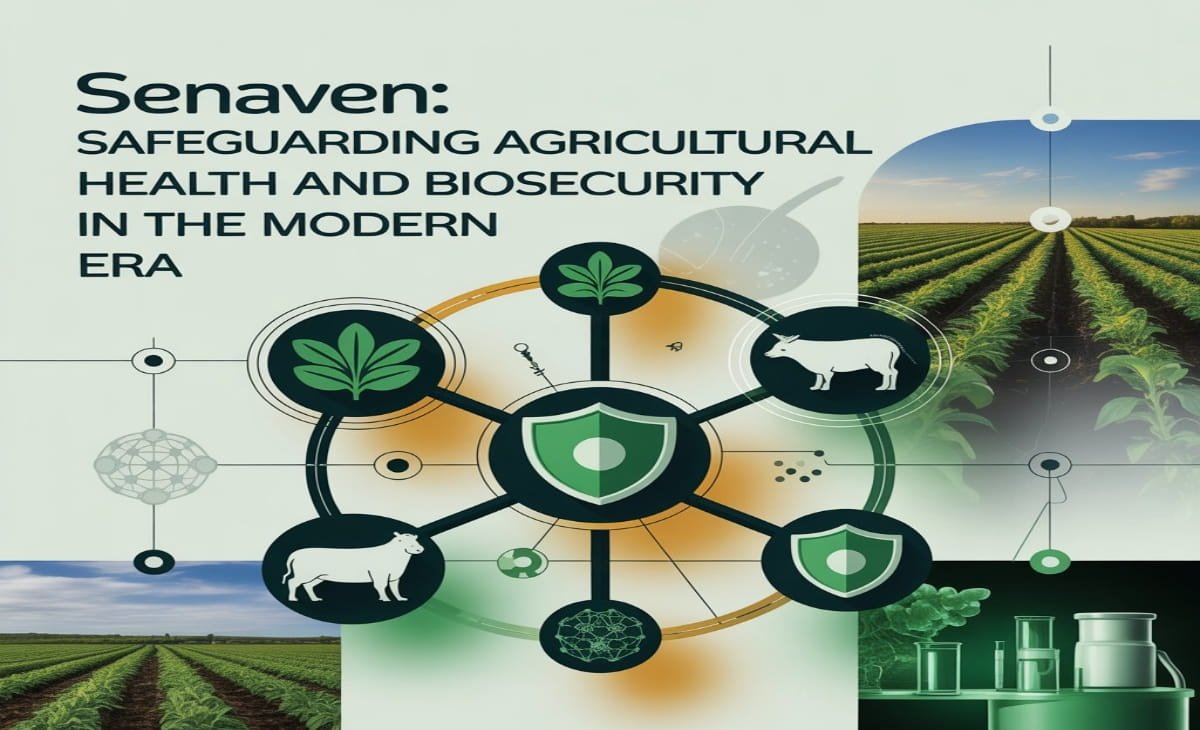
Senaven: Safeguarding Agricultural Health and Biosecurity in the Modern Era
Agriculture plays a critical role in global food security, economic stability, and environmental sustainability, senaven modern agriculture faces increasing threats from plant pests, livestock diseases, invasive species, and biological contamination. These threats can damage crops, harm livestock, and disrupt national food systems.
This is where Senaven becomes important. The concept of senaven focuses on protecting agricultural systems through biosecurity strategies, monitoring systems, preventive measures, and coordinated national responses. These frameworks are designed to ensure that farms, supply chains, and food systems remain safe and resilient.
As agricultural trade expands globally, the risk of disease outbreaks and invasive organisms increases. Effective protection requires strong policies, scientific monitoring, and strict preventive controls across production, transportation, and processing stages.
In this guide, you will learn:
- What senaven means in the context of agriculture and biosecurity
- How agricultural biosecurity systems work
- The benefits and practical uses of such frameworks
- Common misconceptions and mistakes
- Key strategies governments and farmers use to protect agriculture
This comprehensive article combines the most important information from existing resources and expands on them to fully satisfy user search intent.
Table of Contents
- What Is Senaven?
- Why Agricultural Biosecurity Matters
- How Senaven Works in Agricultural Systems
- Core Components of an Effective Senaven Framework
- Benefits and Practical Applications
- Common Mistakes and Misconceptions
- Senaven Compared With Traditional Agricultural Protection Methods
- Future Trends and Expert Insights
- FAQs
- Conclusion
What Is Senaven?
Senaven refers to a framework or approach designed to protect agricultural health, livestock, crops, and national food systems from biological threats.
These threats include:
- Invasive plant pests
- Animal diseases
- Contaminated agricultural imports
- Harmful microorganisms
- Biological hazards that affect crops or livestock
The core objective of senaven is to prevent, detect, and respond to agricultural risks before they spread across farms or national borders.
Agricultural biosecurity systems built around this concept rely on multiple layers of protection, including monitoring, quarantine measures, scientific research, and international cooperation. These systems aim to ensure that agricultural products remain safe for both domestic consumption and global trade.
Modern agricultural protection strategies recognize that human, animal, and environmental health are interconnected, which means safeguarding agriculture also helps protect ecosystems and public health.
You can explore more information from home page
Why Agricultural Biosecurity Matters
Agriculture faces constant exposure to biological threats. A single outbreak of plant disease or livestock infection can spread quickly across farms and regions.
The importance of senaven-style biosecurity systems lies in their ability to prevent such crises before they escalate.
Agricultural biosecurity helps protect:
- Food supply chains
- Farmer livelihoods
- National economies
- Public health
- Ecosystem stability
Global trade has increased the movement of plants, animals, and agricultural products across borders. While this supports economic growth, it also increases the risk of introducing pests and diseases into new regions.
Preventive agricultural biosecurity measures are widely recognized as the most effective strategy because preventing outbreaks is far more effective than trying to control them after they spread.
How Senaven Works in Agricultural Systems
The senaven framework operates through layered biosecurity controls that protect agricultural production at multiple stages.
It integrates scientific monitoring, government regulation, and farm-level management practices.
Prevention
Preventive measures focus on stopping harmful organisms from entering agricultural systems. These measures may include strict import controls, inspection procedures, and quarantine requirements for plants and animals.
Surveillance and Monitoring
Continuous monitoring allows authorities and agricultural agencies to detect potential threats early. Surveillance systems track emerging diseases, invasive pests, and other biosecurity risks.
Rapid Response
If a threat is detected, authorities implement emergency response strategies to contain and eliminate the problem. This can involve movement restrictions, targeted treatment, or quarantine zones.
Recovery and Stabilization
After an outbreak or biosecurity incident is controlled, recovery strategies ensure agricultural systems return to normal operations while minimizing economic losses.
These coordinated strategies allow countries to maintain stable agricultural production even when facing biological threats.
Core Components of an Effective Senaven Framework
An effective senaven system combines scientific research, policy development, and practical farm management.
Key components include
- Risk assessment of agricultural pests and diseases
- Import and export inspection procedures
- Quarantine facilities for plants and animals
- Monitoring networks for disease detection
- Emergency response systems for outbreaks
- Coordination between government agencies and farmers
- Research and laboratory diagnostics
These elements work together to create a comprehensive system capable of identifying and managing threats before they escalate.
In many countries, agricultural authorities implement these systems through national agencies that oversee food safety and agricultural trade standards.
Benefits and Practical Applications
The implementation of senaven-style biosecurity strategies offers significant benefits across the agricultural sector.
Major benefits include
- Protection of crops and livestock from harmful diseases
- Improved national food security
- Enhanced international trade opportunities
- Reduced economic losses for farmers
- Stronger environmental protection
- Increased consumer confidence in food safety
Biosecurity strategies also help maintain agricultural productivity by preventing disruptions caused by invasive pests or disease outbreaks.
For example, global plant health programs use coordinated surveillance and response systems to protect crops from invasive pests that could devastate entire farming regions.
Common Mistakes and Misconceptions
Many people misunderstand how agricultural biosecurity systems operate. One common misconception is that biosecurity only concerns government agencies. In reality, farmers, agricultural workers, transport companies, and food processors all play a role in maintaining agricultural protection.
Another mistake is assuming that disease control alone is sufficient. Effective agricultural protection requires preventive measures, not just treatment after an outbreak occurs.
Some stakeholders also underestimate the importance of surveillance and early detection systems. Without these systems, harmful pests or diseases can spread rapidly before authorities become aware of the threat.
Understanding these challenges helps improve the effectiveness of senaven-style protection systems.
Senaven Compared With Traditional Agricultural Protection Methods
Traditional agricultural protection often relied on reactive approaches. Farmers typically responded to pests or diseases after they appeared in crops or livestock. The senaven approach emphasizes proactive protection.
Traditional methods focus on treatment and control, while modern biosecurity frameworks focus on prevention, monitoring, and coordinated response systems.
Another difference is the level of coordination. Older agricultural protection strategies often operated at the farm level, whereas modern biosecurity systems integrate government agencies, research institutions, and international organizations.
This coordinated strategy helps countries maintain stronger protection against global agricultural threats.
Future Trends and Expert Insights
Agricultural biosecurity continues to evolve as new technologies emerge and global trade expands. Several trends are shaping the future of senaven-style agricultural protection.
Advanced surveillance technologies are improving the detection of pests and diseases through satellite monitoring, AI-driven analysis, and laboratory diagnostics.
International collaboration is also increasing. Countries now share data and coordinate responses to emerging threats that could affect global food systems.
Another key trend is the integration of the One Health approach, which recognizes that human health, animal health, and environmental health are interconnected.
This holistic approach strengthens agricultural protection strategies by addressing risks across entire ecosystems rather than focusing on individual sectors.
FAQs
What does senaven mean?
Senaven refers to a framework or concept focused on protecting agriculture through biosecurity measures, disease monitoring, and preventive risk management.
Why is senaven important for agriculture?
It helps prevent pests, diseases, and biological threats that could damage crops, livestock, and national food systems.
Who is responsible for implementing senaven systems?
Governments, agricultural agencies, scientists, and farmers all work together to implement effective biosecurity strategies.
How does senaven protect farmers?
It reduces the risk of crop loss, livestock disease outbreaks, and trade disruptions, helping farmers maintain stable production.
Can senaven improve global food security?
Yes. By preventing agricultural threats and protecting production systems, biosecurity frameworks help ensure reliable food supplies worldwide.
Is senaven used internationally?
Yes. Many countries implement similar agricultural biosecurity frameworks to protect their farming sectors and maintain safe agricultural trade.
Conclusion
Agricultural systems are increasingly vulnerable to biological threats due to globalization, climate change, and the rapid movement of agricultural products across borders.
The senaven approach represents a comprehensive solution designed to protect crops, livestock, and food systems through proactive biosecurity strategies.
By integrating prevention, monitoring, rapid response, and recovery strategies, agricultural protection frameworks help ensure that farming systems remain stable, productive, and resilient.
As global agriculture continues to evolve, the importance of strong biosecurity systems will only increase. Implementing effective senaven-style protection strategies is essential for safeguarding agriculture, supporting farmers, and maintaining global food security.