Grey Paint: Complete Guide to Colors, Shades, Combinations & Wall Design Ideas (2026)
Grey paint has become one of the most searched and widely used colors in modern homes—but choosing the right grey is where most people get stuck. What looks perfect in a photo or store often turns too blue, too dark, or completely lifeless once applied on walls.
Today’s homeowners are not just looking for a “grey color.” They want the right grey paint for walls, rooms, combinations, and overall house design. This guide is designed to solve that exact problem.
By the end, you’ll understand how to choose the perfect grey paint shade, how to pair it with other colors, and how to use it effectively in different rooms and wall designs.
Choosing the right grey paint combinations can transform your space from basic to professionally designed. The key is pairing grey with colors that enhance its undertones rather than clash with them. If you’re unsure how to create harmony, learning about color balance and complementary tones in home design can make the process much easier.
What Is Grey Paint and Why It’s So Popular
Grey paint is a neutral color created by mixing black and white, but modern versions include subtle undertones that dramatically affect how the color looks in real spaces. This is why grey has evolved from a simple neutral into a powerful design tool.
Its popularity comes from its flexibility. Grey works equally well in modern, minimal, traditional, and even luxury interiors. It allows furniture, textures, and décor elements to stand out while maintaining a clean and balanced look.
However, this same flexibility can create confusion. Without understanding undertones and lighting, the wrong grey can make a room feel cold, dull, or mismatched.
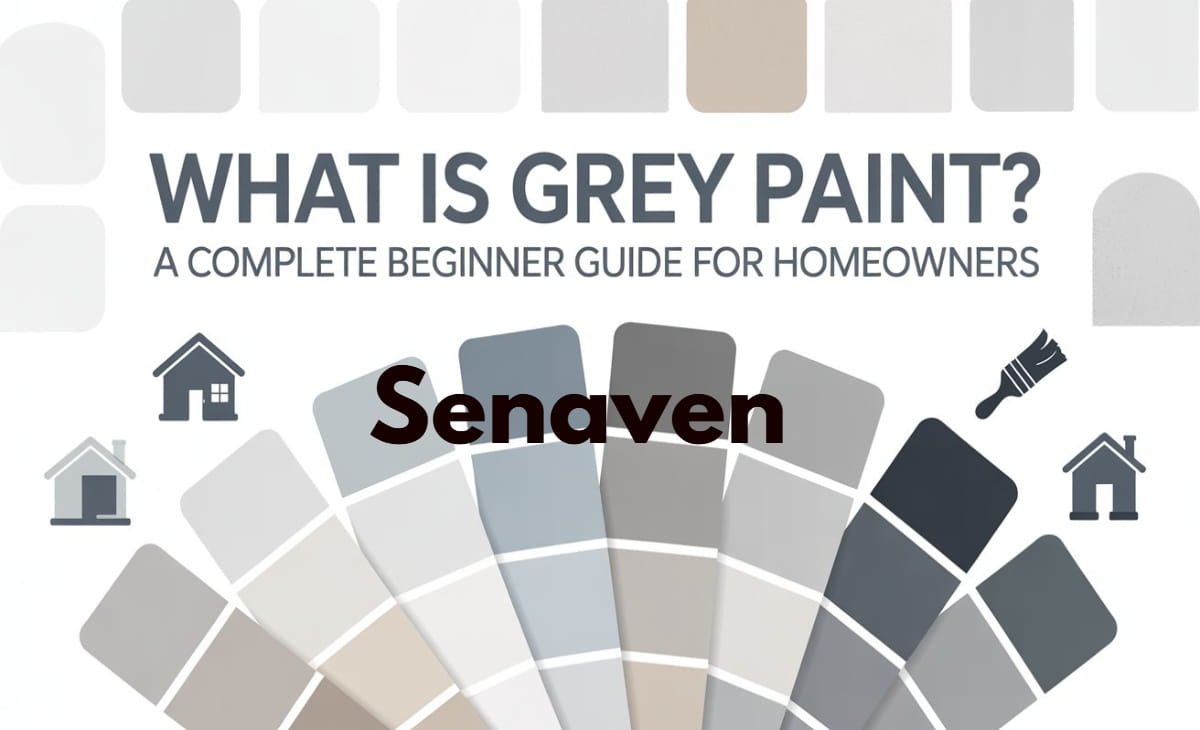
Grey Paint Colors and Undertones Explained
Not all grey paint colors are the same. The hidden undertones inside the paint determine whether it feels warm, cool, or balanced.
Cool greys often have blue or purple undertones, giving them a crisp and modern look. If you’re struggling with purple tones appearing unexpectedly, understanding how to balance purple in real home spaces can help you avoid common mistakes. These are commonly used in contemporary interiors but can feel cold in low-light spaces.
Warm greys, often called greige, include brown or beige undertones. These are softer, more inviting, and currently more popular because they adapt better to different lighting conditions.
There are also grey-green tones, which are becoming a major trend in 2026. These shades bring a natural, earthy feel and work especially well in living spaces and bedrooms.
A simple way to identify undertones is to compare your paint sample with a pure white surface. The hidden color will become more noticeable instantly.
Grey Paint Shades: Light, Medium, and Dark
Grey paint shades can completely change the feel of a space depending on their depth.
Light grey shades are ideal for small rooms or areas where you want to create an open and airy feel. They reflect more light and make spaces appear larger.
Medium greys are the most versatile and commonly used. They provide enough depth to add character without making the room feel heavy.
Dark greys, such as charcoal, create a bold and dramatic look. These are best used for accent walls, feature areas, or exterior designs rather than entire small rooms.
One important thing to remember is that grey almost always looks darker on walls than on a sample card, so choosing a slightly lighter shade is usually a safer decision.
How Lighting Affects Grey Paint on Walls
Lighting is one of the most important factors when choosing grey paint for walls. The same shade can look completely different throughout the day.
In north-facing rooms, grey tends to appear cooler and slightly blue. In south-facing rooms, natural sunlight brings out warmth, making the color feel softer and more balanced.
East-facing rooms have warm tones in the morning and cooler tones later in the day, while west-facing rooms develop richness in the evening light.
Artificial lighting also plays a major role. Warm lights make grey feel cozy, while cool white lights can exaggerate blue undertones and make the space feel colder.
This is why testing paint directly on your walls and observing it for at least two days is essential before making a final decision.
Grey Paint for Walls: How to Use It Correctly
Using grey paint on walls requires more than just picking a shade. It involves balancing the entire space.
Grey walls work best when paired with contrasting elements like white trim, wooden furniture, or textured fabrics. Without this balance, the room can feel flat or lifeless.
For bedrooms and living rooms, softer greys create a calm and relaxing environment. In kitchens and bathrooms, slightly warmer greys or greige tones help maintain a clean yet welcoming feel.
Instead of painting every wall the same color, many homeowners now prefer using grey as a base and adding variation through accent walls or décor.
Grey Paint Combinations That Always Work
Choosing the right grey paint combinations can transform your space from basic to professionally designed. The key is pairing grey with colors that enhance its undertones rather than clash with them.
Here are some of the most effective combinations:
- Grey and white create a clean and timeless look, perfect for modern interiors
- Grey and wood tones add warmth and prevent the space from feeling cold
- Grey and black give a bold, contemporary style often used in luxury designs
- Grey and soft pastels (like blush or light blue) bring a subtle, elegant contrast
- Grey and green create a natural, calming environment that feels fresh and balanced
These combinations work because they introduce contrast and depth, which grey alone cannot provide.
Grey Paint Room Ideas (Room-by-Room Guide)
Different rooms require different approaches when using grey paint.
In living rooms, medium warm greys are ideal because they create a welcoming and comfortable atmosphere. Pairing them with soft lighting and textured décor enhances the overall feel.
Bedrooms benefit from lighter or slightly warm greys that promote relaxation. Combining grey with soft fabrics and neutral tones creates a peaceful environment.
Kitchens look best with greige or grey-green shades, especially when combined with white cabinets or wooden finishes. This keeps the space modern but not overly cold.
Bathrooms often use light grey shades to achieve a clean, spa-like look. Proper lighting is important here to prevent the color from appearing dull.
Grey Paint Wall Design Ideas (Modern Trends)
Grey paint is no longer just about plain walls. Modern wall design trends use grey in creative ways to add personality to a space.
Accent walls in darker grey shades are a popular choice, especially behind beds or sofas. Panel molding combined with grey paint adds depth and a premium feel.
Two-tone walls, where grey is paired with white or another neutral, are also trending. This approach breaks monotony and adds visual interest without overwhelming the room.
Textured finishes, such as matte or soft sheen grey walls combined with natural materials, are becoming increasingly popular in 2026 interiors.
Step-by-Step Guide to Choosing the Right Grey Paint
- Start by analyzing your flooring, furniture, and fixed elements to ensure the undertones match
- Observe how natural light enters your room throughout the day
- Test large paint samples on multiple walls instead of relying on small swatches
- Live with the samples for at least 48 hours to see real changes
- Choose the right finish based on the room’s function
Common Mistakes to Avoid
- Choosing grey paint based only on online images
- Ignoring undertones and how they interact with your space
- Skipping proper sampling and testing
- Using cool greys in rooms with poor lighting
- Painting the entire house the same shade without variation
These mistakes often lead to disappointment, even when the color looked perfect initially.
Expert Advice from Real Experience
From real home projects, one thing stands out clearly: grey paint works best when it is treated as part of a complete design, not just a wall color.
The most successful spaces combine grey with warm materials, proper lighting, and thoughtful contrasts. Rushing the decision or ignoring undertones almost always leads to regret.
Investing in high-quality paint and taking time to test shades in real conditions makes a noticeable difference in the final result.
FAQs About Grey Paint
Why does my grey paint look blue or purple?
Because of cool undertones and lighting, especially in low-light or north-facing rooms.
What is the best grey paint for walls?
Warm greys or greige shades work best for most rooms as they feel more balanced and inviting.
Which colors go well with grey paint?
White, wood tones, black, green, and soft pastels pair beautifully with grey.
Is grey paint still in style in 2026?
Yes, but warmer greys and greige tones are more popular than cool greys.
How do I choose the right grey shade?
Test samples on your walls, check lighting, and choose a slightly lighter shade than you like.
Conclusion
Grey paint continues to be one of the most versatile and reliable choices for modern homes, but achieving the perfect look requires more than simply picking a color.
By understanding undertones, choosing the right shade, using proper lighting, and combining grey with complementary elements, you can create a space that feels balanced, stylish, and timeless.
Take your time, test thoroughly, and focus on how the color works in your actual space. That’s the difference between a good result and a truly exceptional one.