Economy Home Decor 2026: Stylish Ways to Refresh Your Home on a Budget
Creating a beautiful home in 2026 doesn’t have to be expensive. Economy home decor is all about combining smart planning, creativity, and practical solutions to refresh your living spaces without overspending. With modern trends leaning toward sustainability, multifunctional furniture, and smart lighting, homeowners can now achieve a stylish, functional home that reflects their personality while staying budget-conscious.
This guide will take you through the steps to plan, execute, and maintain a budget-friendly home makeover, including expert tips, DIY ideas, and 2026-specific trends that make your space both attractive and practical.
Understanding Economy Home Decor
Economy home decor focuses on maximizing style while minimizing cost. Unlike high-end interior design, which often depends on luxury materials and designer furniture, economy decor prioritizes functionality, aesthetics, and budget equally. This approach encourages homeowners to repurpose items, shop smartly, and adopt DIY solutions wherever possible.
In 2026, the trend has shifted even more toward sustainable and eco-conscious choices. Using recycled fabrics, low-VOC paints, and reclaimed wood has become mainstream, allowing homeowners to create beautiful interiors while contributing to environmental responsibility. Beyond cost savings, economy home decor also promotes a sense of personalization, enabling every room to reflect individual taste without compromising style.
Planning Your Budget-Friendly Home Makeover
Before buying anything, a clear plan is essential. Begin by walking through your home and identifying areas that require the most attention. Focus on high-impact changes first, such as walls, lighting, and textiles, which can transform a room’s appearance quickly and affordably.
Decide on a color palette and design style early in the planning stage. Neutral tones for walls and major furniture allow flexibility, while accent pieces in brighter shades can be rotated seasonally to keep the space fresh. Technology now offers virtual room planners and AI-powered mood boards, helping homeowners visualize changes before committing to purchases.
A well-structured plan ensures that your budget goes toward updates that create a noticeable difference, rather than scattered purchases that may not contribute to a cohesive design. Prioritize areas that are highly visible and frequently used, ensuring both practicality and aesthetic appeal. Neutral tones for walls and major furniture allow flexibility, and you can explore timeless neutral wall colors for budget-friendly options that work in any room.
High-Impact Updates for Economy Home Decor
Some updates create a bigger effect for a smaller investment. Focusing on these high-impact changes ensures your home looks stylish without exceeding your budget.
Practical updates in 2026 include:
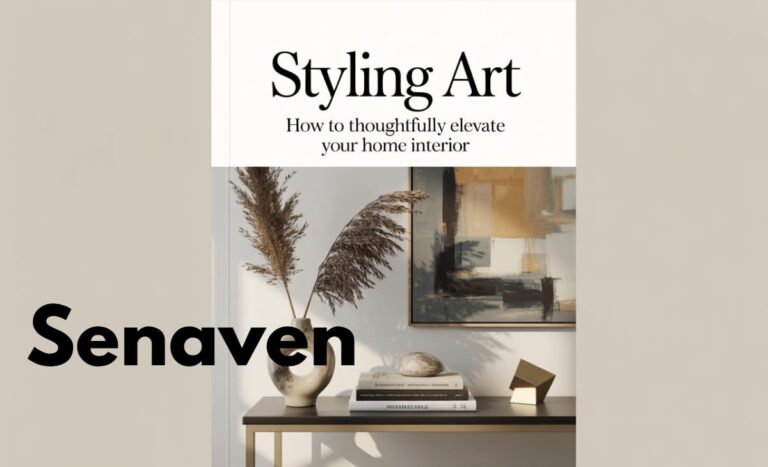
- Walls and Artwork: Removable wallpaper, framed prints, or DIY wall art provide personality and flexibility. Seasonal rotations of accent pieces keep rooms feeling fresh.
- Lighting: Affordable smart bulbs, LED strips, and refurbished fixtures enhance ambiance while saving energy.
- Furniture: Upcycling, repainting, or reupholstering old furniture gives it a modern look. Choosing multifunctional pieces, like storage ottomans or foldable desks, maximizes both style and utility.
- Textiles: Rugs, cushions, curtains, and throws bring warmth, color, and texture. Swapping these seasonally refreshed rooms without large investments.
- Greenery and Accessories: Adding plants or repurposed decorative items introduces natural aesthetics and vibrancy.
These updates not only improve the visual appeal but also contribute to a functional and welcoming environment. With thoughtful planning, even a small investment can yield a substantial transformation.
DIY and Creative Solutions
DIY projects are an integral part of economy home decor. Even simple projects can dramatically enhance a space while reflecting your personality.
DIY and creative strategies include:
- Upcycling jars, crates, or baskets into planters or storage solutions
- Creating custom wall art or sewing cushion covers
- Repurposing furniture through sanding, repainting, or reupholstering
- Combining old and new pieces for a curated, designer-inspired aesthetic
Seasonal rotations of textiles and accessories keep spaces looking updated without frequent purchases. Online tutorials and virtual workshops in 2026 make these projects accessible, while ensuring safety when following instructions.
By embracing DIY, homeowners can reduce costs, avoid waste, and create spaces that are both functional and uniquely personal. Furniture: Upcycling, repainting, or reupholstering old furniture gives it a modern look. For tips on selecting the right cabinets and practical upgrades, focus on multifunctional pieces that maximize both style and utility.
Expert Advice and Common Mistakes
To achieve a cohesive and professional look, it is important to approach economy home decor strategically. Stick to 2–3 main colors for continuity, and mix textures like wood, metal, and fabrics to add depth without increasing costs. Layering thrifted or repurposed items with a few high-impact statement pieces can emulate a designer look on a budget.
Common mistakes to avoid include overcrowding spaces with small items, ignoring measurements, neglecting style coordination, and skipping safety precautions in DIY projects. By planning ahead and focusing on a few high-impact updates, you can avoid these pitfalls and make the most of your budget.
FAQs About Economy Home Decor
Can economy home decor look luxurious?
Yes. Strategic use of color, texture, and statement pieces can create a high-end appearance, even with budget-conscious updates.
Is DIY safe for home decor projects?
Most DIY projects are safe when proper guidance is followed. Always use protective gear, and avoid complex electrical or structural tasks unless handled by professionals.
How can I start decorating on a tight budget?
Begin by decluttering and assessing what can be reused. Focus on high-impact areas like walls, lighting, and textiles first, which offer the most visible transformation.
Can second-hand items fit modern design trends?
Absolutely. With minor refurbishing or careful placement, thrifted items can seamlessly complement contemporary interiors.
Conclusion
Economy home decor in 2026 proves that style and affordability can coexist. By combining strategic planning, high-impact updates, creative DIY solutions, and sustainable materials, you can transform your home into a welcoming, stylish, and functional space.
Focus on quality over quantity, embrace modern trends, and prioritize updates that create visible changes. With careful planning and creativity, your home can reflect your personality while remaining financially manageable. Looking for more ideas to refresh your home without overspending? You can explore budget-friendly home styling ideas to see how others approach practical and stylish interior updates that can be adapted to any space.