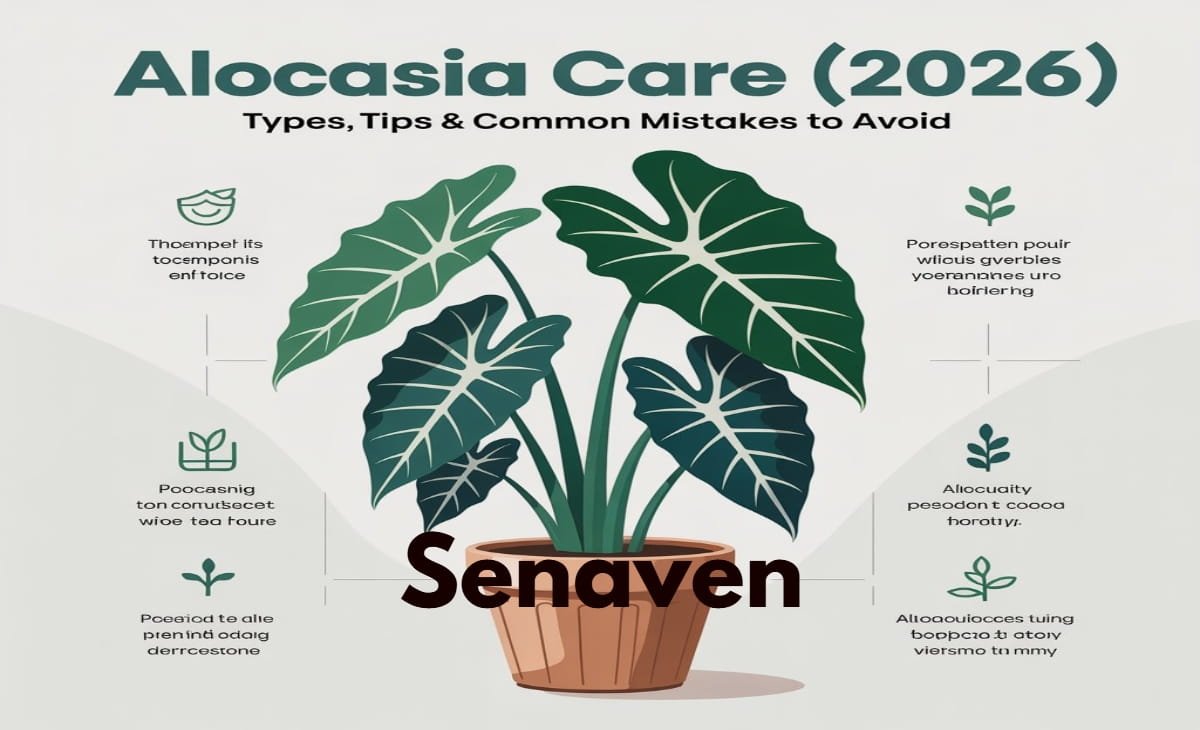
Alocasia Care (2026): Types, Tips & Common Mistakes to Avoid
Alocasia plants are one of the most visually striking indoor plants you can grow, known for their bold leaves, unique textures, and tropical appearance. From compact varieties like Alocasia Polly to dramatic collector plants like Alocasia Jacklyn and Black Velvet, each type brings its own personality into your home.
However, many plant owners struggle because It is not a “low-maintenance” plant. It reacts quickly to changes in water, humidity, light, and temperature. This often leads to drooping leaves, yellowing, or slow growth.
This complete guide will help you understand every major Alocasia type and how to care for them indoors in a simple, practical way—so your plant stays healthy year-round.
What is Alocasia? (Simple Explanation for Beginners)
It is a tropical plant family native to Asia and Eastern Australia. It is famous for its large, arrow-shaped leaves and dramatic veining patterns. These plants are often used in home interiors because they create a lush, modern jungle look even in small spaces.
What makes Alocasia special is that each species looks completely different. Some are small and compact, while others grow large and tree-like. But despite their beauty, they all share one thing in common—they are sensitive to environmental stress.
Complete List of Popular Alocasia Types (2026 Guide)
Alocasia Polly
It Polly is one of the most common indoor varieties. It has dark green leaves with sharp white veins and a compact structure. It is ideal for beginners compared to other Alocasia types, but still requires humidity and consistent care. If the air is too dry, its leaves will quickly develop brown edges.
Alocasia Black Velvet
This variety is highly popular among collectors due to its velvety, almost black leaves with bright silver veins. It stays small in size, making it perfect for shelves and desks. However, it is more sensitive than Polly and needs stable humidity levels to avoid leaf damage.
Alocasia Frydek
It looks elegant and premium but requires consistent moisture and indirect light. Sudden changes in the environment often cause leaf drooping.
Alocasia Jacklyn
Alocasia Jacklyn is one of the newer “rare” varieties that has become very popular. It has deeply cut, jagged leaves that look very unique compared to traditional It. It grows best in warm, humid environments and is not ideal for beginners.
Alocasia Odora
Alocasia Odora is a much larger variety that can grow both indoors and outdoors. It has thick, upright leaves and is more tolerant than other types. In warmer climates, it can grow into a massive plant, making it ideal for spacious homes.
Alocasia Cucullata
This is often called the “Buddha’s Hand” plant in some regions. Alocasia Cucullata is considered one of the easier varieties to grow because it adapts better to indoor conditions. It is often recommended for beginners who want a low-stress Alocasia experience.
Alocasia Macrorrhizos
Also known as giant taro, this is one of the largest It species. It is not suitable for small apartments but works well in gardens or large indoor spaces. It grows fast in warm climates and can create a dramatic tropical effect.
General Alocasia Care Guide (Works for All Types)
Most plants follow similar care principles, even though their sensitivity levels may differ.
It needs bright but indirect light. Direct sunlight can burn its leaves, while low light slows down growth and weakens the plant over time. A spot near a filtered window is usually ideal.
Watering should always depend on soil moisture, not a fixed schedule. The soil should be slightly moist but never soggy. Overwatering is one of the most common reasons Alocasia plants die because it leads to root rot.
Humidity is extremely important. Since It naturally grows in tropical environments, dry indoor air can quickly damage its leaves. Most varieties prefer higher humidity levels, especially Frydek, Black Velvet, and Jacklyn.
The soil must be well-draining and airy. A mix of potting soil with perlite and organic material works best. Heavy soil retains too much water and increases the risk of root problems.
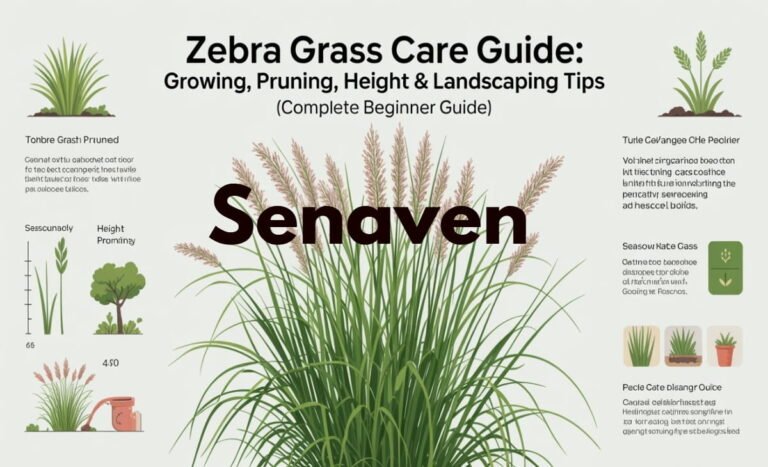
Temperature stability is also important. Sudden cold drafts or hot air from heaters can stress the plant and cause leaf drop. Large Alocasia varieties such as Odora and Macrorrhizos are often compared with ornamental grasses used in landscaping when designing outdoor spaces with height and texture. These tall decorative landscaping plants help create a more natural and structured garden look.
Most Common Alocasia Problems (And Why They Happen)
One of the most common issues is yellowing leaves, which usually happens due to overwatering or poor drainage. Another frequent problem is drooping leaves, which often indicates either inconsistent watering or insufficient light.
Brown edges on leaves are usually a sign of low humidity, especially in winter when indoor air becomes dry. Root rot is another serious issue that occurs when the soil stays wet for too long, often due to compact soil or excessive watering.
Like many popular indoor houseplants like Ficus, Alocasia also prefers stable indoor conditions with balanced light, humidity, and watering. Understanding how different tropical indoor greenery plants behave can help you avoid common care mistakes and keep your plants healthier for longer.
Biggest Mistakes People Make With Alocasia
Many people treat Alocasia like a regular houseplant, which leads to problems. One major mistake is watering on a fixed schedule instead of checking soil conditions. Another common issue is placing the plant in direct sunlight, which damages the leaves quickly.
Using heavy soil is another mistake because it traps water and suffocates the roots. Many beginners also ignore humidity needs, especially in dry indoor environments. These small mistakes can slowly weaken the plant over time.
Seasonal Alocasia Care (Simple Breakdown)
In spring and summer, It grows actively, so it needs more water, nutrients, and humidity. This is the best time for repotting or encouraging new growth.
In fall and winter, growth slows down. During this time, watering should be reduced, and fertilizing should be minimized to prevent stress on the plant.
Expert Advice for Healthy Alocasia Growth (Pro Tips)
It plants do best when their environment stays consistent. Frequent changes in light, watering, or placement often stress the plant more than help it. Stability is the key to long-term healthy growth.
Don’t react too quickly to single leaf issues. One yellow or old leaf is normal and part of the plant’s natural cycle. Instead, look at overall conditions like soil moisture, humidity, and light before making changes.
It’s also better to avoid frequent repotting. Alocasia prefers being slightly root-bound in its early growth stage, and unnecessary repotting can slow its development.
Lastly, keep the leaves clean. Dust buildup reduces light absorption, so gently wiping the leaves every couple of weeks helps the plant grow stronger and healthier.
Conclusion
It plants are not difficult once you understand their behavior. The key is consistency in light, watering, and humidity. Each type—whether it’s Polly, Frydek, or Jacklyn—has slightly different needs, but all of them respond well when their environment stays stable.
If you treat Alocasia as a “tropical-sensitive plant” rather than a basic houseplant, you will see long-term healthy growth and beautiful foliage.
FAQs
Which Alocasia is easiest to grow?
Alocasia Cucullata is generally considered the easiest because it adapts well to indoor environments.
What is the rarest Alocasia type?
Alocasia Jacklyn and Black Velvet are considered rare and highly sought-after varieties.
Why are my Alocasia leaves drooping?
Most commonly due to inconsistent watering, low humidity, or sudden environmental changes.
Can It survive indoors?
Yes, all major Alocasia types can survive indoors if humidity, light, and watering are properly managed.
How fast does It grow?
Growth speed depends on the type and environment, but most grow moderately during warm seasons.