What Is Soft Sage? Complete Beginner Guide for Stylish, Calm Homes
Soft sage is one of the most sought-after colors in home design today, offering a calm, earthy green that can transform any space. Its muted tone creates a relaxing atmosphere without overwhelming a room, making it perfect for walls, cabinets, furniture, and accents. Whether you are updating your living room, bedroom, kitchen, or bathroom, understanding soft sage is key to achieving a cohesive, stylish interior.
In this guide, you’ll learn what soft sage is, how to use it effectively, common mistakes to avoid, practical tips for pairing and lighting, and expert advice to make the most of this versatile color.
What Is Soft Sage?
It is a muted green with gray undertones inspired by the leaves of the sage herb. Unlike bright greens, it has a subdued, sophisticated appearance that blends beautifully with neutral and natural materials. This makes it suitable for both contemporary and traditional interiors. The gray undertones make it highly versatile, allowing it to complement a wide range of colors, textures, and lighting conditions, from sunny rooms to shaded corners. It can create a sense of calm and balance while still adding a hint of color, making it a timeless choice for any space.
Why Soft Sage Is Popular in Home Design
The popularity of soft sage stems from both its aesthetic and functional qualities. It provides a soothing, calming effect that works well in bedrooms, bathrooms, and living areas where relaxation is important. Its versatility allows it to pair seamlessly with neutral tones such as cream, beige, and taupe, as well as bolder shades like navy or terracotta. Unlike some trendy colors that fade in popularity, It maintains a timeless appeal, making it a long-lasting investment for your home décor. Additionally, the color interacts beautifully with natural light, subtly enhancing brightness without overwhelming the room.
It also offers an opportunity for creative layering, whether through fabrics, furniture, or small décor items. By pairing it with different textures, homeowners can achieve a sophisticated, dynamic look without needing to introduce multiple contrasting colors. The gray undertones make soft sage highly versatile, allowing it to complement a wide range of colors and lighting conditions—learn more in this guide on gray tones.
Benefits of Using Soft Sage in Your Home
- It promotes a calming, peaceful atmosphere, ideal for spaces intended for relaxation or focus.
- Its versatility makes it easy to combine with a variety of colors and materials, allowing for flexible interior design options.
- The muted, neutral-friendly tone helps maintain a timeless look, ensuring your design remains stylish for years.
- Soft sage subtly reflects light, making rooms feel brighter and more open while still maintaining warmth.
How to Use Soft Sage in Different Rooms
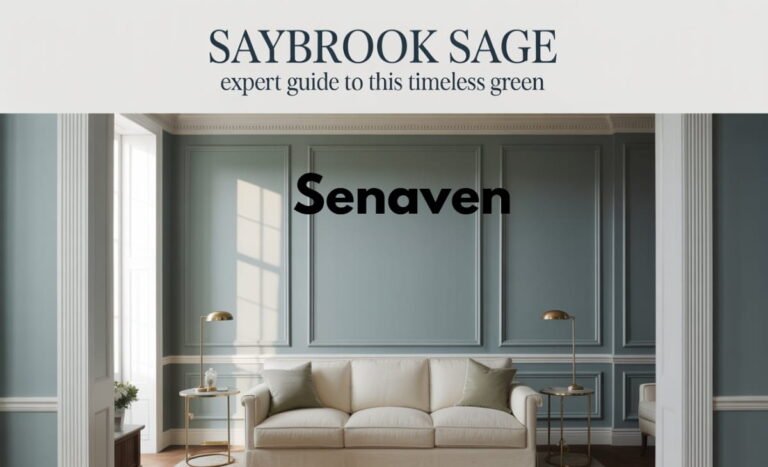
In the living room, soft sage works beautifully as either an accent wall or subtle décor accents. Paired with cream sofas, wooden furniture, and metallic accessories, it creates a balanced, inviting space. In bedrooms, Its walls can encourage better sleep and relaxation, and layering with white bedding, warm wood furniture, and soft throws enhances both comfort and style.
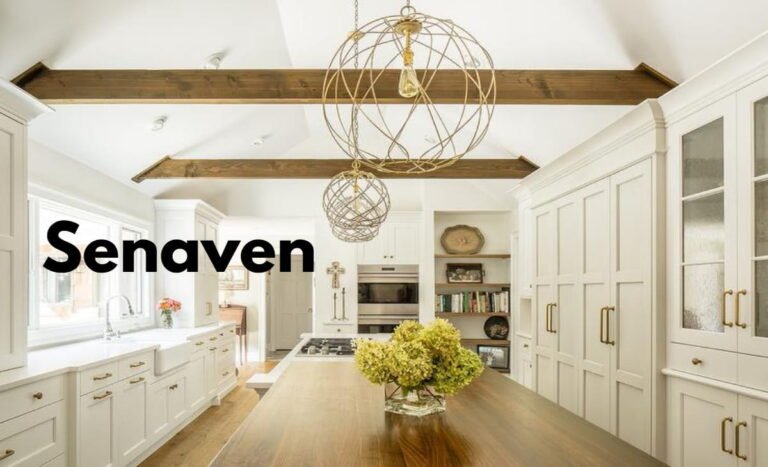
Kitchens benefit from soft sage cabinetry, offering an elegant alternative to standard whites or grays. Marble countertops or metallic hardware can complement this tone, while proper lighting ensures the color remains vibrant. In bathrooms, soft sage walls or tiles create a spa-like atmosphere, pairing well with natural stone, bamboo accents, and white linens. Using matte finishes here maintains a calming, glare-free ambiance.
Soft sage can also be applied in unexpected spaces, such as laundry rooms, hallways, or pantry doors, providing subtle cohesion throughout the home. Its understated tone makes it versatile enough to suit both minimalistic and layered design approaches.
Common Mistakes to Avoid When Using Soft Sage
Choosing the wrong undertone is a common mistake, as soft sage can lean gray or blue depending on the light. Testing paint samples under natural and artificial light is essential before committing. Overloading a room with green can create an unwanted “herbal” look, so balance soft sage with neutral or complementary colors. Selecting the wrong paint finish may also detract from the desired effect; matte finishes maintain calmness, while glossy finishes can feel dated. Finally, ignoring lighting can make It appear dull, so incorporating adequate natural or artificial light is critical for the best results. Kitchens benefit from soft sage cabinetry—learn more about choosing the right cabinets for your home.
Tools, Materials, and Costs
- Painting soft sage walls requires standard tools such as brushes, rollers, painter’s tape, and drop cloths. It is recommended to use low-VOC paint for safety and consider primer if covering darker walls. Quality paint typically costs between $25–$50 per gallon.
- For soft sage accents, including cushions, rugs, curtains, or throws, prices range from $20 to $150 depending on material and brand. Proper ventilation and workspace protection are essential for both painting and decorating projects to maintain safety and achieve the best results.
Practical Tips for Real-World Home Use
Before committing to a full paint job, test soft sage samples on multiple walls to observe how different lighting conditions affect the shade. Layering textures, such as linen, velvet, wood, or stone, adds depth without requiring extra color. Using It as a base allows for easy seasonal updates through pillows, décor, or throws. Warm LED lighting enhances the color’s calming nature, while harsh fluorescents can diminish its appeal. Additionally, pairing soft sage with eco-friendly materials and finishes promotes a healthier, sustainable home environment.
Alternatives and Complementary Colors
Muted olive is slightly warmer and works well in rustic or Mediterranean-style interiors. Pale mint provides a brighter, fresher alternative suitable for casual or smaller spaces. Warm taupe pairs beautifully with It for an earthy, layered aesthetic. To add depth without extra colors, homeowners can focus on textures like jute rugs, velvet cushions, or wooden furniture, creating visual interest while maintaining a cohesive palette.
Expert Advice & Best Practices
Test paint in the actual room and lighting conditions before full application. Use It strategically, such as on accent walls or with furnishings, rather than saturating entire spaces. Pairing with natural materials, indoor plants, and textured fabrics enhances warmth and sophistication. Repeat It accents across rooms for cohesion and balance, maintaining a harmonious flow throughout the home.
FAQs About Soft Sage
Is soft sage suitable for small rooms?
Yes. Its muted tone reflects light, making small spaces feel brighter and airy.
Can it be used with wooden furniture?
Absolutely. Both light and dark wood pair beautifully with It.
Is soft sage good for kitchens?
Yes. Ideal for cabinets, it works well with marble countertops and metallic hardware.
How to prevent it from looking dull?
Use layered textures and accent colors, and ensure proper lighting.
Which paint finish is best?
Matte or eggshell for walls; gloss is better for furniture or cabinetry.
Can it be used in bathrooms?
Yes. Soft sage creates a spa-like feel when paired with natural stone and white accents.
Conclusion
It is a versatile, calming, and timeless color that enhances virtually any room in your home. Its muted green tone promotes serenity, pairs well with a wide range of colors, and elevates interior spaces with subtle sophistication. By following expert advice, avoiding common mistakes, and layering textures thoughtfully, homeowners can confidently incorporate soft sage into their living spaces to create both stylish and serene environments.