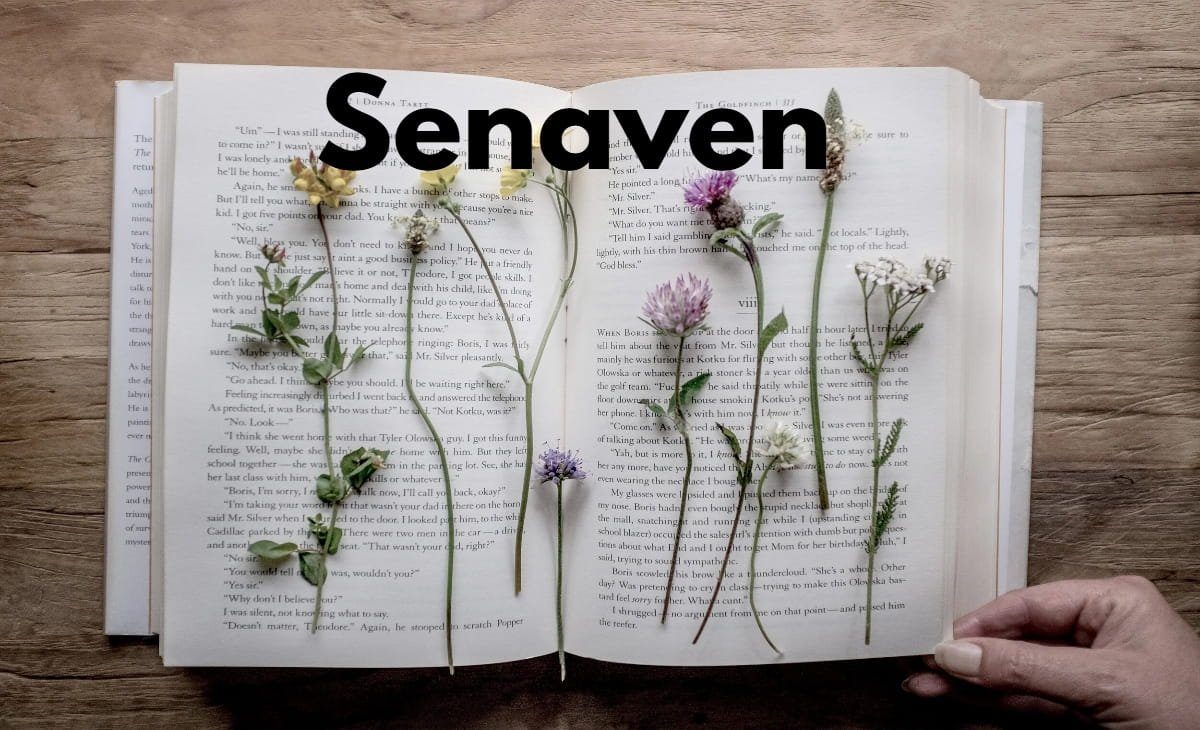
What Is a Flower Press? Complete Beginner Guide for Perfectly Pressed Flowers
If you’ve ever tried preserving a beautiful bloom inside a book only to find it brown, wrinkled, or moldy weeks later, you’re not alone. Many beginners underestimate how much moisture control and airflow matter when flower press.
A flower press solves this problem by applying even pressure while allowing gradual dehydration. But simply owning one isn’t enough. To get vibrant, flat, long-lasting results, you need to understand how it works, which flowers perform best, and how to avoid the most common mistakes.
After reviewing leading tutorials on the subject, it’s clear most explain the basics but miss deeper practical advice like humidity management, paper replacement timing, color preservation, and long-term storage. This guide combines foundational knowledge with real-world expertise so you can confidently preserve flowers the right way.
By the end, you’ll understand how a flower press works, how to use it properly, what to avoid, and how to make your results last for years.
What Is a Flower Press and How Does It Work?
A flower press is a tool designed to flatten and dry flowers using steady compression and absorbent layers. Most traditional versions include two wooden boards, blotting paper, cardboard ventilators, and screws or wing nuts that apply pressure.
The science behind it is simple but important. Flowers contain a high percentage of water. When placed between absorbent sheets and tightened evenly, moisture is slowly drawn out of the petals. The cardboard layers allow subtle airflow, preventing trapped humidity that can cause mold. The steady pressure keeps petals flat as they dry, preventing curling or distortion.
The key factor is gradual drying. When flowers dry too quickly, pigments break down and turn brown. When they dry too slowly in humid conditions, mold develops. A proper balance of airflow, absorbency, and pressure is what makes pressing successful.
Types of Flower Presses and Which One Is Best
There are several types available, and each serves a slightly different purpose. The traditional wooden press remains the most reliable choice because it offers consistent compression and reusable layers. Microwave versions speed up the process dramatically but require careful monitoring to prevent scorching or discoloration. Decorative mini presses are compact and visually appealing, though they limit the size of flowers you can preserve. The book method is the simplest and most budget-friendly option, but it lacks ventilation, increasing the risk of uneven drying.
For beginners who want predictable results, a standard wooden press is usually the safest and most forgiving option.
How to Use a Flower Press Correctly
Using a flower press properly begins before you even place a flower inside it. Start by choosing fresh blooms that are dry and free from dew. Mid-morning harvesting is ideal because moisture from early dew has evaporated, but the flowers have not yet wilted in afternoon heat.
Prepare your flowers by trimming thick stems and removing excess leaves. If pressing a bulky bloom such as a rose, slice it vertically to reduce internal moisture. Arrange petals carefully because once pressure is applied, repositioning becomes nearly impossible.
Layering matters. Place cardboard on the bottom board, followed by blotting paper, then the flower. Cover with another sheet of paper and cardboard before adding the top board. Tighten screws gradually and evenly in a diagonal pattern to distribute pressure.
Store the press in a warm, dry area for two to three weeks. In humid climates, placing it in an air-conditioned room helps prevent mold. If pressing thicker flowers, replacing the blotting sheets after three or four days significantly improves results — a detail many guides overlook.
When removing the dried blooms, open the press slowly and use tweezers for delicate petals.
Best Flowers for Pressing
Certain flowers naturally perform better in a press because of their thin structure and lower moisture content.
- Pansies
- Daisies
- Ferns
- Lavender
- Cosmos
Thick, fleshy flowers require more preparation and careful monitoring. Succulents and very dense blooms generally do not press well due to excessive water retention. One of the biggest advantages of pressed flower art is that it offers a beautiful way to create budget-friendly home decor updates without purchasing expensive artwork.
Common Mistakes and How to Avoid Them
Beginners often assume pressing is simply a matter of tightening boards and waiting. In reality, small missteps can ruin the outcome.
- Pressing flowers that still contain surface moisture
- Overcrowding blooms so they touch
- Using paper towels instead of proper blotting paper
- Storing the press in humid rooms
- Opening the press too early
Another commonly overlooked issue is improper storage after drying. Even fully pressed flowers can reabsorb moisture if left exposed to humid air. Store finished blooms in airtight containers with silica packets until ready for framing or crafting.
Flower Press vs Other Drying Methods
People often compare pressing with air drying, silica gel drying, or microwave methods. Air drying preserves three-dimensional shape but causes shrinkage and curling. Silica gel maintains form beautifully but costs more and requires careful handling. Microwave techniques dramatically reduce drying time but increase the risk of color fading if overheated.
For flat artwork, bookmarks, greeting cards, and framed botanical displays, pressing remains the most dependable method because it produces consistent flattening and strong color retention when done correctly.
Practical Uses at Home
Pressed flowers can be transformed into beautiful decorative pieces that work especially well when you focus on thoughtfully styling wall art in your home.
- Framed botanical wall art
- Handmade greeting cards
- Bookmarks
- Scrapbook accents
- Resin coasters
To protect color over time, use UV-protective glass when framing. Sunlight is one of the main causes of fading, even when flowers were dried properly.
Costs, Maintenance, and Long-Term Care
A quality flower press is generally affordable, with most reliable options falling within a modest price range. Ongoing costs are minimal and mainly involve replacing blotting paper.
For long-term performance, keep the press stored in a dry environment. Replace stained or saturated paper layers promptly. If boards begin to warp, check for moisture exposure and allow them to dry fully before reuse.
For archival projects, using acid-free paper ensures your pressed flowers maintain their appearance for years without discoloration.
Expert Best Practices for Consistent Results
Experience shows that small adjustments make a major difference. Harvest flowers at peak bloom rather than when fully mature. Label each pressing batch with the date and flower type for better tracking. Slightly elevating the press improves air circulation underneath. Test a single bloom before pressing sentimental arrangements such as wedding bouquets. If framing, allow the flowers to rest in a dry container for a few days before sealing them behind glass.
These practices ensure better color preservation, structural integrity, and long-term durability.
Frequently Asked Questions
How long does it take to press flowers?
Traditional pressing typically takes two to three weeks, depending on flower thickness and humidity levels.
Why did my pressed flowers turn brown?
Browning usually happens due to excess moisture, poor airflow, or storing the press in a humid environment.
Can I press an entire bouquet at once?
It’s better to separate blooms and press them individually to ensure even drying and prevent mold.
How long do pressed flowers last?
When stored in a dry, UV-protected environment, they can last for many years without major fading.
Is microwave pressing better than traditional pressing?
Microwave methods are faster, but traditional pressing generally offers more consistent and reliable color retention.
Conclusion
A flower press may appear simple, but successful flower preservation depends on patience, moisture management, and careful preparation. When used properly, it transforms fresh blooms into lasting keepsakes suitable for home décor, gifts, and creative projects.
The difference between faded, brittle results and vibrant preserved flowers lies not in expensive equipment but in understanding the process. By following proper layering techniques, managing humidity, and storing finished pieces correctly, you can create beautiful pressed flowers that remain stunning for years.