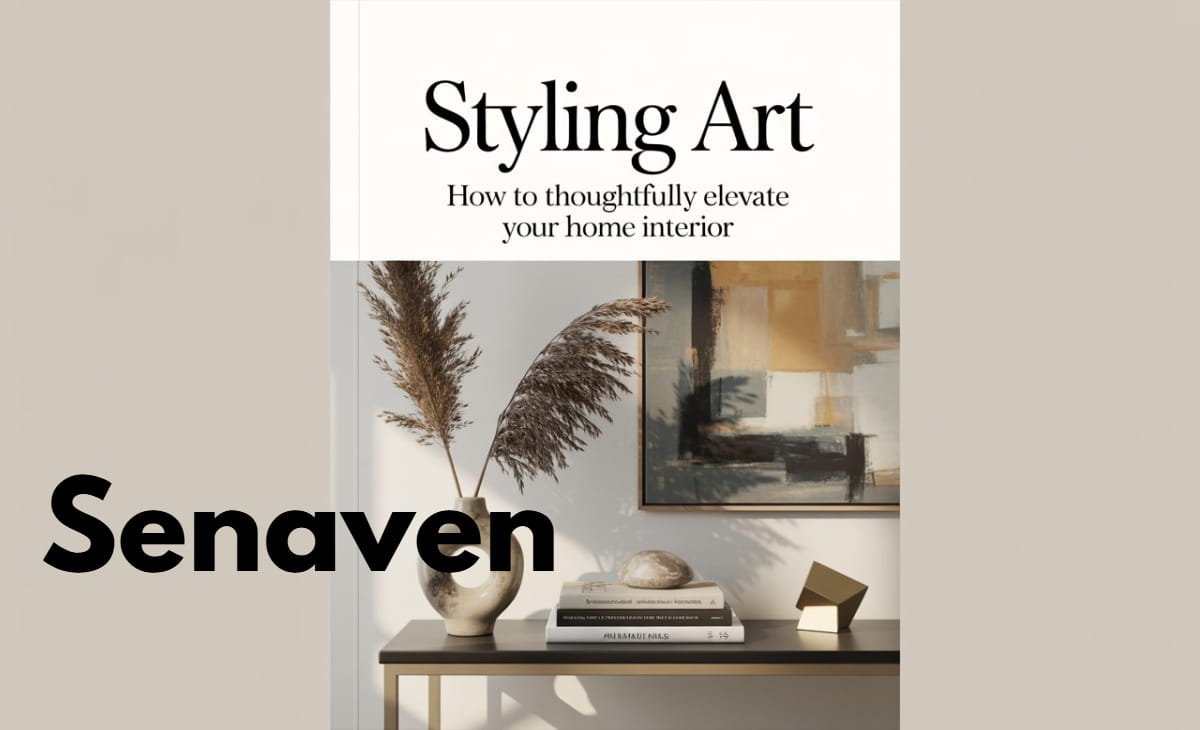
Styling Art: How to Thoughtfully Elevate Your Home Interior in 2026
Art can completely transform the feel of a home, giving it personality, warmth, and style. Yet many homeowners struggle to place and present art in a way that enhances the space. A beautiful piece can lose its impact if it is hung too high, poorly proportioned, or visually disconnected from furniture and architecture. This is where styling art becomes crucial.
Styling art is not about following fleeting trends or buying expensive artwork. Instead, it focuses on thoughtful placement, proportion, lighting, and how art interacts with your living space. When done right, it makes rooms feel intentional, cohesive, and emotionally resonant.
In this guide, we’ll explore what styling art truly means, provide practical step-by-step advice, and share real-world tips to help you achieve professional results in your own home.
What Is Styling Art and Why It Matters
Styling art refers to the deliberate placement and presentation of artwork to complement the room’s design rather than compete with it. This goes beyond simply hanging a frame on the wall — it considers scale, proportion, spacing, lighting, and visual connection to furniture and architecture.
Properly styled art feels grounded, purposeful, and integrated into the room’s overall aesthetic. Poorly styled art, even if it’s expensive or high-quality, can feel awkward, out of place, or overwhelming. Styling art ensures that your home feels balanced, inviting, and reflective of your personal taste.
The Purpose of Styling Art in Real Homes
Every room has multiple functions, from living rooms used for entertaining and relaxing to bedrooms meant for rest and calm. Styled art enhances the mood of a space, softens harsh layouts, adds warmth to minimal interiors, and introduces contrast to neutral rooms.
Without thoughtful styling, walls can feel cluttered, rooms can appear smaller, and your artwork may lose its intended impact. By focusing on proportion, placement, and cohesion, styling art creates a sense of flow and harmony in everyday living spaces.
How to Style Art: A Step-by-Step Guide
The process of styling art involves more than intuition; it requires careful consideration of function, proportion, and placement.
Understand the Room’s Purpose
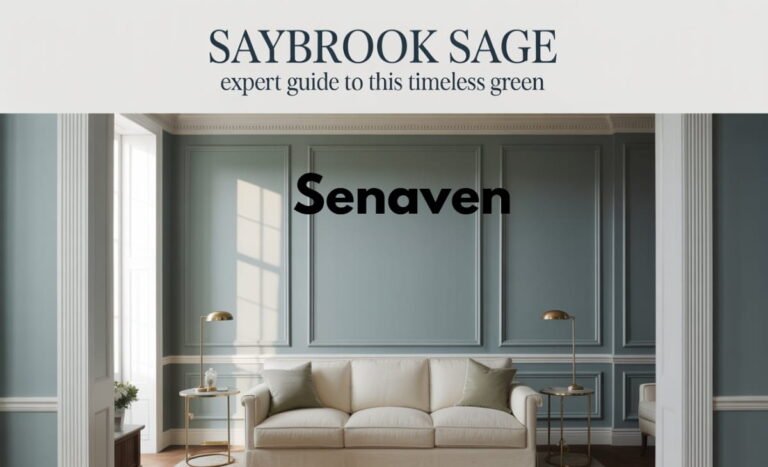
Art should reflect the emotional tone of the room. Bedrooms benefit from calming artwork, while living areas can embrace bold, expressive pieces. Matching the energy of the art with the room’s function ensures it enhances rather than distracts. Deep, natural shades like nature-inspired wall colors create a calming yet sophisticated backdrop, allowing your pieces to stand out without overwhelming the room.
Placement and Visual Connection
Artwork should relate to surrounding furniture or architectural features. Floating art without reference can appear disconnected. Measure walls, use paper templates, and test layouts on the floor to avoid repeated rehanging.
Perfect the Height and Scale
A common mistake is hanging art too high. Ideally, the center of the artwork should be at eye level (around 57–60 inches from the floor). When placed above furniture, leave 4–6 inches between the top of the piece and the furniture to maintain connection without hovering.
Consider Lighting
Proper illumination is essential to highlight colors, textures, and details. Use directional LED lights, picture lights, or soft accent lighting. Avoid harsh overhead lights that create glare or shadows.
Curate Groupings Thoughtfully
Gallery walls and art clusters work best when unified by color palette, theme, or frame style. Keep spacing consistent and anchor the layout with a dominant piece. Floor planning or templates help ensure balance before hanging.
Leverage Seasonal and Functional Rotation
Rotating art or switching pieces seasonally can refresh the space without buying new décor. Art can also be strategically used to visually correct room proportions, like widening narrow rooms or making ceilings feel taller.
Practical Styling Tips From Real Homes
Living in a space reveals subtleties that guides often overlook. Leave negative space to give important pieces room to breathe. Align art with architectural features like windows or beams for a grounded appearance. Consider leaning large pieces against walls or staircases for a casual yet modern look. Integrating accessories like pillows, rugs, or vases that echo art colors creates visual harmony. If you’re unsure how to pair warm and cool tones effectively, check out our guide on color harmony tips for interiors, which provides practical advice for achieving balance in real homes.
Common Mistakes Homeowners Make
Some of the most frequent styling errors include:
- Hanging art too high, especially in rooms with tall ceilings
- Choosing artwork that is too small for a wall, weakening visual impact
- Ignoring lighting, resulting in flat or dull presentation
- Mixing too many frame styles or themes without cohesion
- Overcrowding walls or leaving uneven empty spaces
Avoiding these mistakes saves time, reduces wall damage, and ensures your artwork looks intentional.
Safety and Practical Considerations
Art styling is not just aesthetic; safety matters too. Secure heavy frames with appropriate anchors, particularly in homes with children or pets. Avoid hanging glass-framed pieces directly above beds or seating areas. Protect paper-based or delicate artwork in humid rooms like bathrooms, kitchens, and laundry areas. UV-filtered glass can prevent fading from direct sunlight.
Tools, Materials, and Budgeting for Art Styling
Styling art doesn’t require expensive tools, but precision is key. Essentials include a measuring tape, level, pencil, and wall anchors. Professional-grade lighting and custom frames elevate the presentation, but careful placement and proportion often have the greatest visual impact on a budget.
Expert Advice for Styling Art
Professional designers recommend patience and planning: measure twice, test layouts on the floor, and consider lighting before hanging. Rules guide choices, but intuition and comfort matter. Successful styling evolves naturally with your home, reflecting your personal style over time. For more inspiration and detailed examples of creative gallery wall layouts and interior art placement ideas, you can also explore another comprehensive guide on styling art ideas and design inspiration.
FAQs About Styling Art
What is styling art in home décor?
It’s the thoughtful placement of artwork to complement the room’s layout, furniture, and atmosphere.
How high should artwork be hung?
Center the piece at eye level (57–60 inches from the floor) and keep it close to furniture for connection.
Can I mix different art styles and frames?
Yes, if you maintain visual consistency through color, spacing, or thematic elements.
Is it okay to display art on shelves or consoles instead of hanging?
Absolutely. This creates a relaxed, flexible look without wall damage.
What’s the most common mistake?
Hanging art too high or choosing pieces that are too small for the wall.
Do gallery walls still work in modern interiors?
Yes, but with curated restraint and careful spacing to avoid clutter.
Conclusion
Styling art thoughtfully is one of the most effective ways to elevate a home without structural changes. Well-placed art adds warmth, balance, personality, and purpose. By focusing on proportion, placement, and usability, homeowners can achieve professional-looking results that remain personal and adaptable. Take your time, observe your space, and let your art evolve naturally with your home.