Is Benjamin Moore White Dove Worth It in 2026?
Choosing the right white paint sounds easy — until you actually start comparing samples. One looks too bright. Another turns yellow at night. A third feels cold and lifeless. That’s exactly why Benjamin Moore White Dove continues to be one of the most searched and trusted white paints among homeowners.
But is it still worth choosing in 2026?
In this expert guide, we’ll look at how White Dove behaves in real homes, how lighting affects it, where it performs best, what mistakes to avoid, and how it compares to other popular whites. The goal is simple: help you decide with confidence before you invest time and money into repainting.
What Is Benjamin Moore White Dove?
Benjamin Moore White Dove (OC-17) is a soft, warm white created by Benjamin Moore. It is classified as an off-white, meaning it isn’t a stark, clinical white, but it also doesn’t lean heavily into beige.
With a Light Reflectance Value (LRV) of 83.16, White Dove reflects a significant amount of light without appearing blinding. In practical terms, this means it brightens a space while still feeling soft and comfortable. Its undertones include a gentle creamy warmth balanced by a hint of gray, which prevents it from looking overly yellow.
This balance is what makes White Dove so versatile across different homes and design styles.
How White Dove Looks in Different Lighting
Lighting is the most overlooked factor when choosing white paint. White Dove can look slightly different depending on room orientation and bulb temperature.
In north-facing rooms, which receive cooler natural light, White Dove may appear a touch grayer but still maintains enough warmth to prevent the room from feeling cold. In south-facing rooms with warm sunlight, it looks softer and creamier, creating a welcoming glow.
East-facing rooms tend to show warmth in the morning and a more neutral tone later in the day. West-facing spaces often feel neutral during the day but warmer in the evening.
Artificial lighting also plays a major role. Warm bulbs around 2700K can make White Dove look creamier. Very cool 4000K bulbs may flatten it and reduce its warmth. For balanced results, 3000K lighting usually gives the most natural appearance.
Testing in your own lighting conditions is essential before making a final decision. Many homeowners who want even more warmth often compare White Dove to a deeper warm neutral in traditional or transitional spaces.
Where Benjamin Moore White Dove Works Best
White Dove performs exceptionally well in whole-house color schemes because it creates continuity without feeling stark. In open-concept layouts, it allows spaces to flow naturally from room to room.
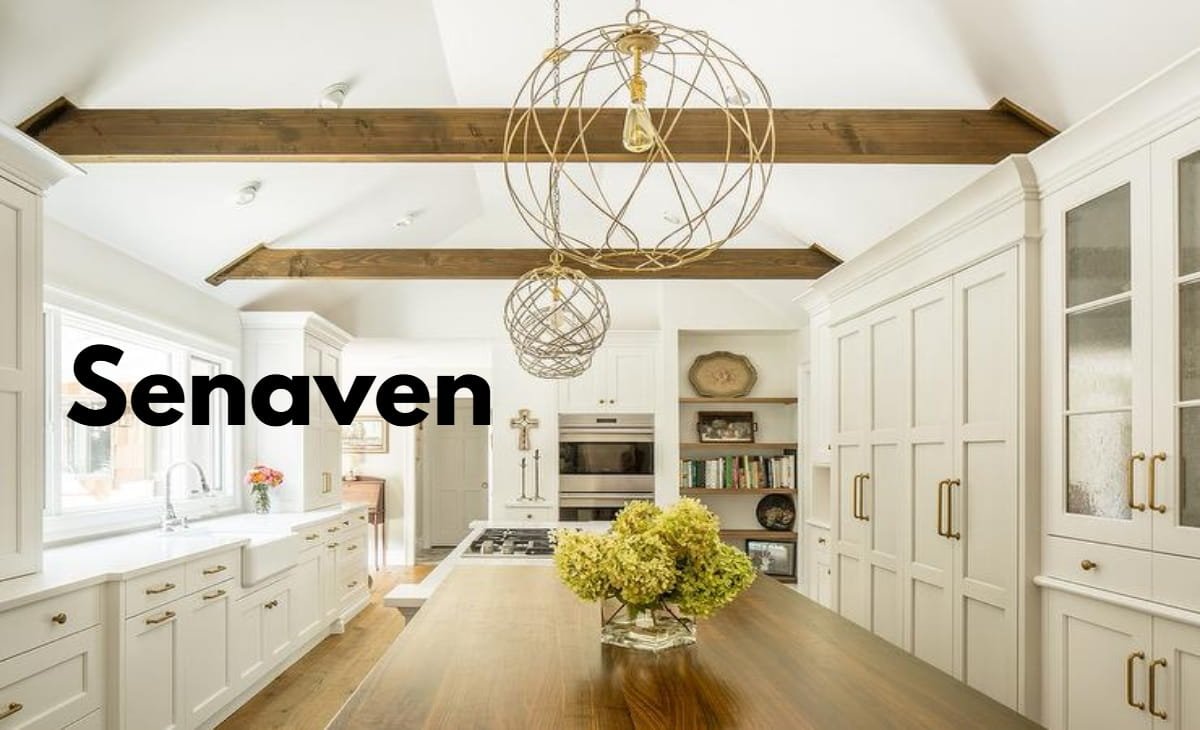
It is also one of the most popular choices for kitchen cabinetry. The soft warmth complements marble, quartz, and stainless steel appliances without clashing. When paired with satin or semi-gloss finishes, it offers durability while maintaining elegance.
In bedrooms, its subtle warmth promotes a calm atmosphere. When combined with warm wood furniture and neutral textiles, it creates a balanced and inviting environment.
For trim and doors, many homeowners use White Dove in a higher sheen than the walls to create gentle contrast without harsh separation lines.
Where White Dove May Not Be Ideal
While versatile, White Dove is not perfect for every home. If you are aiming for a crisp, ultra-modern aesthetic with strong contrast against dark features, you may find it too soft. In homes with very cool gray flooring, it can appear warmer than expected. In those cases, a softer greige alternative may feel more balanced.
It may also lean creamier in spaces with strong yellow artificial lighting or heavily orange-toned wood floors. In these situations, a cooler white might provide better harmony.
Understanding your existing finishes is just as important as understanding the paint itself.
White Dove vs Other Popular Whites
When comparing White Dove to other whites from Benjamin Moore, the differences are subtle but important.
Simply White is brighter and slightly more yellow. It works well in darker homes that need extra brightness. White Dove, on the other hand, is softer and more muted, making it easier to live with long term.
Chantilly Lace is much crisper and closer to a true white. It works beautifully in modern spaces but can feel stark in traditional homes. White Dove feels warmer and more forgiving by comparison.
Choosing between them often comes down to how much warmth and softness you want in the final look.
Benefits and Drawbacks
Benefits
- Extremely versatile across design styles
- Warm without heavy yellow undertones
- Works well in whole-house applications
- Pairs beautifully with natural materials
- Helps hide minor wall imperfections
Drawbacks
- May look creamier under very warm lighting
- Not ideal for ultra-modern, high-contrast designs
- Can appear slightly muted next to pure white fixtures
Understanding both sides helps prevent disappointment after painting.
Common Mistakes Homeowners Make
Mistakes to Avoid
- Testing only small paint swatches
- Ignoring flooring and countertop undertones
- Choosing lighting after painting instead of before
- Using flat finish in high-traffic areas
- Comparing it to online photos instead of in-person samples
Most repainting regrets happen because testing was rushed. Taking an extra two days to observe the color can save weeks of frustration.
Step-by-Step: How to Test White Dove Properly
Start by purchasing a sample and painting two large poster boards instead of applying directly to your walls. Move these boards around the room at different times of day. Observe them in both natural and artificial light.
Place the boards next to flooring, cabinetry, and trim to see how undertones interact. Live with the sample for at least 48 hours before making a final choice. This process dramatically reduces the risk of costly repainting.
Is Benjamin Moore White Dove Worth the Cost?
Premium paints from Benjamin Moore are typically more expensive than big-box alternatives. However, higher pigment quality often means better coverage and longer-lasting results.
In many cases, fewer coats are needed, and the finish remains durable for years. From a long-term value perspective, the investment often balances out, especially in high-visibility areas like kitchens and living rooms.
Is White Dove Still in Style in 2026?
Interior design trends have shifted away from cool grays toward warmer neutrals. White Dove fits perfectly within this transition. It complements wood accents, natural stone, and layered textiles — all popular elements in modern homes.
Unlike trend-driven colors, White Dove has remained consistently popular for over a decade. That consistency is a strong sign of longevity.
Final Verdict: Should You Choose White Dove?
Benjamin Moore White Dove remains one of the safest and most adaptable white paint choices available in 2026. It offers warmth without heaviness, brightness without harshness, and flexibility across multiple design styles.
If you want a timeless white that works in most lighting conditions and pairs well with natural materials, White Dove is a strong investment. Just remember that proper testing in your own home is the key to getting the results you expect.