Exterior Paint: Complete Beginner Guide + Types, Cost, Mistakes & Pro Tips
When homeowners search for exterior paint, they’re usually facing one of three situations: their house looks faded and outdated, the paint is peeling or cracking, or they’re planning a full repaint to increase property value. What many people don’t realize is that exterior paint is not just about color, it’s your home’s protective shield against moisture, UV rays, dust, and temperature changes.
A poor paint job can lead to trapped moisture, wood rot, mold growth, and expensive repairs within a few years. On the other hand, choosing the right product and applying it properly can protect your home for 7–12 years or more.
In this complete guide, you’ll learn how exterior paint works, how to choose the right type and finish, what it realistically costs, the step-by-step process professionals follow, and the common mistakes that shorten paint lifespan.
What Is Exterior Paint and How Does It Work?
Exterior paint is specially engineered to survive harsh outdoor conditions. Unlike interior paint, it must withstand direct sunlight, rain, humidity, pollution, wind, and constant expansion and contraction of building materials.
High-quality exterior paint contains flexible binders that allow it to stretch and shrink as siding expands in heat and contracts in cooler temperatures. It also includes UV blockers to reduce fading and mildew-resistant additives to prevent mold growth in damp environments. This combination creates a protective film over your home’s surface, sealing it from moisture while maintaining breathability.
Using interior paint outdoors is one of the biggest homeowner mistakes because it lacks these protective properties and will fail quickly. When selecting an exterior color, nature-inspired exterior colors can completely transform your home and make it visually striking.
Types of Exterior Paint (Which One Is Best?)
The type of exterior paint you choose significantly impacts durability and performance.
Acrylic exterior paint is widely considered the best overall option. It offers excellent flexibility, strong UV resistance, and long-lasting color retention. It performs well on wood, stucco, fiber cement siding, brick, and previously painted surfaces. Modern 100% acrylic formulas are especially reliable in both hot and humid climates.
Oil-based exterior paint is sometimes used for metal surfaces and trim because it provides a smooth, durable finish with strong adhesion. However, it has a strong odor, takes longer to dry, and can become brittle over time. Many homeowners now prefer acrylic alternatives due to improved technology.
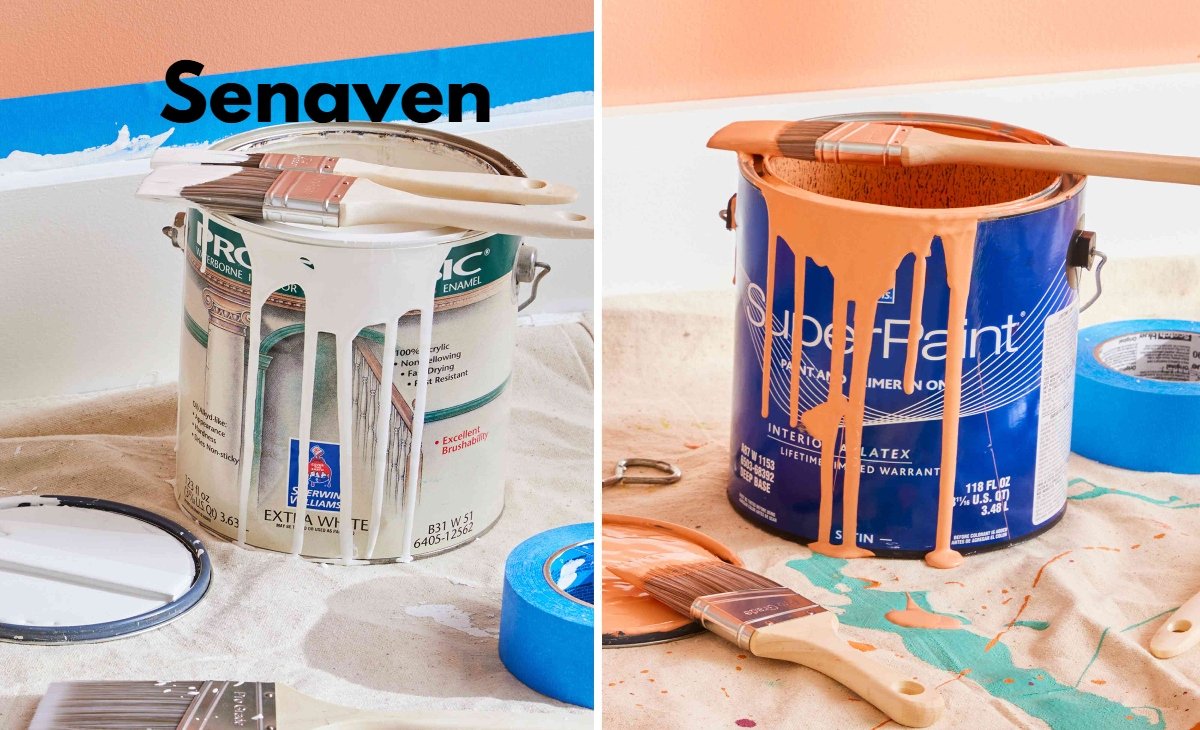
Latex paint is water-based and easier to clean up, but it’s important to choose high-quality formulas. Pure acrylic latex blends generally outperform standard latex products outdoors.
Choosing the Right Finish (Sheen Matters More Than You Think)
The finish, or sheen, of exterior paint affects both appearance and durability. Flat finishes hide surface imperfections but tend to trap dirt and are harder to clean. Satin and eggshell finishes are the most popular choices for siding because they provide a slight sheen that improves wash ability without highlighting flaws. Semi-gloss works best for trim, doors, and shutters because it is more moisture-resistant and easier to wipe clean. Gloss finishes are typically reserved for accents and metal surfaces.
In areas with heavy rain or dust, extremely flat finishes may require more maintenance. A balanced satin finish often offers the best long-term performance for most homes. For homeowners seeking a subtle, calming look, muted sage paint shades provide a timeless option that blends beautifully with natural surroundings.
How Exterior Paint Is Applied (Professional Step-by-Step Process)
A durable paint job depends more on preparation than on the paint itself. Professionals typically begin by inspecting the entire exterior for cracked caulking, peeling paint, mold, or structural damage. Painting over existing problems only hides them temporarily.
The next step is thorough cleaning. Pressure washing is common, but it must be done carefully on wood surfaces to avoid damage. After washing, the surface must dry completely often for 24 to 48 hours. Painting over damp siding is one of the leading causes of premature peeling.
Once dry, damaged areas are repaired. This includes sanding rough spots, filling cracks, replacing rotten wood, and re-caulking joints around windows and doors. Primer is applied when painting bare wood, covering stains, or switching to a lighter color.
Finally, two coats of exterior paint are applied using quality brushes, rollers, or sprayers. Professionals avoid painting in direct, harsh sunlight because it causes paint to dry too quickly, leading to lap marks and uneven coverage. Instead, they follow the shade around the house for better results.
How Much Does Exterior Paint Cost?
Exterior painting costs vary depending on house size, paint quality, and labor rates. A typical 2,000-square-foot home may require 10 to 15 gallons of paint. Paint prices usually range from moderate to premium levels depending on durability and brand.
Labor is often the largest expense if hiring professionals. While lower-cost paint may seem appealing, it frequently requires additional coats and shorter repaint cycles. Investing in higher-quality paint can reduce long-term maintenance costs and extend repaint intervals.
Homeowners should also factor in supplies such as primer, brushes, rollers, drop cloths, ladders, and safety equipment when budgeting for a DIY project.
Benefits of High-Quality Exterior Paint
High-quality exterior paint provides more than aesthetic improvement. It helps prevent water intrusion, reduces the risk of wood rot, protects siding materials, and improves curb appeal. A well-maintained exterior also enhances resale value. According to the National Association of Realtors, exterior improvements can positively influence buyer perception and market value.
Durable paint also reduces the frequency of repainting, saving money and effort over time.
Exterior Paint vs Exterior Stain
Homeowners with natural wood siding sometimes debate between paint and stain. Paint provides solid coverage, hides imperfections, and typically lasts longer before needing reapplication. Stain, on the other hand, penetrates wood and allows the natural grain to show through, creating a more rustic appearance.
Stain is easier to reapply because it doesn’t peel like paint, but it generally requires more frequent maintenance. For older or weathered wood with visible damage, paint usually offers better long-term protection.
Common Exterior Painting Mistakes (And How to Avoid Them)
Many paint failures are preventable. The most common issues include:
- Painting over damp or dirty surfaces
- Skipping primer when it’s required
- Ignoring weather forecasts
- Applying only one coat
- Choosing very dark colors in high-heat climates
- Hiring contractors without checking references
If your home was built before 1978, testing for lead-based paint is essential before sanding or scraping. Safety guidance from the U.S. Environmental Protection Agency can help homeowners handle renovations responsibly.
Practical Homeowner Tips for Longer-Lasting Results
Small decisions can significantly extend paint life. Always purchase a little extra paint for future touch-ups and label the leftover cans with the date and location used. Test colors on a large wall section rather than relying solely on small samples. Observe the color at different times of day because natural light changes its appearance.
Maintaining gutters and directing water away from walls prevents staining and moisture damage. In very hot climates, lighter shades reflect more heat and may last longer than dark colors, which absorb heat and accelerate expansion and contraction cycles.
Annual inspections can catch small cracks or peeling areas before they become major repairs.
Expert Advice for Maximum Durability
The secret to a long-lasting paint job lies in preparation and patience. Spend more time repairing and priming than painting. Choose high-quality 100% acrylic paint for most siding applications. Avoid rushing drying times between coats. Re-caulk before applying final paint layers, not afterward. Finally, inspect your home’s exterior at least once a year to catch small issues early.
Professional painters often say that a great paint job is 70% preparation and 30% application and experience consistently proves that true.
Frequently Asked Questions
How long does exterior paint last?
High-quality acrylic paint typically lasts between 7 and 12 years depending on climate and preparation.
When is the best time to paint?
Mild weather in spring or early fall provides ideal conditions. Extreme heat, rain, or high humidity should be avoided.
Can I paint over old exterior paint?
Yes, if it is clean, dry, and properly sanded. Peeling or damaged paint must be removed first.
How do I know my house needs repainting?
Signs include fading, cracking, bubbling, peeling, and chalky residue on the surface.
Conclusion
Exterior paint is more than decoration, it is a critical protective layer that shields your home from weather damage and aging. Choosing the right type, preparing surfaces properly, respecting weather conditions, and applying quality materials all contribute to long-term durability.
Whether you decide to handle the project yourself or hire professionals, understanding how exterior paint works empowers you to make smarter decisions. A properly painted home doesn’t just look fresh and modern it stays protected for years to come.