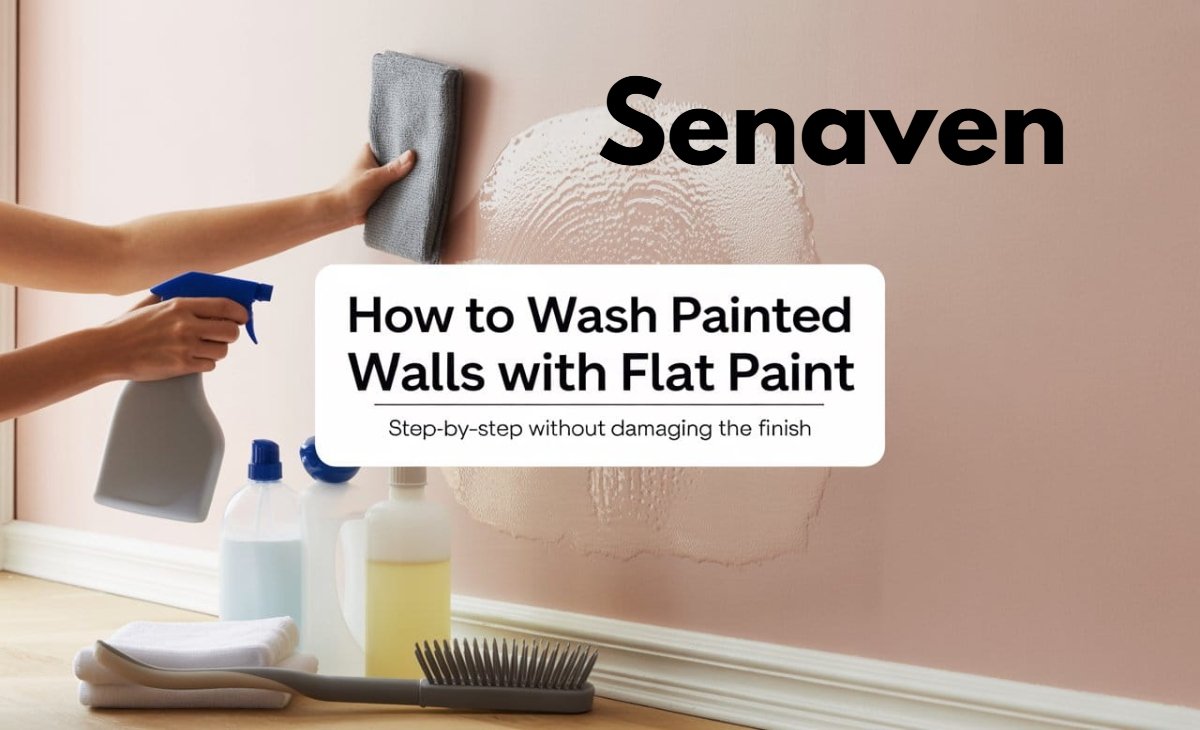
How to Wash Painted Walls with Flat Paint (Step-by-Step Without Damaging the Finish)
Flat-painted walls are a popular choice for modern homes because they offer a smooth, non-reflective finish that hides imperfections beautifully. However, what many homeowners don’t realize is that this same feature makes flat paint one of the most difficult finishes to clean. Unlike glossy or satin paints, flat paint absorbs moisture and stains quickly, and even a small mistake during cleaning can leave permanent marks or discoloration.
This creates a common problem: you want clean, fresh-looking walls, but you’re afraid of damaging the paint. Many people try scrubbing stains or using strong cleaners, only to end up making things worse.
In this guide, you’ll learn exactly how to wash painted walls with flat paint step-by-step, using safe and proven methods. You’ll also discover practical tips, common mistakes, and expert advice that go beyond what most guides explain—so you can clean your walls with confidence.
Understanding Flat Paint and Why It Requires Special Care
Flat paint, also known as matte paint, has a porous surface that does not reflect light. This makes it excellent for hiding dents, patches, and uneven textures on walls. However, the trade-off is that it lacks a protective coating, which means dirt, oils, and stains can penetrate the surface more easily.
Because of this, cleaning flat paint isn’t about removing dirt aggressively—it’s about lifting it gently without disturbing the paint layer underneath. Even light scrubbing can create shiny patches or remove pigment, leaving the wall looking uneven. This is why the cleaning process must always be controlled, minimal, and careful.
One useful strategy is regular maintenance. Light dusting every few weeks prevents buildup and reduces the need for deep cleaning, which carries more risk. For tips on maintaining wall aesthetics, see our guide on styling art and thoughtful home interior care.
Tools and Materials You’ll Need
Before you begin, having the right tools makes a big difference in preventing damage and achieving better results.
- Microfiber cloths (soft and lint-free)
- A soft sponge (non-abrasive)
- Warm water
- Mild dish soap (very small amount)
- Dry towel for immediate drying
- Vacuum with brush attachment (optional but recommended)
- Magic eraser (for stubborn spots, used cautiously)
Using the wrong tools—like rough cloths or scrub brushes—can ruin the paint surface even before you notice it.
How to Wash Flat Painted Walls Step-by-Step
Step 1: Start by Removing Dust
The first and most overlooked step is dust removal. Before applying any moisture, use a dry microfiber cloth or a vacuum with a brush attachment to gently clean the wall surface. Dust often collects near ceilings, corners, and baseboards.
If you skip this step, dust will mix with water and create streaks that are harder to remove than the original dirt. Many homeowners think their cleaning method failed, when in reality, they just didn’t remove dust first.
Step 2: Always Test a Small Area
how to wash painted walls with flat paint can react differently depending on its quality, age, and brand. That’s why testing a small hidden area is essential. Apply your cleaning method gently and allow it to dry completely before checking the result.
If you notice fading, patchiness, or discoloration, stop immediately and adjust your method. This simple step can save you from damaging an entire wall.
Step 3: Prepare a Gentle Cleaning Solution
Create a mild cleaning solution by mixing warm water with just a drop or two of dish soap. The key here is dilution. Strong solutions can leave residue or strip the paint.
Many competitor guides suggest soap but fail to emphasize how little is needed. Even slightly too much soap can leave visible marks on flat paint, especially on darker walls.
Step 4: Use a Damp (Not Wet) Cloth
Dip your microfiber cloth into the solution and wring it out thoroughly. The cloth should feel slightly damp, not wet. This step is critical because excess water can soak into the paint and leave permanent stains.
When cleaning, use gentle motions and avoid applying pressure. Think of it as lightly wiping rather than scrubbing.
Step 5: Clean in Small Sections
Instead of cleaning the entire wall at once, work in small sections. This allows better control and prevents uneven drying. Move slowly and avoid going over the same area multiple times.
Flat paint doesn’t respond well to repeated wiping. The more you touch one spot, the higher the chance of damaging it.
Step 6: Dry Immediately After Cleaning
After wiping a section, use a clean, dry microfiber cloth to gently pat it dry. This step is often ignored but is extremely important.
Flat paint absorbs moisture quickly, and if left to air dry, it can create streaks or blotchy areas. Immediate drying ensures a more even finish.
How to Remove Different Types of Stains
- Fingerprints and light smudges: These usually come off with a slightly damp cloth and no soap. Gentle wiping is enough in most cases.
- Grease or food stains: Use your mild soap solution and lightly dab the area instead of rubbing it.
- Scuff marks: A magic eraser can help, but it must be used with extreme care and minimal pressure to avoid removing paint.
- Crayon or pencil marks: Start with a damp cloth, and if needed, use a tiny amount of baking soda applied gently.
Each type of stain requires a slightly different approach, but the key principle remains the same: minimal pressure and minimal moisture.
Common Mistakes to Avoid
- Using too much water, which causes stains and streaks
- Scrubbing hard, leading to shiny patches or paint removal
- Using harsh cleaners like bleach or vinegar
- Cleaning large areas at once instead of small sections
- Skipping the drying step
- Using colored cloths that may transfer dye
These mistakes are responsible for most cases where walls end up looking worse after cleaning than before.
Practical Tips Most Articles Don’t Mention
One important tip is to use distilled water instead of tap water, especially if your local water has minerals. Mineral residue can leave marks on flat paint, particularly on darker shades.
Another useful strategy is regular maintenance. Light dusting every few weeks prevents buildup and reduces the need for deep cleaning, which carries more risk.
It’s also a smart idea to keep leftover paint from your original project. Sometimes, even with careful cleaning, a stain won’t come out completely. In such cases, a quick touch-up is safer and more effective than repeated cleaning attempts.
Cleaning conditions also matter. Avoid cleaning walls in direct sunlight or hot environments, as this causes the surface to dry too quickly and leads to streaking.
When Cleaning Isn’t Enough
There are situations where cleaning flat-painted walls may not give satisfactory results. If stains are deeply embedded or if the paint has aged, cleaning may leave uneven patches.
In these cases, repainting becomes the better option. If you’re planning to repaint, consider using eggshell or satin finishes in high-traffic areas, as they are more durable and easier to clean while still maintaining a soft look. Flat paint, also known as matte paint, has a porous surface that does not reflect light. This makes it excellent for hiding dents, patches, and uneven textures on walls. However, the trade-off is that it lacks a protective coating, which means dirt, oils, and stains can penetrate the surface more easily. Learn more about different types of paint and their care in our full guide.
FAQs
Can flat paint be washed safely?
Yes, but only with gentle techniques, minimal water, and no scrubbing.
Why does flat paint get damaged so easily?
Because it lacks a protective finish and absorbs moisture and pressure more easily than other paint types.
Is it okay to use soap on flat paint?
Yes, but only a very small amount diluted in water.
How often should I clean flat-painted walls?
Only when necessary. Regular dusting is usually enough to maintain cleanliness.
What should I do if cleaning leaves marks?
Stop cleaning and allow the area to dry. If the mark remains, consider a paint touch-up.
Expert Advice and Best Practices
The best way to maintain flat-painted walls is to treat them as delicate surfaces. Always begin with the least aggressive cleaning method and only increase intensity if absolutely necessary. Patience is key—rushing the process often leads to mistakes.
Professional painters often recommend focusing more on prevention than cleaning. Keeping walls dust-free and addressing stains early reduces the need for deeper cleaning. And when a stain doesn’t come out easily, it’s usually better to touch up the paint rather than risk damaging a larger area.
Conclusion
Learning how to wash painted walls with flat paint properly can save you from costly repairs and frustration. The process isn’t complicated, but it does require care, patience, and the right technique.
By using minimal moisture, gentle cleaning methods, and immediate drying, you can safely remove dirt and light stains without harming the finish. And when cleaning isn’t enough, knowing when to stop and touch up the paint is just as important.
Flat paint may be delicate, but with the right approach, maintaining it becomes simple and stress-free.