Kitchen Windows: The Complete 2026 Homeowner Guide (Types, Costs, Mistakes & Expert Tips)
Kitchen windows play a major role in modern home design because they affect lighting, airflow, cooking comfort, and kitchen aesthetics. Whether someone plans a full renovation or searches for its ideas, the goal stays the same: create a kitchen that feels brighter, cleaner, and more functional.
In 2026, homeowners no longer choose windows only for appearance. Instead, people search for terms like kitchen windows over sink, kitchen windows design, kitchen windows that open out, and kitchen windows for sale because they want practical solutions that match real kitchen layouts, budgets, and daily use.
This guide answers those needs in one place and helps you understand design ideas, sizes, placement, and buying options.
Why Kitchen Windows Matter (Function + Design Balance)
It serve a functional purpose beyond decoration. They control airflow, reduce cooking odors, and increase natural light. Kitchens deal with heat, steam, and moisture every day, so window choice becomes very important.
A poorly chosen window can cause condensation issues, weak ventilation, or awkward placement above sinks and countertops. In contrast, a well-planned kitchen window improves cooking comfort, reduces electricity use during the day, and enhances overall design—especially when paired with the right kitchen cabinets layout and selection for a balanced and functional kitchen space.
Kitchen Windows Ideas (Modern Design Inspiration)
When users search for kitchen windows ideas, they usually want real design inspiration that works in actual homes—especially when applying budget-friendly home decor ideas to refresh kitchens without major renovation costs. Designers now combine large natural-light windows with smaller operable sections so kitchens stay bright while still allowing airflow.
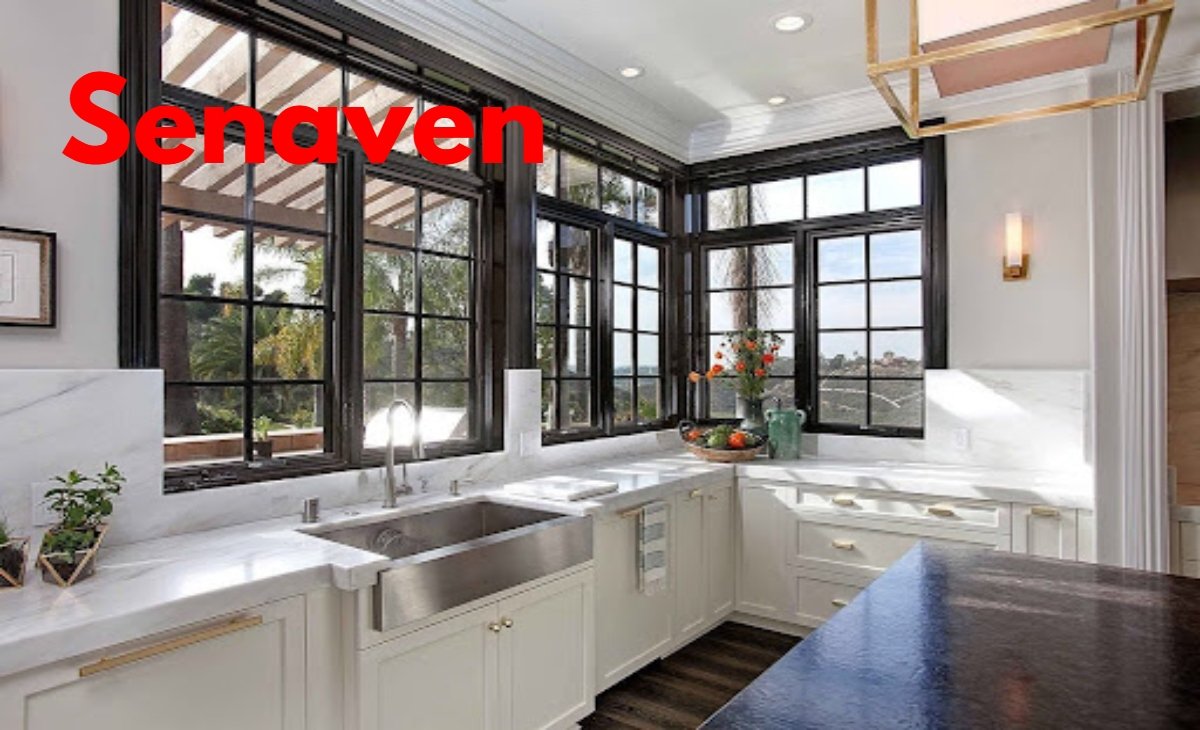
Black-framed windows now dominate modern kitchen designs because they create strong contrast with white cabinets and marble countertops. Traditional kitchens still use wood or white frames to maintain a warm look.
Many homeowners now install herb garden windows that extend outward and allow sunlight for plants. These work especially well in compact kitchens where space matters.
Kitchen Windows Over Sink (Most Important Placement Decision)
Search intent for kitchen windows over sink continues to grow because sink placement directly affects usability. Homeowners need windows that open easily with one hand, especially when the other hand holds dishes or tools.
Casement and sliding windows work best in this area depending on space and faucet height. However, poor planning often creates problems like blocked handles or water splashing onto frames.
You should always choose moisture-resistant materials and easy-clean surfaces for this zone because sinks expose windows to constant water contact.
Kitchen Windows Design (2026 Trends & Layout Approach)
Modern design focuses on light, airflow, and integration with the entire kitchen layout. Designers no longer treat windows as separate features; instead, they align them with countertops, cabinets, and backsplash lines.
Large horizontal windows now dominate modern kitchens because they create a clean visual flow. Vertical windows still work well in compact kitchens where wall space remains limited.
Many homeowners now add frosted lower panels or partial glazing to balance natural light with privacy, especially in urban homes.
Kitchen Windows That Open Out (Ventilation Priority)
People often search for kitchen windows that open out because these windows improve ventilation significantly. Outward-opening windows allow fresh air to enter and push warm air outside, which reduces cooking odors faster.
Casement and awning windows perform best in this category. They also support natural cross-ventilation when you install another opening on a different wall.
However, these windows need exterior clearance, so they do not work well in tight outdoor areas or narrow walkways.
Kitchen Windows Size (What Actually Works in Real Homes)
No fixed standard size exists for it, but proper sizing depends on wall space, cabinet layout, and sink position.
Wide horizontal windows now dominate modern kitchen design because they allow more light and better visibility. Smaller windows work better in compact kitchens where storage takes priority.
The right balance matters more than size. A small window can make a kitchen feel dark, while an oversized window can create glare and overheating in sun-facing kitchens.
Kitchen Windowsill (Often Ignored but Very Important)
A kitchen windowsill plays a major role in durability because it faces constant exposure to water, steam, and cleaning products. Material choice becomes critical in this area.
Modern kitchens now use quartz, stone, or engineered materials because they resist moisture damage. Wooden windowsills still appear in traditional kitchens, but they require regular sealing to prevent swelling or decay.
A slightly extended windowsill also protects the wall and frame from sink splashes and reduces long-term damage.
Kitchen Windows with Curtains (Style + Practicality)
People still use kitchen windows with curtains, but modern design now favors lightweight and practical options. Heavy fabric curtains often absorb grease and odors, especially near cooking areas.
Homeowners now prefer roller blinds, café curtains, or moisture-resistant shades because they clean easily and still allow natural light.
Many modern kitchens now remove curtains completely and use frosted or smart glass for a cleaner appearance.
Kitchen Windows Home Depot (Buying Perspective)
Searches for it at Home Depot show that many users want ready-made and affordable solutions. Big-box stores usually sell standard-size vinyl and aluminum windows that suit basic replacements.
However, custom kitchens often require professional measurement and installation, especially when windows sit above sinks or in older homes with irregular dimensions.
Buyers should compare energy ratings, warranty terms, and installation support before making a final decision instead of focusing only on price.
Kitchen Windows for Sale (What to Consider Before Buying)
Kitchen windows for sale vary in quality, material, and performance. Buyers should focus on long-term durability rather than only upfront cost.
Moisture resistance, ventilation performance, and cleaning ease matter most in kitchen environments. Low-E glass has become a standard choice because it reduces heat while maintaining natural light.
A low-cost window that performs poorly often creates higher repair costs later, so quality always matters in this category.
Common Mistakes
Most kitchen window problems come from poor planning. Homeowners often make these mistakes:
- They ignore sink and faucet clearance during installation
- They choose fixed windows in kitchens that produce heavy steam
Expert-Level Practical Advice
Based on real renovation experience, the best improvements include:
- You should combine a range hood with an operable window for better airflow
- You should use moisture-resistant materials near sink areas
Final Expert Conclusion
Kitchen windows now play an essential role in comfort, efficiency, and overall kitchen performance. The right choice depends on cooking habits, kitchen layout, and ventilation needs.
Modern homeowners now focus on airflow, durability, and energy efficiency instead of only aesthetics. When you plan correctly, kitchen windows improve lighting, reduce energy usage, and make the kitchen more comfortable every day.