Brushed Nickel vs Chrome: Which Finish Is Right for Your Home in 2026?
When homeowners search for brushed nickel, they’re usually not just comparing finishes anymore—they want to understand color tone, real-life performance, faucet options, compatibility with sinks, and how it compares to stainless steel and chrome.
This updated guide is built around those exact user needs. It combines practical, real-world insights with current 2026 trends so you can make the right decision once—and not regret it later.
What Is Brushed Nickel and Why It’s Still So Popular
It is a nickel-plated finish that’s been textured using fine brushing techniques. This creates a soft, satin-like surface that diffuses light instead of reflecting it sharply. Unlike glossy finishes, it doesn’t draw attention through shine—it creates a subtle, balanced look that blends into the space.
Its popularity hasn’t declined because it solves a real problem most homeowners face: keeping fixtures looking clean without constant effort. In everyday use—especially in kitchens and bathrooms—it hides fingerprints, water spots, and minor scratches better than most alternatives.
Brushed Nickel Color: What It Really Looks Like in Real Homes
One of the most searched questions is about the actual brushed nickel color, and this is where many guides fall short.
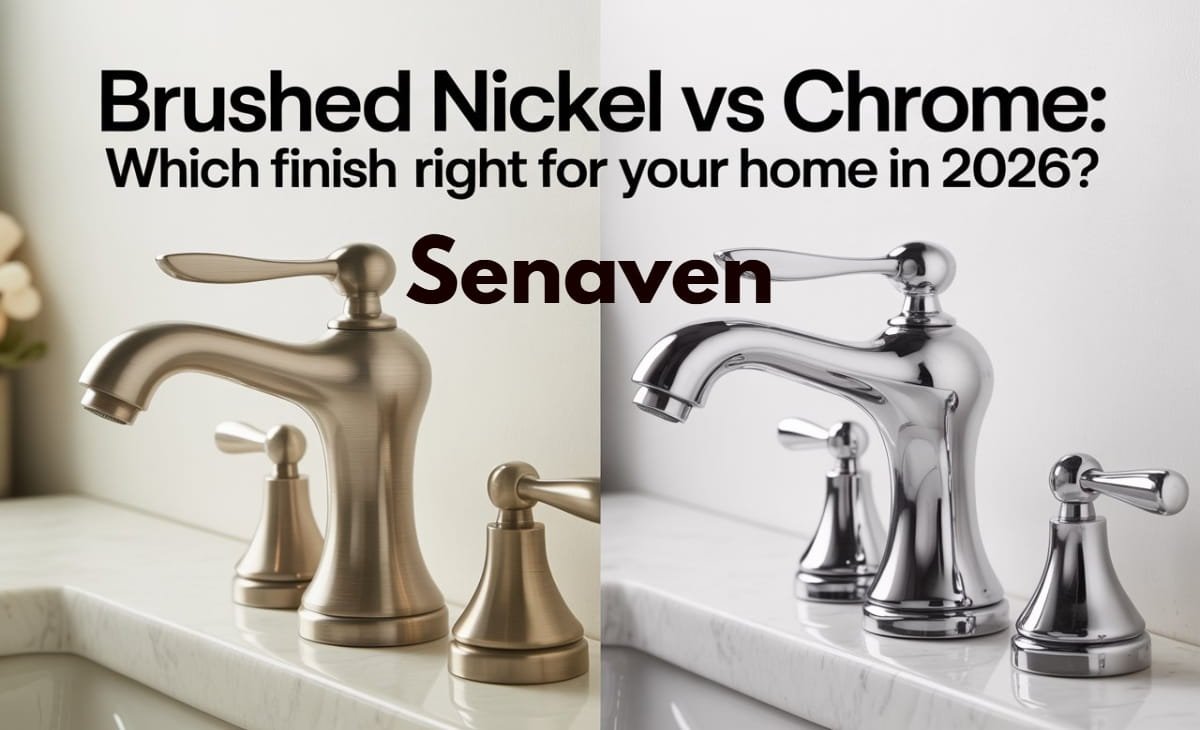
It is not just “silver.” It has a warm undertone, often described as a soft mix of silver, grey, and a faint gold hue. This warmth allows it to pair naturally with wood, beige tones, and neutral palettes.
However, the color is highly affected by lighting. Under warm lighting (2700K–3000K), it appears richer and slightly golden. Under cooler lighting, it can look closer to stainless steel but still less reflective.
Another important detail is that brushed nickel is not perfectly uniform. Its slight variation in texture gives it depth, which is why it doesn’t look flat or dull even though it’s not shiny.
Brushed Nickel Faucets, Taps, and Tapware: What to Expect
Whether you’re searching for a brushed nickel faucet, tapware, or taps, the experience is largely the same across categories—the finish behaves consistently, but performance depends on design and build quality.
In bathrooms, It faucets are favored because they maintain a cleaner appearance throughout the day. Toothpaste splashes, soap residue, and water marks are far less noticeable compared to chrome. This is especially useful in shared or family bathrooms where fixtures are used frequently.
In kitchens, brushed nickel kitchen faucets are one of the most practical choices. Around sinks, water spots are unavoidable, and this finish reduces the need for constant wiping. Pull-down and pull-out faucets in brushed nickel are particularly popular in 2026 because they combine functionality with low visual maintenance.
Tapware in brushed nickel also pairs well with modern plumbing systems and is widely available in thermostatic shower systems, mixer taps, and wall-mounted designs. The finish works across both contemporary and transitional styles, making it a safe long-term investment.
Brushed Nickel Sinks and Compatibility with Fixtures
A growing trend is pairing brushed nickel sinks with matching or complementary fixtures. While full brushed nickel sinks are less common than stainless steel, they are available in premium ranges and are often chosen for high-end kitchens or cohesive bathroom designs.
More commonly, homeowners pair It faucets with stainless steel sinks. This combination works well because both finishes are neutral, but brushed nickel appears slightly warmer and softer. The contrast is subtle—not jarring—which makes it a practical and visually balanced choice.
In bathrooms, It pairs exceptionally well with ceramic, stone, or composite sinks, especially when the goal is to create a calm, spa-like environment.
In kitchens, brushed nickel kitchen faucets are one of the most practical choices—especially when paired with smart kitchen layout and lighting decisions, which directly affect how the finish looks throughout the day.
Brushed Nickel vs Chrome: Real-World Comparison
The difference between brushed nickel and chrome becomes obvious after installation, not in the showroom.
Chrome is bright, reflective, and visually striking. It works well in modern spaces with sharp contrasts and glossy surfaces. However, its biggest drawback is maintenance. It shows fingerprints, water spots, and streaks almost immediately, especially in high-use areas.
It, on the other hand, offers a softer appearance and is far more forgiving in daily use.
From a cost perspective, chrome is still slightly cheaper in 2026, but many homeowners find It more valuable over time due to reduced maintenance and better aging.
Consistency across brands is also critical. Even though finishes are labeled the same, slight differences in tone can become obvious when fixtures are placed next to each other—especially if you’re not careful about avoiding common hardware selection mistakes.
Brushed Nickel vs Stainless Steel: What Most People Get Wrong
This is one of the most important comparisons—and often misunderstood.
Stainless steel is a material, while It is a finish applied over another metal. Visually, they can appear similar at first glance, but there are key differences.
Stainless steel typically has a cooler, more industrial tone. It’s commonly used for sinks and appliances because of its durability and resistance to corrosion. Brushed nickel, however, has a warmer tone and a more refined appearance, making it better suited for visible fixtures like faucets and taps.
In real homes, stainless steel can sometimes show fingerprints and water spots more than It, depending on the grade and finish. It tends to maintain a more uniform look over time.
When used together—such as a stainless steel sink with a brushed nickel faucet—the result is cohesive but slightly layered, which many designers prefer over perfectly matching finishes.
Advantages and Limitations You Should Know
Brushed Nickel Advantages
- Hides fingerprints, water spots, and minor scratches
- Warmer tone suits most home interiors
- Ages gracefully without looking outdated
- Requires less frequent cleaning
Brushed Nickel Limitations
- Slightly more expensive than chrome
- Finish can vary between brands
- Not as bold or eye-catching as polished finishes
Practical Insights Most Articles Still Miss
Many homeowners regret their choice not because of design—but because of daily usability. One overlooked factor is water quality. In areas with hard water, It performs significantly better visually, while chrome quickly develops visible spotting.
Another key insight is that lighting dramatically changes how finishes appear. A brushed nickel faucet that looks perfect in a store may appear warmer or duller at home depending on your bulb temperature.
Consistency across brands is also critical. Even though finishes are labeled the same, slight differences in tone can become obvious when fixtures are placed next to each other. This is why professionals often recommend sticking to one manufacturer per room.
Lastly, cleaning habits matter more than people expect. Using harsh cleaners on It can damage its protective coating, reducing its lifespan. Gentle cleaning methods are essential for maintaining its appearance.
Maintenance and Cleaning (What Actually Works)
It is relatively low maintenance, but it still requires proper care. A simple routine of wiping with a damp microfiber cloth and mild soap is enough for regular cleaning. Drying the surface afterward helps maintain its consistent look.
Avoid abrasive pads, strong chemicals, or acidic cleaners, as these can wear down the finish over time.
Chrome, in comparison, requires more frequent attention. To keep its shine, it needs regular wiping and occasional descaling, especially in hard water conditions.
Is Brushed Nickel the Right Choice for You in 2026?
If your priority is low maintenance, long-term durability, and a timeless look, It remains one of the best options available today. It works across a wide range of interior styles and adapts well to different lighting conditions.
Chrome is still a strong option for those who prefer a bold, reflective finish and don’t mind regular cleaning. Stainless steel is ideal for structural elements like sinks and appliances but doesn’t offer the same warmth as It.
For most households—especially busy ones—brushed nickel provides the best balance between aesthetics and practicality.
FAQs
What color is brushed nickel exactly?
It’s a warm-toned metallic finish with a mix of soft silver, grey, and subtle gold undertones.
Are brushed nickel faucets durable?
Yes, high-quality ones resist corrosion and wear well, especially with proper cleaning.
Can brushed nickel be used in kitchens and bathrooms?
Absolutely. It performs well in both environments, particularly where water exposure is frequent.
Does brushed nickel match stainless steel sinks?
Yes, they complement each other well without needing an exact match.
Is brushed nickel better than chrome?
For low maintenance and long-term appearance, yes. For shine and bold design, chrome may be better.
Are brushed nickel taps still in style in 2026?
Yes, they remain one of the most versatile and widely used finishes in modern homes.
Final Takeaway
It continues to dominate because it solves real homeowner problems—not just design preferences. It offers a warm, adaptable look, reduces visible mess, and holds up well over time.
If you want fixtures that look good without constant effort, brushed nickel is still one of the smartest choices you can make in 2026.