What Is Balboa Mist Benjamin Moore? Complete Beginner’s Guide for Homeowners
Neutral paint colors are one of the most searched topics among homeowners because they set the tone for your entire interior design. Among the most talked‑about neutrals in recent years is Balboa Mist Benjamin Moore — a soft, adaptable shade that many designers and DIY painters recommend. But before you decide on using it in your home, it’s important to understand how it behaves, where it works best, what its undertones really are, and how to use it effectively.
This guide will walk you through everything — from true color characteristics and lighting effects, to practical painting advice, decorating tips, and comparisons with similar popular paint shades. By the end, you’ll know whether Balboa Mist is the right choice for your space and how to get the best results from it.
What Is Balboa Mist Benjamin Moore?
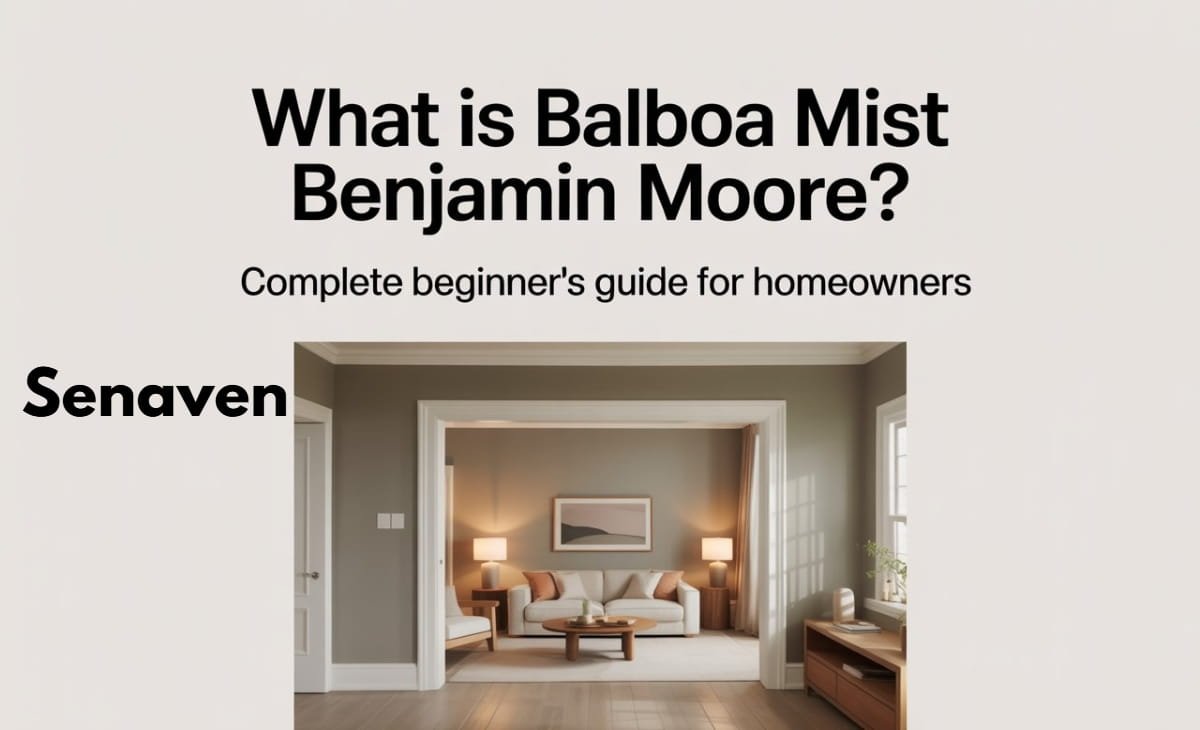
Balboa Mist Benjamin Moore is a paint color from Benjamin Moore’s Off‑White Collection, but despite the name, it doesn’t read like a traditional white. Instead, it’s a soft greige — a blend of gray and beige that creates a warm neutral that isn’t too cool or stark.
Key defining points of Balboa Mist include:
- It sits comfortably between gray and beige — what designers call greige.
- It has a mid‑range Light Reflectance Value (LRV) of about 65‑67, meaning it reflects enough light to feel bright but still retains body and warmth.
- Undertones are subtle and complex, including soft violet, taupe, and beige influences.
This dynamic nature is one reason it’s often described as a “chameleon” neutral — it may look different from one room to the next.
Understanding Balboa Mist Undertones and Lighting
One of the biggest challenges homeowners face with any neutral paint — especially greiges like Balboa Mist — is undertones. Undertones are the subtle hues that sit beneath the main color, and they become more visible depending on the type and direction of light in a space.
Balboa Mist’s undertones are a mix of warm and cool elements. It has a warm gray core with beige undertones, but sometimes shows soft violet or taupe hints, especially in cooler, northern light. Balboa Mist pairs beautifully with warm cabinetry, and choosing the right hardware finishes for kitchens and bathrooms can elevate the overall look.
Here’s how lighting typically affects its look:
- South‑facing rooms with lots of sunlight – Balboa Mist tends to appear warmer and closer to beige, giving rooms an inviting, luminous feel.
- North‑facing rooms – Cooler natural light may emphasize its gray or violet undertones more, making it read slightly cooler.
- Rooms with artificial lighting – Warm LED bulbs pull out warmer beige tones, while cool white bulbs can make the gray side stronger.
Because of this shifting quality, experts always recommend sampling the paint on your actual walls and observing it at different times of day before committing.
What Makes Balboa Mist a Good Choice (And When It Might Not Be)
Balboa Mist Benjamin Moore has become a popular neutral choice because it bridges the gap between too cool and too warm — a sweet spot that works for many homeowners.
It feels sophisticated without being stark, and its balanced nature can unify different areas of an open concept home.
Advantages:
- Versatile and adaptable across multiple room types from living rooms to kitchens.
- Works well with a variety of trim colors, especially crisp whites and warm neutrals.
- Not overly bold, making it ideal for homeowners who want a soft neutral base.
Potential Drawbacks:
- The undertones can shift unpredictably if lighting or furniture finishes are unusual.
- In very small or low‑light rooms, it may feel muted or gray rather than warm.
- Some people may prefer a stronger beige or a purer gray depending on their décor goals.
Where Balboa Mist Works Best in Your Home
Instead of thinking of Balboa Mist as a single shade that “is” a certain color, think of it as a foundation color that interacts with light and surroundings to shape the vibe of your space.
Many designers recommend Balboa Mist as a whole‑home color because of its harmonious nature.
In living rooms and family areas, its warm neutral balance enhances natural light and pairs beautifully with wood, stone, and greenery, also In bedrooms, it creates a calm and inviting feel that isn’t too cool or clinical.
In kitchens and dining spaces, it acts as a neutral backdrop that supports both light and darker cabinetry, especially when paired with crisp whites or soft accents.
Because it’s not super dark, it even works in hallways and small nooks, helping these areas feel open rather than boxed in. Accent colors like muted blues, neutrals, or green accent colors for interiors work well to complement Balboa Mist without overpowering the space.
How to Pair Balboa Mist With Other Colors
What you surround Balboa Mist with will dramatically affect how it looks. Instead of thinking in terms of isolated color swatches, consider complementary palettes:
Crisp bright whites create a clear contrast that highlights architectural detail without overpowering the walls.
Warm neutral whites keep the overall feel soft and harmonious, pulling out Balboa Mist’s beige side.
Accent colors like muted blues or greens also work well — they support the neutral foundation without clashing with subtle undertones.
Practical Painting and Prep Tips for Balboa Mist
Getting a paint color to look its best isn’t just about choosing the right shade — it’s about preparation and execution.
Before you paint, test samples on your actual walls and watch them throughout the day. Lighting changes from morning to night can dramatically alter how the color reads.
Use quality brushes, rollers, and primers when needed. Primer helps ensure the paint looks uniform, especially if you’re covering dark or patchy walls.
Choosing the right finish matters too: eggshell or satin are popular for most living spaces because they balance sheen and cleanliness.
In high‑traffic or moisture‑prone areas like kitchens and bathrooms, consider satin or semi‑gloss finishes for easier cleaning and increased durability.
Comparing Balboa Mist with Similar Neutrals
Understanding how Balboa Mist compares with other staple neutrals helps you make a confident decision:
- Balboa Mist vs Pale Oak: Balboa Mist is slightly darker and leans more balanced between warm and gray, while Pale Oak is lighter and creamier.
- Balboa Mist vs Edgecomb Gray: Edgecomb Gray has slightly warmer beige undertones and a bit more depth.
- Balboa Mist vs Classic Gray: Classic Gray is lighter and brighter, while Balboa Mist holds more warmth and subtle complexity.
All three are popular choices, but Balboa Mist’s flexible undertone balance sets it apart when you want a neutral that adapts to light and style without overwhelming other design elements.
FAQs Homeowners Ask Most
Is Balboa Mist warm or cool?
It’s neutral with warm and cool undertones, but generally reads warmer than traditional gray because of subtle beige and violet hints.
Should I use Balboa Mist in low‑light rooms?
Yes — but remember it may read more gray in low or northern light, so always test first.
What trim color pairs best with Balboa Mist?
Clean whites or soft whites bring out the best contrast.
Is it good for cabinets?
It can be — especially in kitchens with white cabinets or wood tones — but always sample first.
Conclusion
Balboa Mist by Benjamin Moore is a standout neutral because of its balance and adaptability. It works as a foundational wall color that can lighten spaces, complement a wide range of décor styles, and evolve beautifully with changing light throughout the day. Whether you’re repainting a single room or your entire home, understanding how light, trim pairing, and finish choices affect Balboa Mist will help you use it with confidence and success.
For any neutral color — especially one as dynamic as Balboa Mist — sampling and patience are your best tools.