Forest Green Paint: Complete 2026 Guide for Walls, Bedrooms, Bathrooms & Color Selection
Forest green paint has become one of the most searched and used interior colors—and not just for aesthetics. Homeowners today want a shade that feels calm, premium, and connected to nature, while still being practical for everyday living. That’s exactly where forest green stands out.
If you’ve searched terms like forest green paint wall, forest green paint color, or even forest green paint for bedroom or bathroom, you’re likely trying to answer one key question: “Will this color actually work in my space?”
This updated guide answers that completely—with real-world advice, practical application tips, and design insights that go beyond basic inspiration.
What Is Forest Green Paint and Why It’s Trending
Forest green paint is a deep, muted green inspired by natural woodland tones. Unlike brighter greens, it carries a richness that makes interiors feel grounded and sophisticated. Its popularity in 2026 is strongly tied to the rise of biophilic design—where homes are designed to reflect nature and promote calmness.
What makes this color especially appealing is its adaptability. In some lighting, it appears bold and dramatic, while in others it softens into a warm, cozy backdrop. This dual personality is why it works across multiple rooms, from modern apartments to traditional homes.
Choosing the Right Forest Green Paint Color (Undertones Matter)
One of the biggest challenges people face is not choosing forest green—but choosing the right version of it. Forest green isn’t a single shade; it varies depending on undertones.
Cool-toned forest greens (with blue undertones) tend to look modern and slightly dramatic. They work well in well-lit rooms or contemporary interiors. On the other hand, warm-toned forest greens (with yellow or brown undertones) feel softer and more inviting, making them ideal for cozy spaces like bedrooms.
If you’re considering branded options like Dulux forest green paint, you’ll notice they offer multiple variations under similar names. Always test swatches on your wall and observe them throughout the day. Artificial lighting, especially LED temperature, can completely change how the color appears.
A practical tip from real projects: never rely on a small paint chip. Large sample patches or boards give a much more accurate idea of the final look.
How to Use Forest Green Paint on Walls (Without Making the Room Too Dark)
Using forest green paint on walls can instantly elevate a space—but only when balanced correctly. Many homeowners worry that dark colors will make rooms feel smaller, but that only happens when there’s no contrast.
In real applications, forest green works best when paired with lighter elements. White or off-white ceilings, neutral furniture, and reflective surfaces like mirrors help maintain openness. Even in small rooms, a single forest green accent wall can create depth rather than shrink the space.
Another important factor is finish. Matte finishes give a soft, elegant look but absorb light, while eggshell or satin finishes reflect just enough light to keep the room from feeling heavy. This is especially useful in spaces with limited natural light.
Forest Green Paint for Bedroom: Cozy, Calm, and Modern
Forest green paint is one of the best choices for bedrooms because it naturally promotes relaxation. The color creates a cocoon-like environment that feels secure and peaceful, making it ideal for better sleep and comfort.
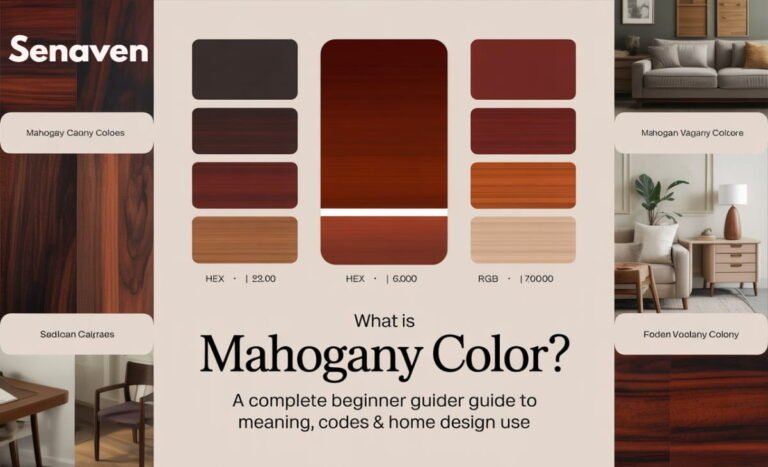
In practical use, pairing forest green walls with warm lighting, soft textiles, and natural materials like wood enhances its calming effect. For a richer and more luxurious look, combining it with deeper wood tones like mahogany color can create a warm and timeless interior. Light-colored bedding or curtains prevent the room from feeling too enclosed.
From experience, using forest green behind the bed as a feature wall works better than painting all four walls—especially in smaller bedrooms. It gives the same visual impact without overwhelming the space.
Forest Green Paint for Bathroom: Bold Yet Timeless
Forest green paint in bathrooms has gained popularity because it adds a luxury, spa-like feel. When combined with white tiles, marble surfaces, or brass fixtures, it creates a high-end look without major renovation costs.
However, bathrooms require a more practical approach. Moisture resistance is key, so using satin or semi-gloss finishes is essential. These finishes are easier to clean and hold up better in humid conditions. Proper cleaning is just as important, so it’s helpful to understand how to wash painted walls without damaging the finish, especially when working with darker shades.
A smart approach is to use forest green on cabinetry or a single wall instead of the entire bathroom. This reduces maintenance while still achieving a strong visual impact.
Step-by-Step Application (Real-World Method That Works)
Applying forest green paint correctly is what separates a professional-looking result from a patchy one. The process starts with proper wall preparation—cleaning, sanding, and filling imperfections. Skipping this step often leads to uneven texture, which becomes more visible with dark colors.
Primer is especially important for forest green, especially when you’re using modern water-based options like latex paint, which require proper surface preparation for even coverage. A tinted primer close to your final shade ensures even coverage and reduces the number of coats required. Without it, the paint may appear streaky or dull.
When painting, applying multiple thin coats instead of one thick layer ensures a smooth and rich finish. Drying time between coats should never be rushed, as this can lead to peeling or uneven sheen later.
Common Mistakes and How to Avoid Them
The most frequent mistake is choosing a shade without testing it in real lighting conditions. A color that looks perfect in-store can appear completely different at home. Another issue is skipping primer, which almost always results in poor coverage with dark paints like forest green.
Many people also overuse the color, painting entire rooms without balancing it with lighter elements. This can make spaces feel heavy instead of elegant. Lastly, using low-quality tools often leads to visible streaks and uneven finishes, even with good paint.
Expert Tips That Make a Big Difference
From hands-on experience, a few small decisions can dramatically improve results. Always check your paint under both daylight and artificial lighting, as this reveals the true tone. Using warm lighting (around 2700K) enhances the richness of forest green, while cooler lighting can make it appear darker or slightly dull.
Another overlooked trick is incorporating texture. Materials like velvet cushions, wooden furniture, or woven décor prevent the color from feeling flat and add visual depth. If you’re hesitant to commit fully, start with furniture pieces like cabinets or bookshelves before painting entire walls.
FAQs About Forest Green Paint
Is forest green paint good for walls?
Yes, it works exceptionally well on walls when balanced with lighter elements like ceilings, furniture, or décor.
Which forest green paint color is best?
It depends on your lighting and room style. Warmer tones suit cozy spaces, while cooler tones fit modern interiors. Testing is essential.
Is Dulux forest green paint a good option?
Yes, Dulux offers reliable, high-quality forest green shades with good coverage and durability, making it a popular choice among homeowners.
Can I use forest green paint in a bedroom?
Absolutely. It’s one of the best colors for bedrooms due to its calming and cozy effect.
Is forest green suitable for bathrooms?
Yes, but use moisture-resistant finishes like satin or semi-gloss for durability.
Final Thoughts
Forest green paint is not just a trend—it’s a long-term design choice that brings depth, elegance, and a natural feel into your home. Whether you’re painting walls, designing a bedroom, or upgrading a bathroom, this color offers versatility that few others can match.
The key to success lies in choosing the right undertone, testing it properly, and applying it with the correct technique. When done right, forest green doesn’t just change a room—it transforms how it feels to live in it.