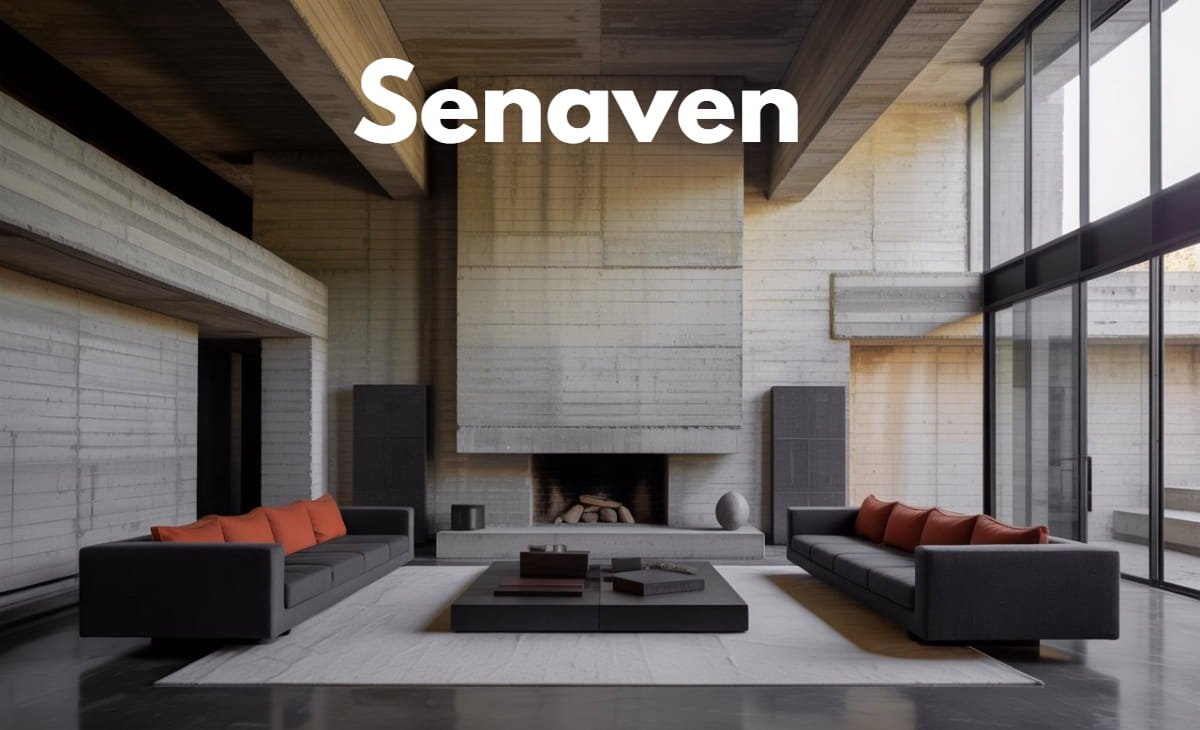
Brutalist Interior Design: How to Create Bold, Functional, and Modern Spaces at Home
Brutalist interior design has moved far beyond its reputation for being harsh or overly industrial. In recent years, the style has gained renewed attention among architects, designers, and homeowners who appreciate its bold simplicity, durability, and architectural presence.
Originating from the mid-20th century Brutalism movement, this design philosophy celebrates raw materials, structural honesty, and geometric forms. Instead of hiding concrete, steel, or stone behind decorative finishes, brutalist interiors highlight these materials as central design features.
For modern homeowners, the appeal lies in its combination of minimalism and strength. Spaces designed with brutalist principles often feel solid, grounded, and timeless. When balanced correctly with texture, lighting, and natural elements, brutalism can transform a home into a space that feels both dramatic and comfortable.
This guide explores how brutalist interior design works, why it is becoming popular again, and how you can apply it effectively in your own home without sacrificing comfort or practicality.
What Is Brutalist Interior Design?
Brutalist interior design is derived from the architectural Brutalism movement that emerged in the 1950s and 1960s. The term “Brutalism” comes from the French phrase béton brut, meaning raw concrete. This concept reflects the style’s core philosophy: materials should be presented honestly rather than hidden or disguised.
In interiors, this means allowing structural elements to become visible parts of the design. Concrete walls, exposed steel beams, stone surfaces, and solid wood furniture are often left untreated or minimally finished so their natural textures remain visible.
The result is a design style that feels architectural rather than decorative. Instead of relying on ornamentation, brutalist interiors focus on proportion, mass, and geometry to create visual interest. Furniture pieces often resemble sculptural objects, while lighting is used strategically to highlight textures and surfaces.
Although brutalism was once associated primarily with large public buildings, modern designers have adapted the style to suit residential environments by introducing warmer materials and softer lighting.
Key Elements of Brutalist Interiors
Several design components consistently appear in brutalist spaces. Understanding these elements helps homeowners apply the style thoughtfully rather than overwhelming a room with heavy materials.
1: Raw materials such as concrete, natural stone, steel, and unfinished wood that emphasize texture and authenticity.
2: Strong geometric forms including block-like furniture, rectangular layouts, and sculptural architectural elements.
3: Minimal decoration so that materials, structure, and light become the primary visual features.
4: Neutral color palettes dominated by grey, charcoal, beige, and muted earth tones. Shades like Accessible Beige paint can add warmth while maintaining the minimalist aesthetic often seen in brutalist interiors.
5: Strategic lighting designed to highlight textures and avoid harsh shadows.
When combined carefully, these elements create spaces that feel structured, modern, and visually powerful without relying on excessive decoration.
Why Brutalist Interior Design Is Trending Again
Brutalist design is experiencing a resurgence as homeowners increasingly seek interiors that feel authentic and long-lasting rather than trend-driven. Many modern design movements emphasize simplicity, sustainability, and quality materials, all of which align naturally with brutalist principles.
Another factor driving the revival is the growing appreciation for architectural interiors on social media and design platforms. Dramatic concrete walls, sculptural furniture, and bold lighting arrangements photograph well and capture attention, helping the style gain popularity among younger homeowners and designers.
Additionally, many people are moving away from overly polished interiors toward spaces that feel more organic and material-focused. Brutalism provides exactly that by allowing the raw character of concrete, stone, and metal to define the environment.
In contemporary homes, designers often soften the traditional brutalist aesthetic with warm wood tones, textiles, and plants so the space feels welcoming while still retaining its architectural impact.
How to Incorporate Brutalist Interior Design in Your Home
Introducing brutalist design into a home does not require a full structural renovation. In fact, many homeowners combine brutalist elements with budget-friendly decor ideas to gradually update their interiors without major expenses. In most cases, the most successful interiors start with one or two strong design features and gradually build around them.
A common approach is to create a focal point such as a concrete feature wall, stone fireplace surround, or sculptural staircase. Once a strong architectural element is established, the rest of the room can be designed to complement it with simple furniture and neutral colors.
Furniture selection also plays an important role. Pieces with clean lines, thick forms, and solid materials reinforce the structured aesthetic of brutalism. A rectangular coffee table made from stone or concrete, for example, can anchor a living room without requiring additional decoration.
Lighting should be carefully planned to prevent the room from feeling too dark or heavy. Designers often use layered lighting systems that combine ambient illumination, task lighting, and accent lighting to highlight textures while maintaining warmth.
Adding softer textures such as rugs, linen curtains, or upholstered seating helps balance the visual weight of hard surfaces. Plants are another effective addition because greenery contrasts beautifully with concrete and stone.
New Design Insights Many Articles Miss
While brutalism is often associated with heavy concrete interiors, modern designers are exploring new ways to adapt the style for everyday living. One of the most notable trends is the rise of soft brutalism, a concept that maintains strong architectural forms while introducing warmer materials and softer lighting.
Another emerging idea is what some designers call micro-brutalism. Instead of redesigning an entire space, homeowners introduce small brutalist elements such as sculptural lamps, stone side tables, or concrete planters. These additions bring the character of brutalism into a room without overwhelming it.
Advances in modern building materials have also made brutalist interiors easier to implement. Lightweight microcement and textured plaster finishes can replicate the appearance of raw concrete without requiring major structural changes. This allows homeowners to achieve the brutalist aesthetic in apartments or smaller homes where traditional concrete installations may not be practical.
These newer approaches help explain why brutalist interiors are becoming more common in residential design despite the style’s originally industrial roots.
Common Brutalist Design Mistakes to Avoid
Even though brutalism focuses on simplicity, several common mistakes can make the style feel uncomfortable or visually overwhelming if not handled carefully.
- Using excessive concrete or metal surfaces without balancing them with warmer materials such as wood or textiles.
Choosing oversized furniture that dominates the room and makes the space feel cramped.
Relying on a single lighting source, which can create harsh shadows and emphasize rough surfaces too strongly.
Ignoring everyday comfort in favor of dramatic visual impact.
Avoiding these issues helps ensure that brutalist interiors remain both stylish and practical for daily living.
Cost, Maintenance, and Safety Considerations
Before committing to brutalist interior design, homeowners should consider the practical aspects of working with materials like concrete, stone, and metal. These materials can require higher initial investment compared with standard decorative finishes, particularly when custom fabrication or professional installation is involved.
However, one of the advantages of brutalist materials is their durability. Concrete countertops, stone surfaces, and steel fixtures often last decades with minimal structural deterioration. In many cases, the long lifespan of these materials offsets their upfront cost because they rarely need replacement.
Maintenance is generally straightforward but still important. Concrete surfaces should be sealed periodically to prevent staining, while metal fixtures may require occasional polishing or protective coatings to prevent oxidation. Regular cleaning of textured surfaces also helps maintain their appearance over time.
Safety should also be considered when designing brutalist interiors. Because the style often features heavy furniture and sharp geometric forms, it is important to ensure that edges are smoothed or rounded where necessary, especially in homes with children or elderly residents. Adequate lighting in hallways and functional areas is also essential to prevent accidents.
Practical Tips From Interior Design Professionals
Interior designers who regularly work with architectural styles like brutalism often emphasize a few consistent principles when planning residential spaces.
- Start with a single architectural statement such as a concrete wall or stone island rather than redesigning the entire home at once.
Balance hard materials with softer textures like rugs, fabrics, and wood finishes.
Use lighting intentionally to highlight material textures and prevent the space from feeling too dark.
Allow materials to remain visually dominant instead of covering them with excessive decoration.
Incorporate plants or natural elements to soften the overall atmosphere.
Following these guidelines allows homeowners to achieve the bold visual impact of brutalism while maintaining comfort and functionality. Brutalist interiors emphasize raw materials, geometric forms, and structural honesty. For a deeper understanding of the style’s origins and design principles, you can explore this brutalist interior design history guide.
FAQs
What is brutalist interior design?
Brutalist interior design is a style that emphasizes raw materials such as concrete, stone, metal, and solid wood. It focuses on geometric forms, structural honesty, and minimal decoration, allowing materials and architecture to become the main visual features of a space.
Can brutalist interiors work in small homes?
Yes, but moderation is important. Instead of using heavy materials throughout the entire space, homeowners can introduce a few brutalist elements such as a concrete accent wall, sculptural lighting, or stone furniture to achieve the aesthetic without overwhelming the room.
How can brutalist interiors feel warmer and more comfortable?
Warmth can be introduced through natural wood furniture, textured fabrics, layered lighting, and indoor plants. These elements soften the strong architectural lines while maintaining the brutalist character of the space.
Is brutalist design compatible with other interior styles?
Brutalism often pairs well with Scandinavian, industrial, and mid-century modern interiors. These combinations allow designers to maintain minimalism while introducing warmth and functional furniture.
Are concrete interiors difficult to maintain?
When properly sealed, concrete surfaces are relatively easy to maintain. Routine cleaning and occasional resealing are usually enough to keep them in good condition for many years.
Expert Advice: Best Practices for Successful Brutalist Interiors
Professionals who specialize in architectural interiors often emphasize that brutalism should be approached as a long-term design philosophy rather than a short-term trend. Because the style relies heavily on structural elements and durable materials, thoughtful planning is essential before making major design changes.
Experts recommend prioritizing architectural features first and then building the interior design around them. Lighting design should also be planned early in the process because it determines how textures and materials appear within the space. Proper illumination can transform rough concrete surfaces into visually striking focal points rather than harsh industrial elements.
Another important principle is restraint. Brutalist interiors are most effective when they remain simple and uncluttered. Too many decorative accessories can dilute the architectural strength that makes the style unique.
When materials are chosen carefully and balanced with comfortable furnishings, brutalist interiors can feel both powerful and livable.
Conclusion
Brutalist interior design represents a powerful combination of structure, simplicity, and material authenticity. By embracing raw materials, strong geometric forms, and thoughtful lighting, homeowners can create interiors that feel bold, modern, and timeless.
The key to success lies in balance. Concrete, stone, and metal provide dramatic visual impact, but these elements should be complemented with textures, natural materials, and comfortable furnishings to create a welcoming environment.
When applied thoughtfully, brutalism transforms interiors into spaces that highlight architecture itself—proving that simplicity, durability, and honest materials can produce some of the most striking homes.