Brushed Nickel vs Chrome: Which Finish Is Right for Your Home in 2026?
When choosing fixtures for a kitchen or bathroom renovation, the finish you select can dramatically influence the overall look of the space. Homeowners often find themselves deciding between chrome and brushed nickel because both are popular, widely available, and versatile.
At first glance, they may appear similar. However, once installed, differences in shine, maintenance, durability, and long-term appearance become very noticeable. Making the wrong choice can lead to higher cleaning demands, design regret, or mismatched finishes.
This guide explains how brushed nickel compares to chrome, what real homeowners notice after installation, and how to confidently choose the right option for your space in 2026.
What Is Brushed Nickel?
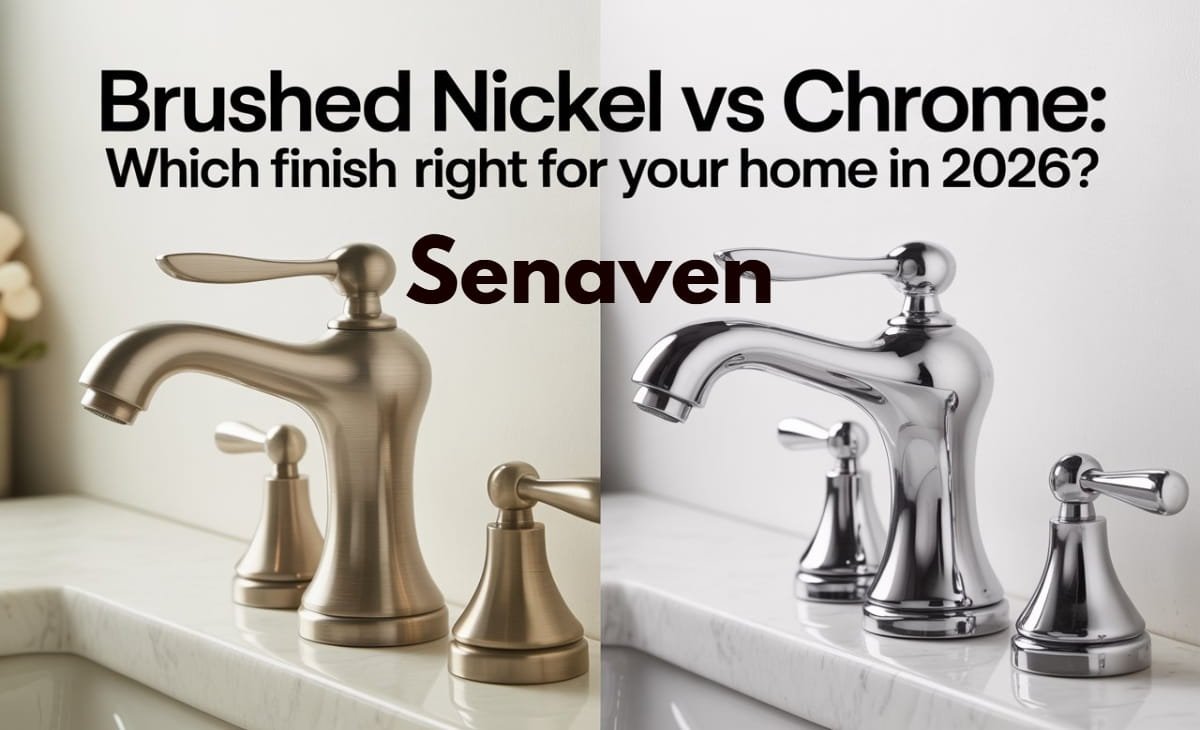
Brushed nickel is a nickel-plated finish that has been treated with fine brushing tools to create a soft, textured surface. Instead of reflecting light sharply, it diffuses it, resulting in a warm, satin-like appearance.
The tone is slightly warmer than chrome and stainless steel, which makes it especially compatible with neutral palettes, wood cabinetry, and transitional interiors. Because of its texture, minor fingerprints and smudges are less noticeable. It is commonly used for bathroom faucets, shower fixtures, cabinet handles, door hardware, and lighting accents.
What Is Chrome?
Chrome is created by coating metal fixtures with a thin layer of chromium. This produces a highly reflective, mirror-like finish with a cool, blue-toned shine.
It is especially popular in modern and minimalist interiors where brightness and contrast are design priorities. Chrome is typically more affordable than brushed finishes, which explains its widespread use in builder-grade homes and contemporary bathrooms. While attractive, its reflective surface makes water spots and fingerprints more visible.
Key Differences Homeowners Notice After Installation
Many comparison guides focus only on appearance, but real-world use reveals deeper differences. The most noticeable contrasts appear in daily maintenance, lighting behavior, and how the finish ages over time.
Chrome reflects both natural and artificial light sharply. In bright bathrooms, this can feel crisp and energetic. However, it also highlights every fingerprint, splash, and mineral deposit.
In contrast, brushed nickel offers a softer glow. It does not sparkle under lighting but instead creates a calm, understated look. Because of its textured surface, it hides small scratches better and requires less constant wiping.
Another important distinction is color temperature. Chrome has a cooler tone, while brushed nickel leans warmer. This subtle difference can affect how well fixtures blend with tile, cabinetry, and wall colors especially if you’re working with cool-toned neutrals like grey paint.
Pros and Cons Comparison
Advantages of Brushed Nickel
- Hides fingerprints and water spots better
- Offers a warmer, more versatile tone
- Minor scratches are less visible
- Tends to feel timeless rather than trendy
Advantages of Chrome
- Bright, high-shine appearance
- Usually more affordable
- Works well in ultra-modern designs
- Widely available across price ranges
Which One Works Best for Different Interior Styles?
Design compatibility plays a major role in this decision. In transitional, farmhouse, or contemporary homes with wood tones and warm lighting, brushed nickel tends to integrate more naturally. It complements beige, greige, cream, and natural textures without overwhelming the space.
Chrome, on the other hand, performs best in sleek environments with sharp lines and cool color palettes. If your bathroom features marble, white tile, or black accents, chrome can reinforce that clean, high-contrast look.
Lighting also matters. Warm LED bulbs enhance the softness of brushed nickel, while cool lighting amplifies chrome’s reflectivity. Always evaluate finishes under the actual lighting conditions of your home before committing.
Cost and Long-Term Value
In most markets, chrome fixtures are slightly less expensive because the finishing process is simpler. The price difference typically ranges from 10–20 percent depending on brand and design.
However, value is not only about initial cost. Maintenance time, longevity of appearance, and resale appeal all contribute to overall satisfaction.
Because brushed nickel tends to age more gracefully and hide wear, many homeowners consider it a longer-term investment. It rarely looks dated and generally appeals to a broader audience in resale situations.
Common Mistakes to Avoid
Frequent Errors Homeowners Make
- Mixing similar finishes from different brands, resulting in mismatched tones
- Choosing based only on showroom lighting instead of home lighting
- Ignoring local water quality, which affects maintenance needs
- Selecting the finish before finalizing tile and cabinet colors especially before properly choosing your kitchen cabinets
Avoiding these mistakes ensures a cohesive and practical outcome.
Maintenance and Cleaning Considerations
Maintenance requirements are often underestimated. Chrome demands more frequent wiping, especially in hard water areas. Mineral buildup is more noticeable and may require vinegar-based cleaning solutions to restore shine.
Brushed nickel requires gentler cleaning methods. A microfiber cloth with mild soap and water is usually sufficient. Abrasive cleaners should be avoided to preserve the protective coating.
One overlooked factor is water chemistry. In regions with high mineral content, brushed finishes typically remain visually cleaner between wipe-downs. This can significantly reduce maintenance stress in busy households.
Three Practical Insights Most Guides Miss
First, brand consistency matters more than many homeowners realize. Different manufacturers produce slightly different tones. Purchasing all fixtures from the same brand helps maintain visual harmony.
Second, lighting temperature dramatically changes perception. A finish that looks neutral in a showroom may appear warmer or cooler at home depending on bulb choice.
Third, resale psychology plays a role. Neutral, understated finishes are generally safer in long-term property value planning. While trends shift, brushed nickel has remained stable in the market for years.
Is Brushed Nickel Worth Choosing in 2026?
For homeowners seeking balance between style and practicality, the answer is yes. It delivers durability, subtle elegance, and easier maintenance compared to high-gloss alternatives.
That said, chrome remains an excellent option for bold, modern spaces where shine is part of the design language. The right choice ultimately depends on lighting, lifestyle, and how much daily maintenance you are willing to handle.
Expert Recommendation
When advising clients, I recommend evaluating finishes in three steps: compare samples in your actual lighting, consider your water quality, and think about long-term style rather than short-term trends.
Small hardware choices influence the overall impression of a space more than many expect. A thoughtful decision today prevents renovation regret tomorrow.
FAQs
Is brushed nickel outdated?
No. It remains one of the most consistently used finishes in residential design due to its versatility and neutral tone.
Does it rust easily?
Quality finishes resist corrosion, but harsh cleaners can damage protective coatings over time.
Can you mix it with chrome?
Yes, but one finish should dominate while the other acts as a deliberate accent.
Which hides fingerprints better?
Brushed finishes generally conceal smudges more effectively than polished surfaces.
Conclusion
Both chrome and brushed nickel are strong contenders for kitchens and bathrooms. Chrome delivers shine and bold contrast. Brushed nickel offers warmth, subtlety, and lower visible maintenance.
If you prefer timeless appeal with less day-to-day upkeep, brushed nickel is often the more forgiving and versatile option. Making the right choice now ensures your fixtures remain attractive and functional for years to come.